THE ADVENTURE COLLECTIVE® · Independent discovery and booking for outdoor travel

Dress as a samurai and walk Shibuya’s Dogenzaka and famous scramble for a two‑hour private photo session. Expect street and studio portraits, historical notes on armor, and an SD card full of dramatic images.
Dress as a samurai and walk Shibuya’s Dogenzaka and famous scramble for a two‑hour private photo session. Expect street and studio portraits, historical notes on armor, and an SD card full of dramatic images.
You step out from the studio into Dogenzaka wearing lacquered plates and a helmet; neon signs pulse above while the Shibuya Scramble moves like a river of people daring you to freeze time. The armor shapes your posture—broad shoulders, measured steps—and photographers guide poses against the crossroads, the Hachiko statue, and the station façade.
Verified experiences and guided adventures in the surrounding area.
Operated by Samurai Armor Photo Studio · Shibuya, Tokyo
You step out from the studio into Dogenzaka wearing lacquered plates and a helmet; neon signs pulse above while the Shibuya Scramble moves like a river of people daring you to freeze time. The armor shapes your posture—broad shoulders, measured steps—and photographers guide poses against the crossroads, the Hachiko statue, and the station façade.
Shibuya is a modern crossroads layered on older Edo routes; the samurai costume connects Tokyo’s feudal past to its frenetic present. Armor options echo historical schools—lamellar plates, kosode and hakama—while katanas and yari are installed for authentic silhouette, not combat. Photography alternates between candid street frames (about five poses, ~50 shots) and controlled studio lighting (~5 poses, ~100 shots) so you get both documentary grit and portrait polish.
Expect a two-hour private session that balances mobility and spectacle: walking short stretches on Dogenzaka and posing at the scramble, then returning indoors if rain closes the streets. Practicalities matter—tabi socks and hakama change how you walk; public transport to Shibuya Station is straightforward, and the Hachiko meeting point is a local landmark.
Bring comfortable underlayers, allow time for costume fitting, and be ready to follow photographers’ cues for movement and safety in crowded crosswalks. The experience is theatrical but grounded—an urban photo tour that teaches a little armor history, gives you strong visuals, and leaves you with an SD card of images that turn a city walk into a staged, cinematic moment.
easy.
2 hours.
Minimal fitness required—comfortable standing and short walks; suitable for most ages from 2+.
No—katana and yari are props; staff fit and handle weapons for safe posing and instruction.
Most meet near the Hachiko statue at Shibuya Station, accessible by multiple train and subway lines.
The provider moves to indoor studio shooting in case of rain so the session proceeds as scheduled.
Yes—options are offered and fitted on site, including kosode, hakama, and different armor types for looks and mobility.
Shibuya grew from Edo-era roads into a major transport hub; the Hachiko statue marks a 20th-century local story tied to loyalty and urban memory.
Stay mindful of public spaces—avoid obstructing foot traffic, respect local businesses, and take all props and trash with you to minimize impact.
Samurai Armor Photo Studio operates guided outdoor trips and adventures with an emphasis on safety, stewardship, and memorable experiences.
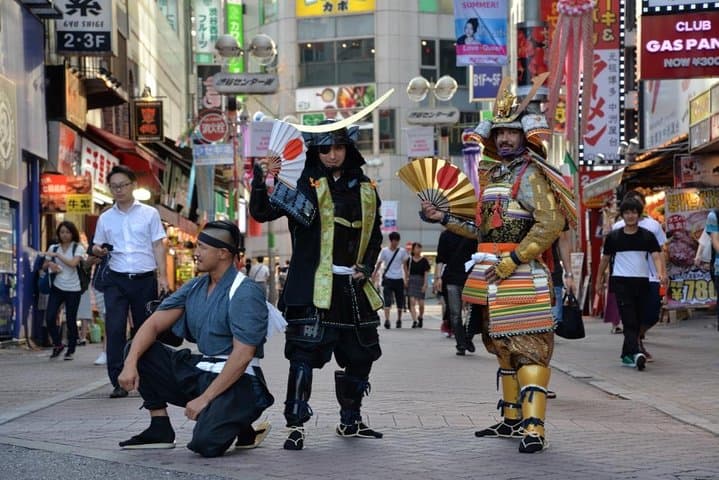
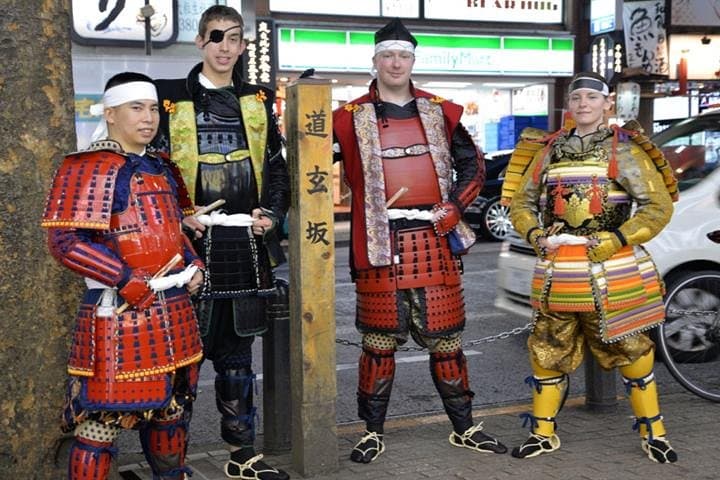
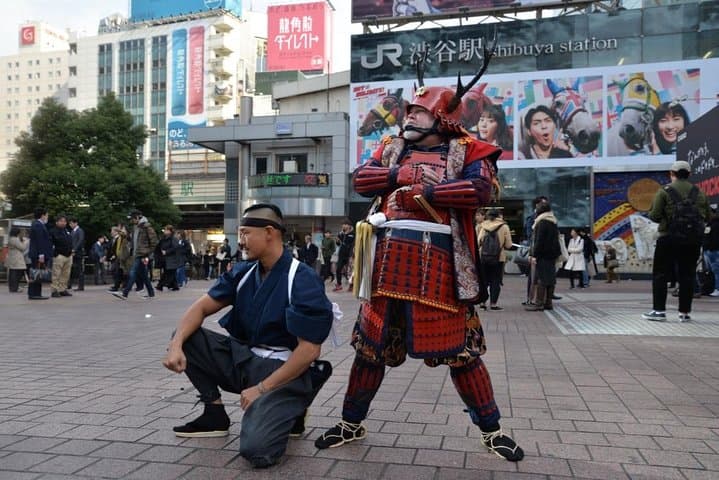
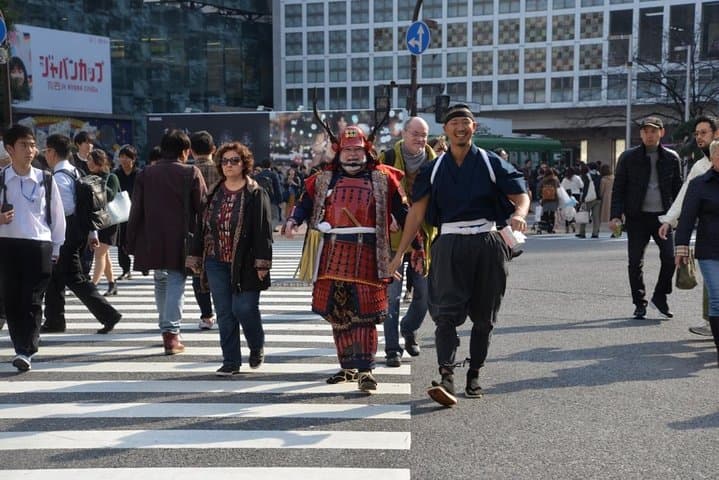
You step out from the studio into Dogenzaka wearing lacquered plates and a helmet; neon signs pulse above while the Shibuya Scramble moves like a river of people daring you to freeze time. The armor shapes your posture—broad shoulders, measured steps—and photographers guide poses against the crossroads, the Hachiko statue, and the station façade.
You step out from the studio into Dogenzaka wearing lacquered plates and a helmet; neon signs pulse above while the Shibuya Scramble moves like a river of people daring you to freeze time. The armor shapes your posture—broad shoulders, measured steps—and photographers guide poses against the crossroads, the Hachiko statue, and the station façade.
Shibuya is a modern crossroads layered on older Edo routes; the samurai costume connects Tokyo’s feudal past to its frenetic present. Armor options echo historical schools—lamellar plates, kosode and hakama—while katanas and yari are installed for authentic silhouette, not combat. Photography alternates between candid street frames (about five poses, ~50 shots) and controlled studio lighting (~5 poses, ~100 shots) so you get both documentary grit and portrait polish.
Expect a two-hour private session that balances mobility and spectacle: walking short stretches on Dogenzaka and posing at the scramble, then returning indoors if rain closes the streets. Practicalities matter—tabi socks and hakama change how you walk; public transport to Shibuya Station is straightforward, and the Hachiko meeting point is a local landmark.
Bring comfortable underlayers, allow time for costume fitting, and be ready to follow photographers’ cues for movement and safety in crowded crosswalks. The experience is theatrical but grounded—an urban photo tour that teaches a little armor history, gives you strong visuals, and leaves you with an SD card of images that turn a city walk into a staged, cinematic moment.