THE ADVENTURE COLLECTIVE® · Independent discovery and booking for outdoor travel

Don replica armor, learn basic sword movement, and photograph cinematic moments on the grounds of an excavated feudal retirement residence. This two-hour hands-on experience blends safe sword practice with historical context—no prior training needed.
Don replica armor, learn basic sword movement, and photograph cinematic moments on the grounds of an excavated feudal retirement residence. This two-hour hands-on experience blends safe sword practice with historical context—no prior training needed.
You step onto gravel that once led a feudal lord away from the bustle of the castle town. The air here is cool and slightly sweet with garden moss; wooden practice swords rest against a low bench like patient teachers. Within the preserved grounds of Sengoku no Niwa, the past presses close—no neon signs break the skyline, only earthen walls and clipped hedges framing each photograph.
Verified experiences and guided adventures in the surrounding area.
Operated by Oasa Mobility Station · Hiroshima, Hiroshima Prefecture
You step onto gravel that once led a feudal lord away from the bustle of the castle town. The air here is cool and slightly sweet with garden moss; wooden practice swords rest against a low bench like patient teachers. Within the preserved grounds of Sengoku no Niwa, the past presses close—no neon signs break the skyline, only earthen walls and clipped hedges framing each photograph.
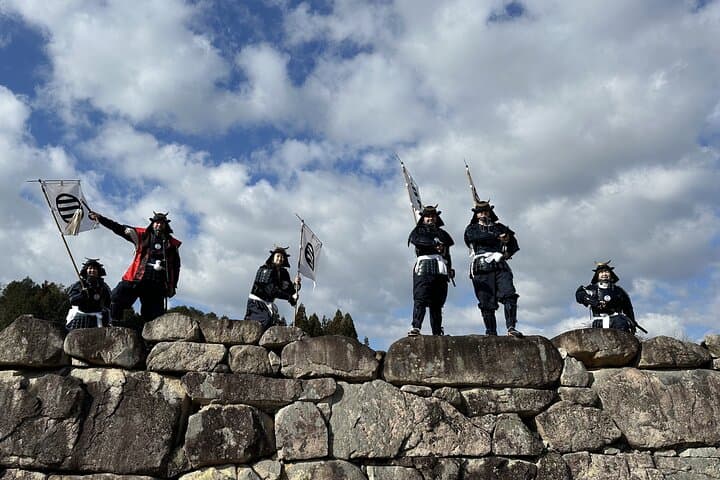
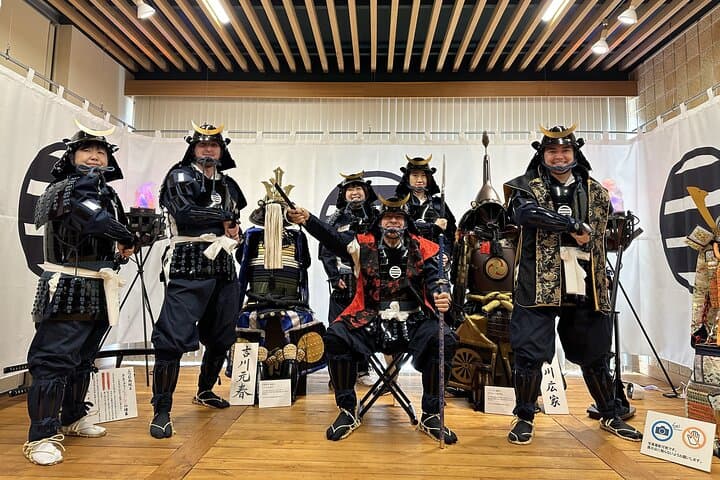
The site occupies the former retirement residence of a regional daimyo, excavated and interpreted to retain its late-feudal atmosphere. Armor styles reflect late Sengoku to early Edo influences: layered plates and lacquered trims reproduced for fit and mobility. Training borrows from iaido and basic kenjutsu principles—posture, grip, and measured movement—delivered with attention to safety using wooden bokken and unsharpened demonstration blades.
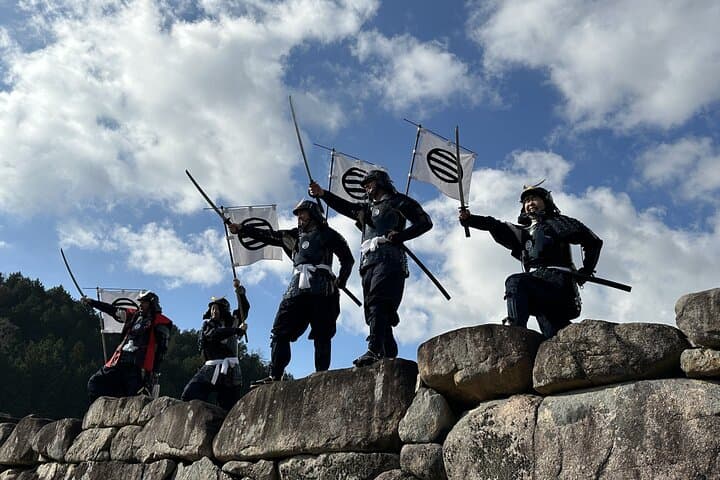
Cinematically simple, the location favors portrait-style photography: low-slung helmets, sweeping cloaks, and the pause between motions where control shows. Guides offer hands-on fitting, instruction in a handful of kata, and staged posing tips so your images read like a still from history rather than a costume party.
Practicalities: the experience runs about two hours, suitable for most fitness levels, and requires modest mobility more than martial training. Wear clothing you can move in beneath the armor and bring a camera with spare battery—lighting in indoor museum spaces can be dim. Expect brief outdoor segments across compact, uneven grounds; steady footing matters. If you’re traveling in a group, plan transport in advance—the site is preserved and access may involve a short walk from the nearest drop-off. Respect the artifacts, follow the guide’s safety brief, and you’ll leave with sharp photos and a tactile sense of samurai discipline.
easy.
2 hours.
Suitable for participants with basic mobility—standing, turning, and light walking required
No—sessions are designed for beginners and focus on basic movement, posture, and safe handling with wooden or unsharpened demonstration blades.
No—training uses wooden bokken and unsharpened iaido-style blades; demonstrations with metal blades are non-cutting and supervised.
Yes—participants are encouraged to photograph and video their session; guides may offer posing suggestions but do not charge extra for photos.
Age requirements vary; children who can follow safety instructions and fit into the provided armor may participate, but check the booking rules and listed age bands.
The venue occupies the former retirement residence of a regional feudal lord; archaeological work preserved garden layouts and foundation lines to convey its historical footprint.
The site balances visitor access with preservation—follow posted routes, avoid touching reconstructed elements, and respect photography rules to minimize wear.
Oasa Mobility Station operates guided outdoor trips and adventures with an emphasis on safety, stewardship, and memorable experiences.
You step onto gravel that once led a feudal lord away from the bustle of the castle town. The air here is cool and slightly sweet with garden moss; wooden practice swords rest against a low bench like patient teachers. Within the preserved grounds of Sengoku no Niwa, the past presses close—no neon signs break the skyline, only earthen walls and clipped hedges framing each photograph.
You step onto gravel that once led a feudal lord away from the bustle of the castle town. The air here is cool and slightly sweet with garden moss; wooden practice swords rest against a low bench like patient teachers. Within the preserved grounds of Sengoku no Niwa, the past presses close—no neon signs break the skyline, only earthen walls and clipped hedges framing each photograph.
The site occupies the former retirement residence of a regional daimyo, excavated and interpreted to retain its late-feudal atmosphere. Armor styles reflect late Sengoku to early Edo influences: layered plates and lacquered trims reproduced for fit and mobility. Training borrows from iaido and basic kenjutsu principles—posture, grip, and measured movement—delivered with attention to safety using wooden bokken and unsharpened demonstration blades.
Cinematically simple, the location favors portrait-style photography: low-slung helmets, sweeping cloaks, and the pause between motions where control shows. Guides offer hands-on fitting, instruction in a handful of kata, and staged posing tips so your images read like a still from history rather than a costume party.
Practicalities: the experience runs about two hours, suitable for most fitness levels, and requires modest mobility more than martial training. Wear clothing you can move in beneath the armor and bring a camera with spare battery—lighting in indoor museum spaces can be dim. Expect brief outdoor segments across compact, uneven grounds; steady footing matters. If you’re traveling in a group, plan transport in advance—the site is preserved and access may involve a short walk from the nearest drop-off. Respect the artifacts, follow the guide’s safety brief, and you’ll leave with sharp photos and a tactile sense of samurai discipline.