THE ADVENTURE COLLECTIVE® · Independent discovery and booking for outdoor travel

Step into an Osaka dojo for a two-hour Kendo session that pairs hands-on sword practice with a small samurai museum. Learn etiquette, don protective armor, and strike with a bamboo shinai while an instructor explains Kendo history and technique.
Step into an Osaka dojo for a two-hour Kendo session that pairs hands-on sword practice with a small samurai museum. Learn etiquette, don protective armor, and strike with a bamboo shinai while an instructor explains Kendo history and technique.
A cool wooden floor greets participants as the city hums beyond the dojo’s sliding doors; sunlight cuts across rows of polished armor and a display of iron tsuba. In this two-hour session in central Osaka, visitors step into a functioning dojo that doubles as a small samurai museum, swapping street shoes for the quiet ritual of Reiho and experimental strikes with a shinai.
Verified experiences and guided adventures in the surrounding area.
Operated by Samurai Training Experience KENDO in Osaka · Osaka, Osaka Prefecture
A cool wooden floor greets participants as the city hums beyond the dojo’s sliding doors; sunlight cuts across rows of polished armor and a display of iron tsuba. In this two-hour session in central Osaka, visitors step into a functioning dojo that doubles as a small samurai museum, swapping street shoes for the quiet ritual of Reiho and experimental strikes with a shinai.
Kendo evolved from kenjutsu schools in feudal Japan and was codified in the late 19th and early 20th centuries as a modern martial art. Osaka sits on a low alluvial plain near Osaka Bay — flat ground that historically made the region a transport and mercantile hub, where samurai culture mixed with urban trade. The dojo’s artifacts trace that shift: armor, practice swords, and calligraphy that reference Bushido ideals adapted for sport.
Expect a short history briefing, etiquette instruction, dressing into dogi/hakama and protective bogu, followed by partner drills and controlled matches. The instructor emphasizes respect, timing, and target accuracy over force — Kendo rewards precision. Photography with props is allowed; changing rooms, showers, and climate control are on site.
Practical guidance: arrive 10–15 minutes early, bring a water bottle, wear light, secure clothing under the uniform, and disclose health issues in advance. The activity is suitable for most fitness levels but requires basic mobility and no serious spine, heart, or pregnancy restrictions. Public transit access makes this a convenient cultural workout in Osaka, blending hands-on practice with curated museum context.
easy.
2 hours.
Suitable for most adults with basic mobility; light cardio and stability recommended
No; the session is designed for beginners through experienced practitioners with instruction tailored to ability.
Yes; dogi/hakama and full kendo protective armor (men, kote, do, tare) and shinai are provided as part of the experience.
English instruction is provided; the lead instructor is a native of Osaka and can explain history and technique in English.
Young children (3–5) can take photos and change clothes but drills are adjusted; full striking practice is best for older children who can follow safety rules.
Kendo modernized from samurai kenjutsu in the Meiji era as schools sought to preserve sword traditions in a changing society.
Dojo culture emphasizes respect for equipment and artifacts — handle props only when permitted, and follow signs to protect historical pieces.
Samurai Training Experience KENDO in Osaka operates guided outdoor trips and adventures with an emphasis on safety, stewardship, and memorable experiences.
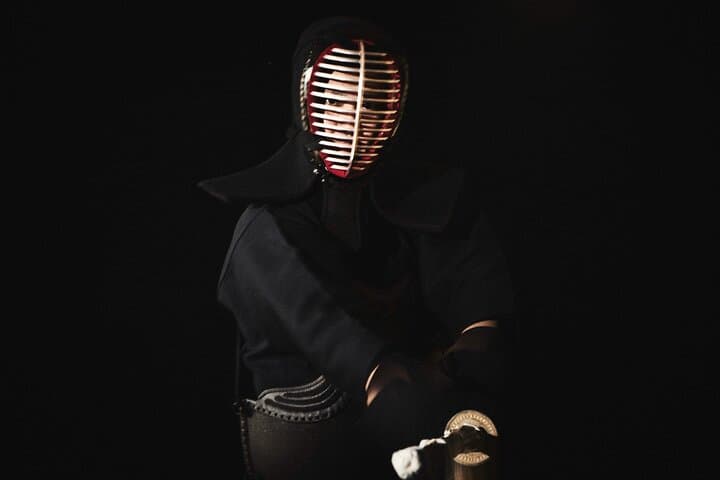
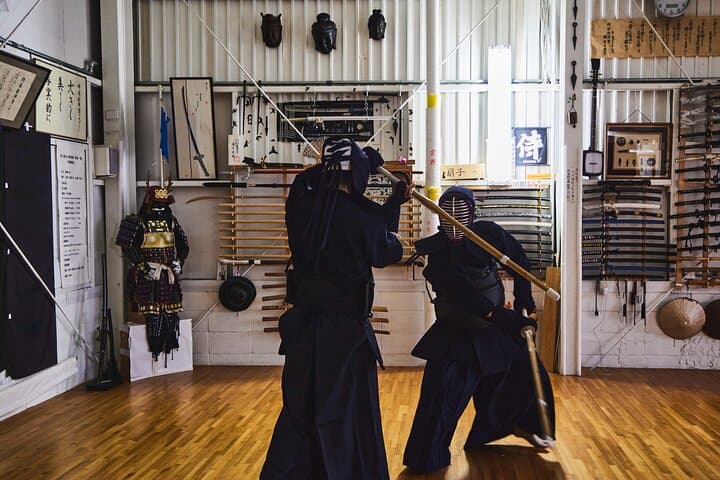
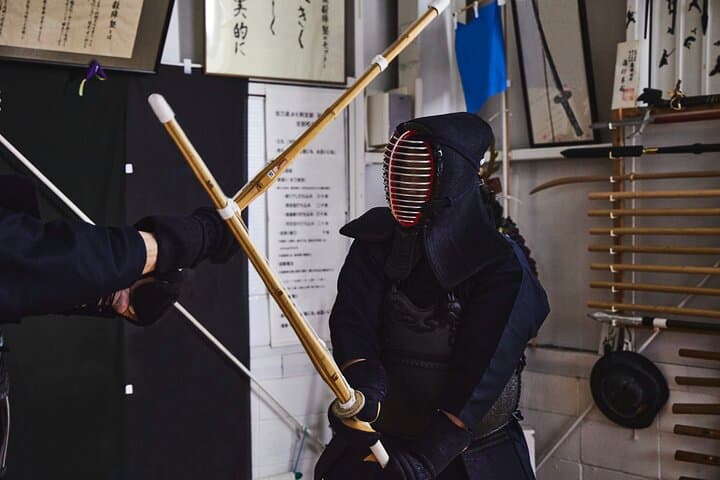
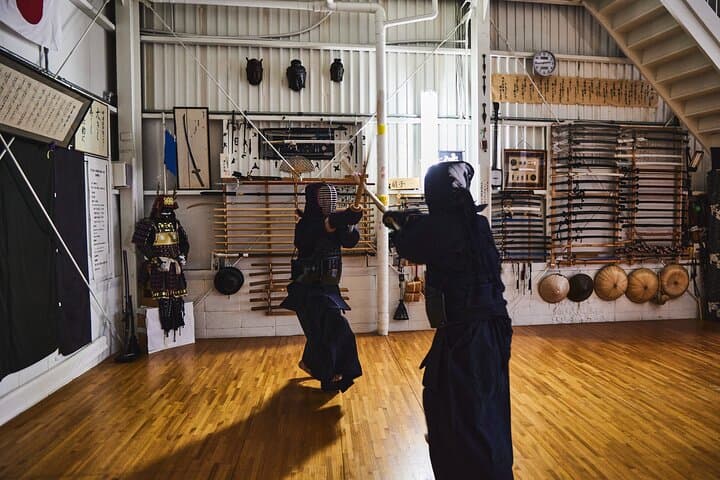
A cool wooden floor greets participants as the city hums beyond the dojo’s sliding doors; sunlight cuts across rows of polished armor and a display of iron tsuba. In this two-hour session in central Osaka, visitors step into a functioning dojo that doubles as a small samurai museum, swapping street shoes for the quiet ritual of Reiho and experimental strikes with a shinai.
A cool wooden floor greets participants as the city hums beyond the dojo’s sliding doors; sunlight cuts across rows of polished armor and a display of iron tsuba. In this two-hour session in central Osaka, visitors step into a functioning dojo that doubles as a small samurai museum, swapping street shoes for the quiet ritual of Reiho and experimental strikes with a shinai.
Kendo evolved from kenjutsu schools in feudal Japan and was codified in the late 19th and early 20th centuries as a modern martial art. Osaka sits on a low alluvial plain near Osaka Bay — flat ground that historically made the region a transport and mercantile hub, where samurai culture mixed with urban trade. The dojo’s artifacts trace that shift: armor, practice swords, and calligraphy that reference Bushido ideals adapted for sport.
Expect a short history briefing, etiquette instruction, dressing into dogi/hakama and protective bogu, followed by partner drills and controlled matches. The instructor emphasizes respect, timing, and target accuracy over force — Kendo rewards precision. Photography with props is allowed; changing rooms, showers, and climate control are on site.
Practical guidance: arrive 10–15 minutes early, bring a water bottle, wear light, secure clothing under the uniform, and disclose health issues in advance. The activity is suitable for most fitness levels but requires basic mobility and no serious spine, heart, or pregnancy restrictions. Public transit access makes this a convenient cultural workout in Osaka, blending hands-on practice with curated museum context.