THE ADVENTURE COLLECTIVE® · Independent discovery and booking for outdoor travel

Learn Iaido in a Tokyo dojo where etiquette and technique come before striking. This 90‑minute workshop teaches the discipline behind the sword, with optional tatami cutting and a master’s demonstration.
Learn Iaido in a Tokyo dojo where etiquette and technique come before striking. This 90‑minute workshop teaches the discipline behind the sword, with optional tatami cutting and a master’s demonstration.
The tatami shifts under soft fluorescent light and the sword waits like a question. In a compact Tokyo dojo, participants change into hakama and kimono, the fabric whispering as they bow to the master and the blade. The first lesson is not about aggression but restraint: etiquette toward the sword, posture, and the quiet discipline that turns motion into intent.
Verified experiences and guided adventures in the surrounding area.
Operated by Arumachi · Tokyo, Tokyo
The tatami shifts under soft fluorescent light and the sword waits like a question. In a compact Tokyo dojo, participants change into hakama and kimono, the fabric whispering as they bow to the master and the blade. The first lesson is not about aggression but restraint: etiquette toward the sword, posture, and the quiet discipline that turns motion into intent.
This workshop places Iaido — the art of drawing and sheathing the sword — in the long sweep of Japanese history. Samurai culture helped shape Tokugawa-era social order that lasted until the Meiji Restoration in the late 19th century; the practice you encounter is both martial training and ritualized behavior. Tokyo itself sits on the Kanto Plain, an urban grid layered over centuries of shifting governance; today the city’s modernity frames this older code rather than replacing it.
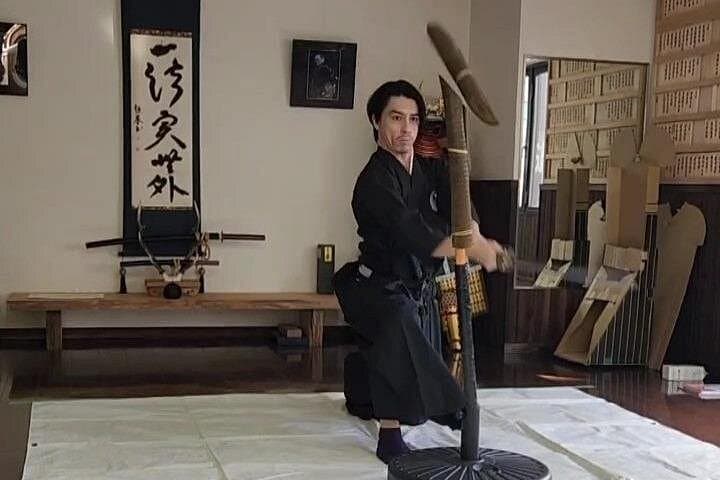
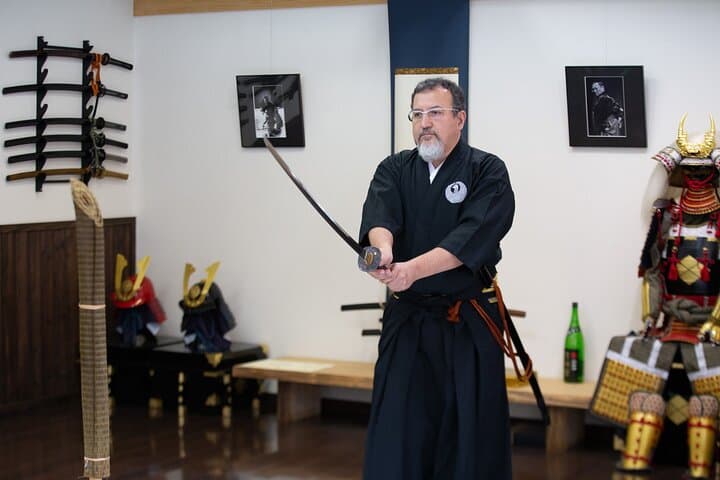
Practical instruction covers posture, footwork, and a controlled solo kata; participants watch a master demonstration up close and are offered staged cutting exercises — man-shaped cardboard and, for those who opt in and meet requirements, a rolled tatami mat with a real sword. The session runs about 90 minutes, includes samurai attire and photos, and ends with a certificate of completion. Travelers should be ready to sign a waiver, follow strict safety directions, and note age and health restrictions for the real-sword option.
Book morning slots for clearer demonstrations and cooler temperatures. Move deliberately, respect the dojo protocol, keep hands relaxed on the tsuka, and let the practice reframe what strength really demands.
moderate.
1–1.5 hours.
Participants should have moderate fitness and basic coordination—standing, bending, and controlled repetitive movement are required.
The session is approximately 90 minutes, including changing into attire, instruction, demonstrations, and a closing certificate presentation.
Participants 18+ who sign a waiver and follow the master’s instructions may take the real-sword option for specific cutting exercises; medical and physical conditions may disqualify you.
No—this workshop is designed for beginners; the master teaches basic posture, etiquette, and safe handling before any cutting practice.
Yes—photos are typically allowed before and after practice while wearing samurai attire; follow the dojo’s rules and the instructor’s guidance during demonstrations.
Iaido and samurai etiquette originate from systems of discipline refined during the feudal period and were central to samurai culture through the Tokugawa era and into the Meiji Restoration.
Dojo operators emphasize respectful handling of swords and attire and limit hazardous practices; follow instructions to minimize wear on traditional equipment and support sustainable cultural tourism.
Arumachi operates guided outdoor trips and adventures with an emphasis on safety, stewardship, and memorable experiences.
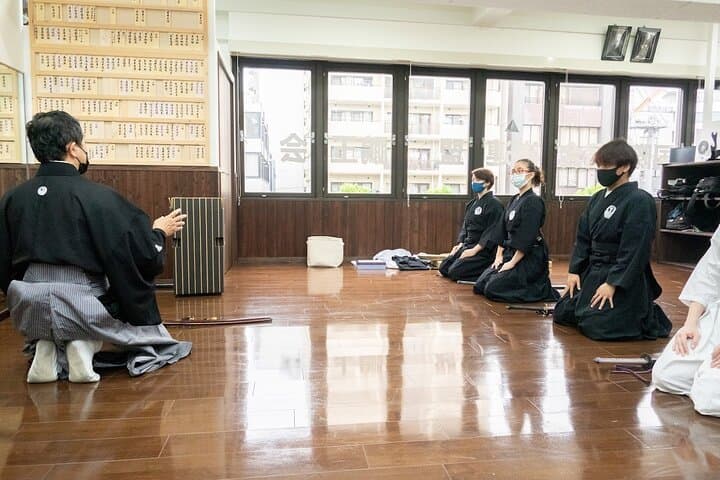
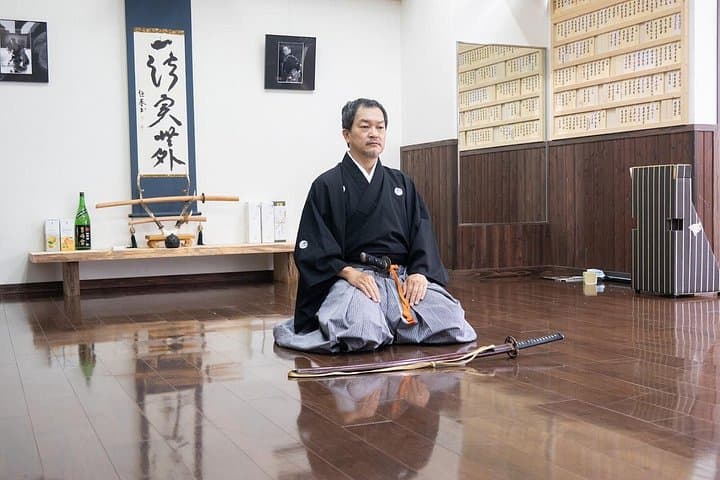
The tatami shifts under soft fluorescent light and the sword waits like a question. In a compact Tokyo dojo, participants change into hakama and kimono, the fabric whispering as they bow to the master and the blade. The first lesson is not about aggression but restraint: etiquette toward the sword, posture, and the quiet discipline that turns motion into intent.
The tatami shifts under soft fluorescent light and the sword waits like a question. In a compact Tokyo dojo, participants change into hakama and kimono, the fabric whispering as they bow to the master and the blade. The first lesson is not about aggression but restraint: etiquette toward the sword, posture, and the quiet discipline that turns motion into intent.
This workshop places Iaido — the art of drawing and sheathing the sword — in the long sweep of Japanese history. Samurai culture helped shape Tokugawa-era social order that lasted until the Meiji Restoration in the late 19th century; the practice you encounter is both martial training and ritualized behavior. Tokyo itself sits on the Kanto Plain, an urban grid layered over centuries of shifting governance; today the city’s modernity frames this older code rather than replacing it.
Practical instruction covers posture, footwork, and a controlled solo kata; participants watch a master demonstration up close and are offered staged cutting exercises — man-shaped cardboard and, for those who opt in and meet requirements, a rolled tatami mat with a real sword. The session runs about 90 minutes, includes samurai attire and photos, and ends with a certificate of completion. Travelers should be ready to sign a waiver, follow strict safety directions, and note age and health restrictions for the real-sword option.
Book morning slots for clearer demonstrations and cooler temperatures. Move deliberately, respect the dojo protocol, keep hands relaxed on the tsuka, and let the practice reframe what strength really demands.