THE ADVENTURE COLLECTIVE® · Independent discovery and booking for outdoor travel

Ride through former samurai districts, harvest mushrooms by hand, then grill your finds at a rural BBQ. This full-day e-bike tour around Sakura and Inbanuma pairs local history with hands-on farming for a relaxed taste of rural Japan.
Ride through former samurai districts, harvest mushrooms by hand, then grill your finds at a rural BBQ. This full-day e-bike tour around Sakura and Inbanuma pairs local history with hands-on farming for a relaxed taste of rural Japan.
A cool morning air meets the soft whirr of an electric-assisted bicycle as you step out of Keisei Sakura Station. Pedaling through narrow lanes, former samurai residences rise with wooden facades and clipped hedges; the town moves at a human pace and the countryside invites you to slow down.
Verified experiences and guided adventures in the surrounding area.
Operated by ORU Trip · Sakura, Chiba
A cool morning air meets the soft whirr of an electric-assisted bicycle as you step out of Keisei Sakura Station. Pedaling through narrow lanes, former samurai residences rise with wooden facades and clipped hedges; the town moves at a human pace and the countryside invites you to slow down.
Sakura’s streets reflect Edo-period planning — compact samurai districts clustered near the castle park — while the low, flat plains around Inbanuma are the product of river and marshland geology that shaped rice paddies and windmill-studded horizons. Local culture here is practical and seasonal: farmers tend small plots, and mushroom cultivation blends traditional techniques with modern farm management.
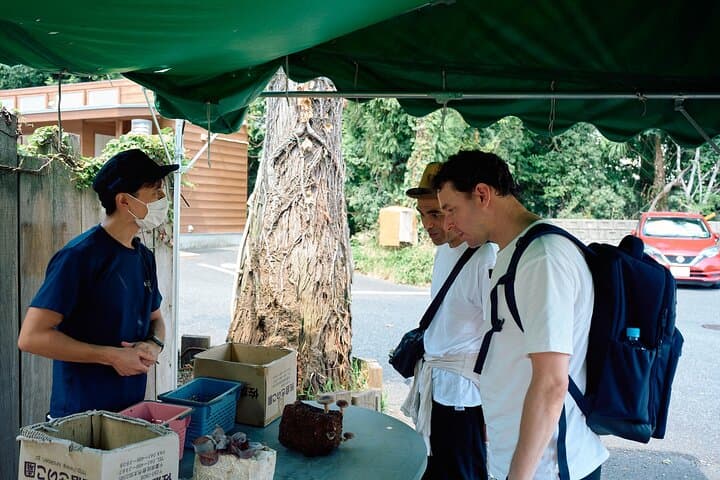
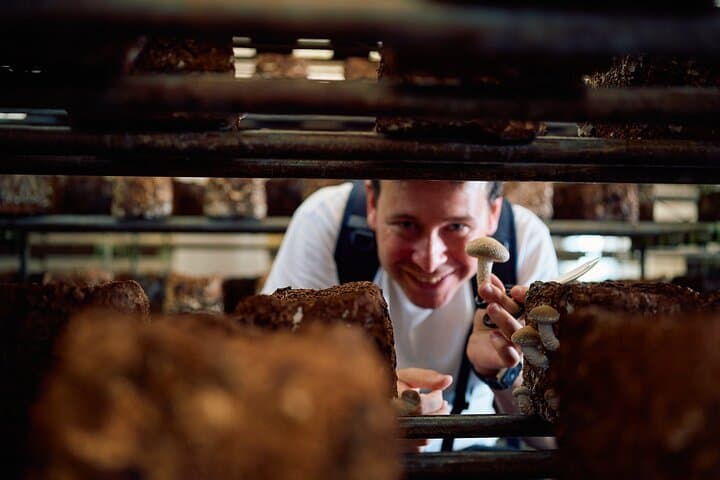
The farm visit is hands-on: you harvest shiitake or bunashimeji depending on season, then fire up a communal BBQ to taste what you picked. Afternoon cycling follows quiet country roads and lakeside paths where reeds edge the water and kingfishers dart, pushing you to keep moving.
Practical guidance: the route is mostly flat and suitable for riders with basic bike comfort; electric-assist reduces strain but expect several hours in the saddle. Bring cash for BBQ ingredients, a refillable water bottle, and sun protection. Aim to start early to avoid midday heat and to catch softer light for photos of samurai alleys and windmill views.
This experience balances history, agriculture, and relaxed riding — an easy, sensory way to understand rural Chiba without rushing from landmark to landmark.
easy.
6–7 hours.
Light to moderate: suitable for people comfortable sitting and pedaling for several hours; electric assist reduces exertion.
Basic bike-riding ability is required; electric assist helps with hills and distance, but you should be comfortable mounting, dismounting, and balancing.
BBQ facility fees and farm admission are included, but ingredients for the BBQ and drinks are purchased on-site after harvesting.
The tour is family-friendly and marketed as suitable for all fitness levels, but participants should be able to ride a bike for several hours; check age limits with the operator.
The operator’s cancellation policy allows refunds if you cancel 24 hours in advance; the tour runs rain-or-shine unless the provider cancels for safety reasons.
Sakura grew as a castle town during the Edo period with samurai residences clustered close to Sakura Castle Park; the area’s layout still reflects that heritage.
Respect farm rules when harvesting and avoid disturbing cultivated beds; stick to designated paths around Inbanuma to protect wetland reed beds and bird habitat.
ORU Trip operates guided outdoor trips and adventures with an emphasis on safety, stewardship, and memorable experiences.
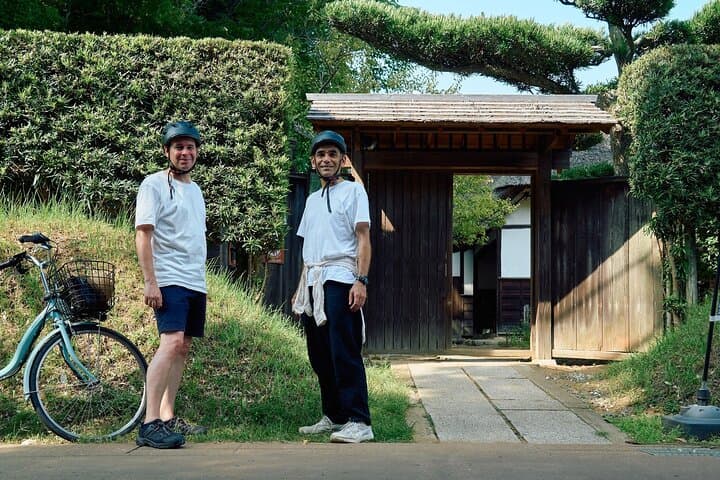
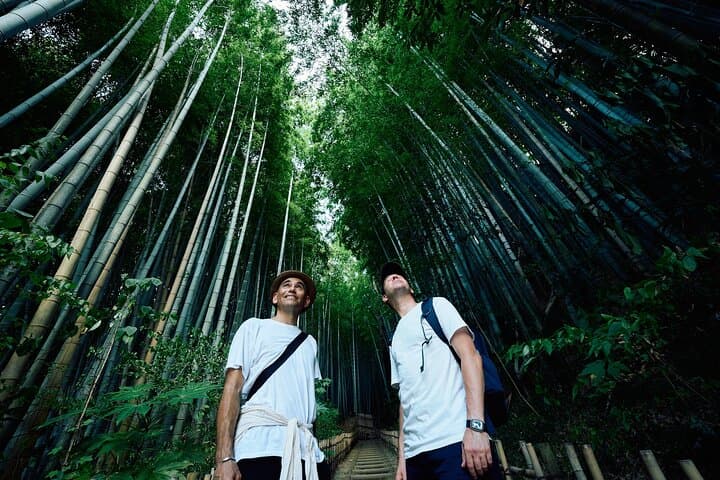
A cool morning air meets the soft whirr of an electric-assisted bicycle as you step out of Keisei Sakura Station. Pedaling through narrow lanes, former samurai residences rise with wooden facades and clipped hedges; the town moves at a human pace and the countryside invites you to slow down.
A cool morning air meets the soft whirr of an electric-assisted bicycle as you step out of Keisei Sakura Station. Pedaling through narrow lanes, former samurai residences rise with wooden facades and clipped hedges; the town moves at a human pace and the countryside invites you to slow down.
Sakura’s streets reflect Edo-period planning — compact samurai districts clustered near the castle park — while the low, flat plains around Inbanuma are the product of river and marshland geology that shaped rice paddies and windmill-studded horizons. Local culture here is practical and seasonal: farmers tend small plots, and mushroom cultivation blends traditional techniques with modern farm management.
The farm visit is hands-on: you harvest shiitake or bunashimeji depending on season, then fire up a communal BBQ to taste what you picked. Afternoon cycling follows quiet country roads and lakeside paths where reeds edge the water and kingfishers dart, pushing you to keep moving.
Practical guidance: the route is mostly flat and suitable for riders with basic bike comfort; electric-assist reduces strain but expect several hours in the saddle. Bring cash for BBQ ingredients, a refillable water bottle, and sun protection. Aim to start early to avoid midday heat and to catch softer light for photos of samurai alleys and windmill views.
This experience balances history, agriculture, and relaxed riding — an easy, sensory way to understand rural Chiba without rushing from landmark to landmark.