THE ADVENTURE COLLECTIVE® · Independent discovery and booking for outdoor travel

Spend a humane half-day with rescued elephants on Koh Samui, observing their natural behaviors and learning about rehabilitation efforts. This guided visit emphasizes welfare—no rides or performances—and includes hotel pickup and a vegetarian meal.
Spend a humane half-day with rescued elephants on Koh Samui, observing their natural behaviors and learning about rehabilitation efforts. This guided visit emphasizes welfare—no rides or performances—and includes hotel pickup and a vegetarian meal.
You arrive by a shaded service vehicle and the air changes—leaf litter, humid soil, a distant trumpet. The sanctuary opens into a broad enclosure where elephants move with slow purpose, foraging along traces of ancient jungle and cooling in small mud baths. Guides stand back to explain behavior; mahouts work quietly, letting the animals set the pace.
Verified experiences and guided adventures in the surrounding area.
Operated by Backpacker Samui Travel · Bophut, Surat Thani
You arrive by a shaded service vehicle and the air changes—leaf litter, humid soil, a distant trumpet. The sanctuary opens into a broad enclosure where elephants move with slow purpose, foraging along traces of ancient jungle and cooling in small mud baths. Guides stand back to explain behavior; mahouts work quietly, letting the animals set the pace.
Koh Samui’s elephants are part of a long Thai history in which elephants served labor, war, and ceremony. Geologically the island’s hilly interior is old granite and sandstone, carved into creeks and ridgelines that create the shaded corridors these animals prefer. Culturally, the site taps local respect for pachyderms while rejecting the tourist practices that once exploited them.
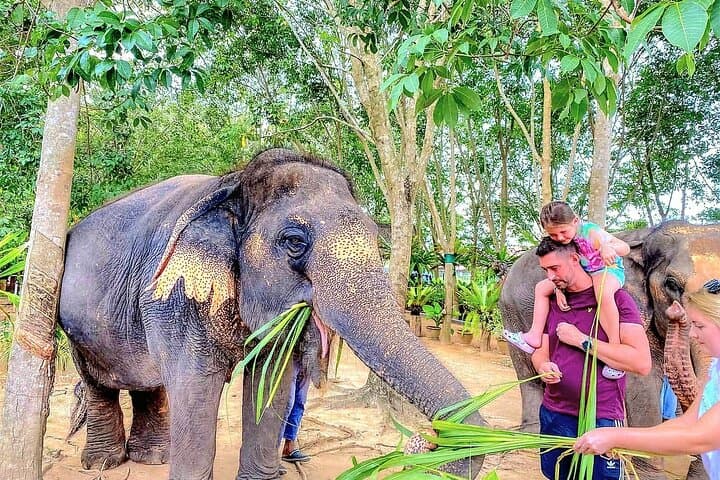
Expect an educational, hands-off program: observation, a guided talk about behavior and rescue histories, watching mud baths and forage, then a vegetarian meal served on-site. The day moves deliberately—no riding, no performances—focused on welfare and rehabilitation.
Practical notes: wear breathable clothes you don’t mind getting dusty, closed-toe shoes for soft trails, and bring refillable water. Mornings are cooler and the animals are more active; midday can be humid and quieter. Photography is welcome but follow guide boundaries; keep a calm voice and no sudden movements. The sanctuary provides transport from major hotel areas on Koh Samui, basic snacks, and insurance, making this a straightforward half-day visit that combines wildlife viewing with conservation education.
easy.
3 hours.
Suitable for most fitness levels; involves short walks on uneven, sometimes muddy ground and standing during talks
No—this sanctuary follows an ethical, non-riding policy focused on rehabilitation and natural behavior observation.
Yes, hotel pickup and drop-off from major Koh Samui hotel zones is included in the standard program.
Children are welcome but infants must sit on an adult’s lap; activities require cautious supervision and follow guide rules.
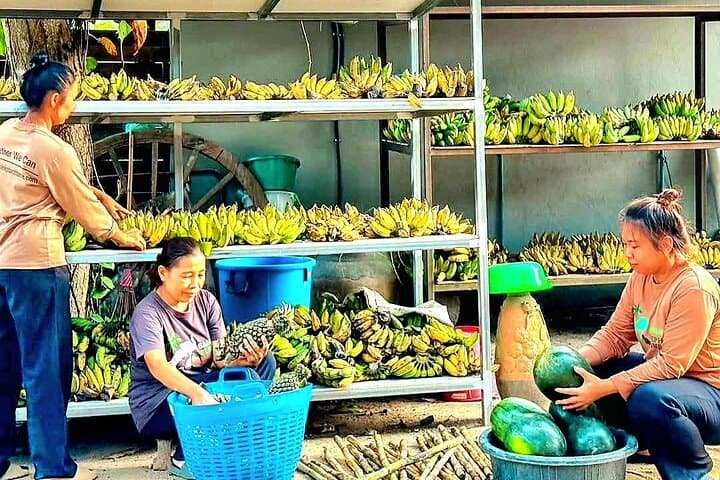
The program includes a vegetarian meal and snacks—local dishes tailored for the group with options for common dietary needs when requested.
Elephants have long been part of Thai life as working animals and cultural symbols; recent decades brought a rise in rescue sanctuaries focused on ending riding and performance practices.
The sanctuary prioritizes non-exploitative tourism and rehabilitation; visitors support ongoing rescue work, but should avoid interactions that encourage unnatural behaviors.
Backpacker Samui Travel operates guided outdoor trips and adventures with an emphasis on safety, stewardship, and memorable experiences.
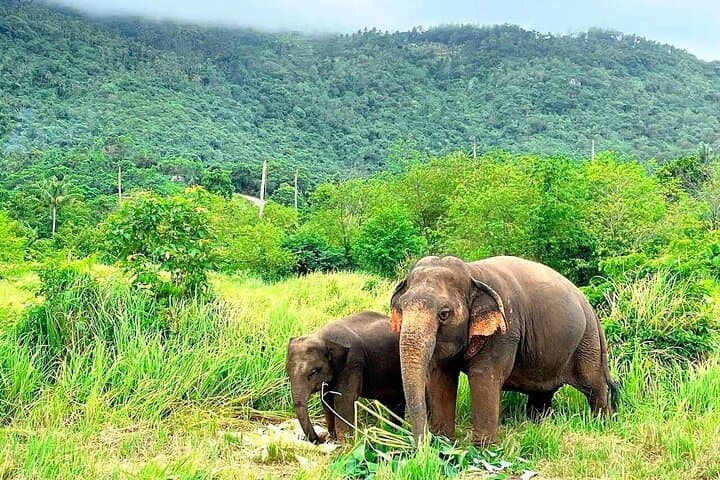
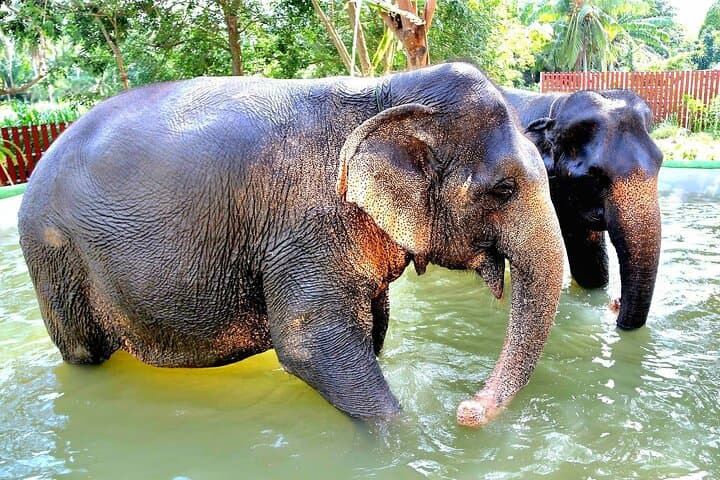
You arrive by a shaded service vehicle and the air changes—leaf litter, humid soil, a distant trumpet. The sanctuary opens into a broad enclosure where elephants move with slow purpose, foraging along traces of ancient jungle and cooling in small mud baths. Guides stand back to explain behavior; mahouts work quietly, letting the animals set the pace.
You arrive by a shaded service vehicle and the air changes—leaf litter, humid soil, a distant trumpet. The sanctuary opens into a broad enclosure where elephants move with slow purpose, foraging along traces of ancient jungle and cooling in small mud baths. Guides stand back to explain behavior; mahouts work quietly, letting the animals set the pace.
Koh Samui’s elephants are part of a long Thai history in which elephants served labor, war, and ceremony. Geologically the island’s hilly interior is old granite and sandstone, carved into creeks and ridgelines that create the shaded corridors these animals prefer. Culturally, the site taps local respect for pachyderms while rejecting the tourist practices that once exploited them.
Expect an educational, hands-off program: observation, a guided talk about behavior and rescue histories, watching mud baths and forage, then a vegetarian meal served on-site. The day moves deliberately—no riding, no performances—focused on welfare and rehabilitation.
Practical notes: wear breathable clothes you don’t mind getting dusty, closed-toe shoes for soft trails, and bring refillable water. Mornings are cooler and the animals are more active; midday can be humid and quieter. Photography is welcome but follow guide boundaries; keep a calm voice and no sudden movements. The sanctuary provides transport from major hotel areas on Koh Samui, basic snacks, and insurance, making this a straightforward half-day visit that combines wildlife viewing with conservation education.