THE ADVENTURE COLLECTIVE® · Independent discovery and booking for outdoor travel

Spend half a day sampling Grenada’s highlights: panoramic fort views, a bustling spice market, bean-to-bar chocolate, and rum tastings. This guided tour blends history, local production, and coastal scenery into one accessible experience.
Spend half a day sampling Grenada’s highlights: panoramic fort views, a bustling spice market, bean-to-bar chocolate, and rum tastings. This guided tour blends history, local production, and coastal scenery into one accessible experience.
A warm trade wind carries the scent of nutmeg and sea salt as the minivan threads down coastal roads toward St. George’s. Visitors disembark at Fort Frederick, where low stone walls and stepped embrasures push you toward sweeping views of Grand Anse Beach and the Carenage’s clustered boats. The day moves at a steady, human pace: bright market stalls, the hum of vendors, and the concentrated aroma of cocoa at the Chocolate Museum.
Verified experiences and guided adventures in the surrounding area.
Operated by Caribbean Horizon Tours · St. George's, Saint George
A warm trade wind carries the scent of nutmeg and sea salt as the minivan threads down coastal roads toward St. George’s. Visitors disembark at Fort Frederick, where low stone walls and stepped embrasures push you toward sweeping views of Grand Anse Beach and the Carenage’s clustered boats. The day moves at a steady, human pace: bright market stalls, the hum of vendors, and the concentrated aroma of cocoa at the Chocolate Museum.
Grenada’s shoreline and hills reflect a layered history of colonial forts, fishing villages and plantation agriculture. Geologically, the island is volcanic — ridgelines fall steeply to sheltered bays where traditional fishing boats bob beside modern yachts. Culturally, this is the Spice Isle: nutmeg, cocoa and rum are not just souvenirs but ongoing livelihoods; factories like De La Grenade and local distilleries show how those crops become syrups, jams and spirits.
Practical guidance is straightforward. Expect several short walks on cobbles and uneven steps (Fort Frederick has exposed stonework). Bring local currency or small notes for market purchases, and allow four to five hours for a comprehensive sampler. Tastings and factory visits offer seated demonstrations but may include standing and brief stairs. Hydrate before midday sun, wear breathable shoes for market aisles, and keep a small daypack for purchases and sunscreen.
This guided circuit is a compact introduction: part history, part culinary field trip, and part coastal sightseeing — ideal for travelers who want a layered snapshot of Grenada without intensive hiking or long transfers.
easy.
4–5 hours.
Suitable for most fitness levels; expect light walking, standing during demos, and short flights of stairs.
Yes — the tour includes hotel and cruise port pickup and drop-off; cruise passengers must provide ship and docking details when booking.
Tastings at the Chocolate Museum and Grenada Distillers and admissions listed in the itinerary are typically included; check your booking details for specific inclusions.
The operator lists the tour as wheelchair accessible, though historic sites like Fort Frederick have uneven surfaces; notify the provider of mobility needs in advance.
Eastern Caribbean dollars (XCD) and US dollars are commonly accepted; small denominations are useful at the market, and cards may work at larger vendors.
Fort Frederick is a colonial-era fortification overlooking St. George’s that historically served as a defensive battery and observation post.
Support local producers by buying directly from small vendors and avoid single-use plastics; Grenada promotes sustainable fishing and agricultural practices to protect coastal and plantation ecosystems.
Caribbean Horizon Tours operates guided outdoor trips and adventures with an emphasis on safety, stewardship, and memorable experiences.
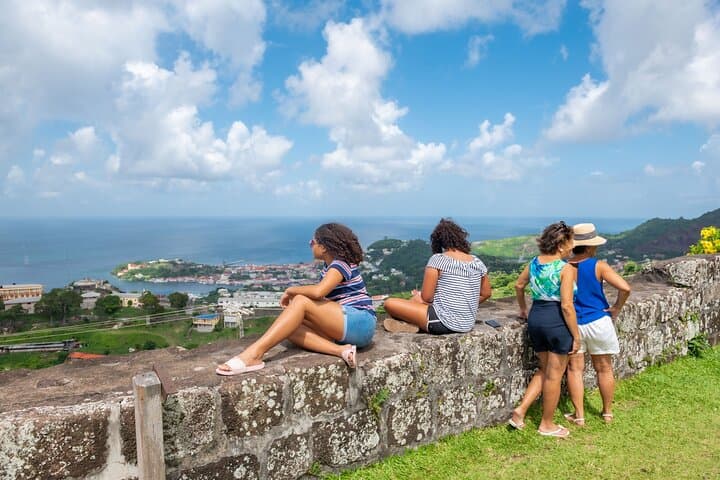
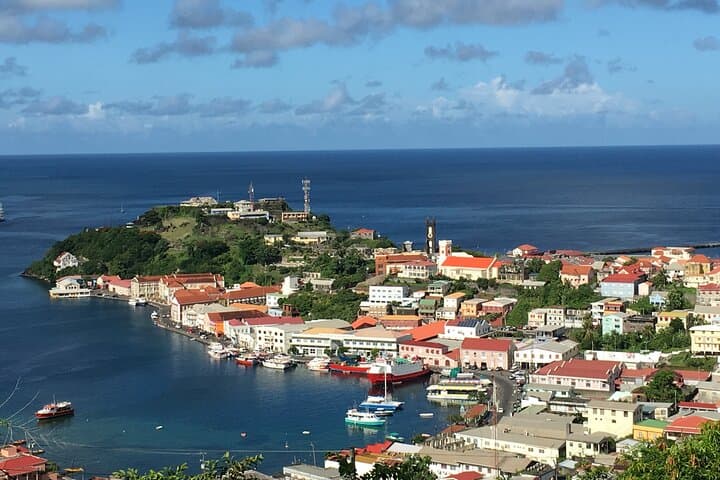
A warm trade wind carries the scent of nutmeg and sea salt as the minivan threads down coastal roads toward St. George’s. Visitors disembark at Fort Frederick, where low stone walls and stepped embrasures push you toward sweeping views of Grand Anse Beach and the Carenage’s clustered boats. The day moves at a steady, human pace: bright market stalls, the hum of vendors, and the concentrated aroma of cocoa at the Chocolate Museum.
A warm trade wind carries the scent of nutmeg and sea salt as the minivan threads down coastal roads toward St. George’s. Visitors disembark at Fort Frederick, where low stone walls and stepped embrasures push you toward sweeping views of Grand Anse Beach and the Carenage’s clustered boats. The day moves at a steady, human pace: bright market stalls, the hum of vendors, and the concentrated aroma of cocoa at the Chocolate Museum.
Grenada’s shoreline and hills reflect a layered history of colonial forts, fishing villages and plantation agriculture. Geologically, the island is volcanic — ridgelines fall steeply to sheltered bays where traditional fishing boats bob beside modern yachts. Culturally, this is the Spice Isle: nutmeg, cocoa and rum are not just souvenirs but ongoing livelihoods; factories like De La Grenade and local distilleries show how those crops become syrups, jams and spirits.
Practical guidance is straightforward. Expect several short walks on cobbles and uneven steps (Fort Frederick has exposed stonework). Bring local currency or small notes for market purchases, and allow four to five hours for a comprehensive sampler. Tastings and factory visits offer seated demonstrations but may include standing and brief stairs. Hydrate before midday sun, wear breathable shoes for market aisles, and keep a small daypack for purchases and sunscreen.
This guided circuit is a compact introduction: part history, part culinary field trip, and part coastal sightseeing — ideal for travelers who want a layered snapshot of Grenada without intensive hiking or long transfers.