THE ADVENTURE COLLECTIVE® · Independent discovery and booking for outdoor travel

Make the most of a long day: drive the Yamuna Expressway from Delhi to Agra, visit the Taj Mahal and Agra Fort, and return the same evening. This practical guide lays out history, timing, and on-the-ground tips to plan a smooth day trip.
Make the most of a long day: drive the Yamuna Expressway from Delhi to Agra, visit the Taj Mahal and Agra Fort, and return the same evening. This practical guide lays out history, timing, and on-the-ground tips to plan a smooth day trip.
You leave Delhi before sunrise, the city’s edge thinning as the Yamuna Expressway eats kilometers under an air-conditioned car. The highway is efficient; fields and low villages unspool while the first view of Agra—flat rooftops and the river bend—appears on the horizon. Approaching the Taj Mahal, the white marble briefly catches the light like a quiet promise.
Verified experiences and guided adventures in the surrounding area.
Operated by Joyful Holidays · Agra, Uttar Pradesh
You leave Delhi before sunrise, the city’s edge thinning as the Yamuna Expressway eats kilometers under an air-conditioned car. The highway is efficient; fields and low villages unspool while the first view of Agra—flat rooftops and the river bend—appears on the horizon. Approaching the Taj Mahal, the white marble briefly catches the light like a quiet promise.
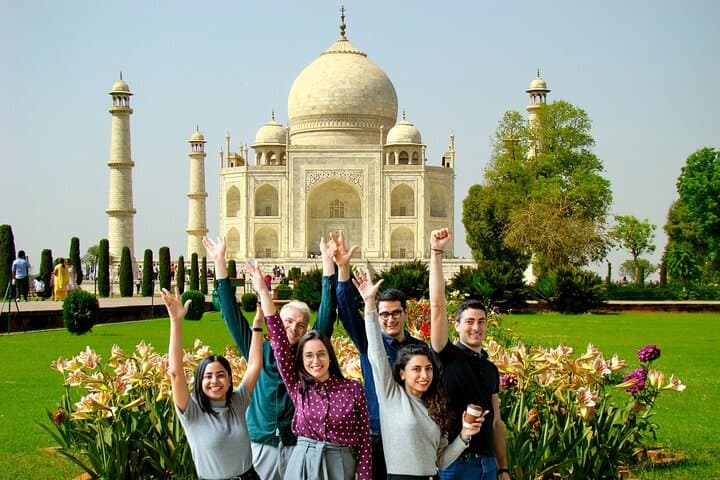
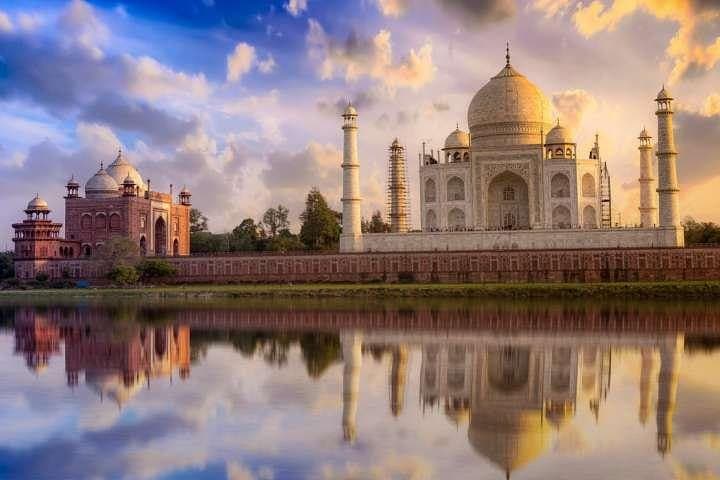
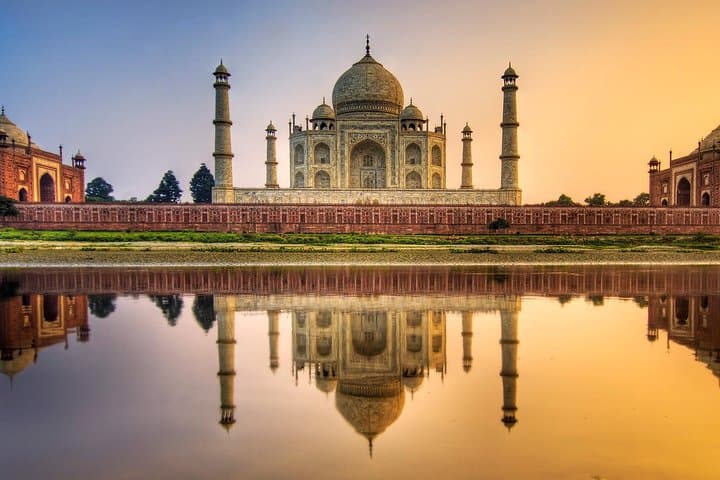
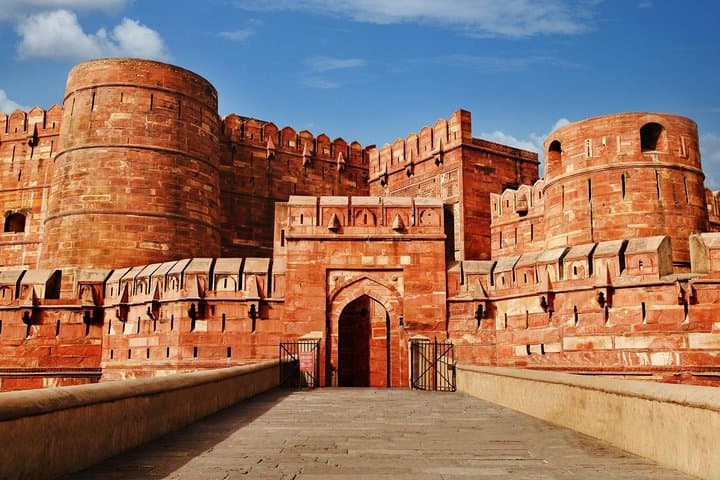
The Taj Mahal, completed in the mid-17th century by Shah Jahan, sits on the south bank of the Yamuna and is built primarily from Makrana marble brought in from Rajasthan. Nearby Agra Fort predates it, a 16th-century red sandstone complex begun by Akbar that frames Mughal power and the river’s shift in the city’s story. Local culture remains tied to marble carving, papermaking, and markets where spices and street food set the pace of the day.
On a same-day drive from Delhi you’ll typically allow 3–3.5 hours each way, two hours at the Taj, and about an hour at Agra Fort; add time for security and travel buffers. Expect paved walkways, crowd-managed gates, and strict photography rules near inlaid marble panels. Wear comfortable shoes for stone courtyards, carry sunscreen and bottled water, and keep original ID for ticket checks.
Practical tip: schedule an early pickup to avoid mid-day heat and return before late-night traffic. If you choose guided or all-inclusive options, confirm entrance fees are included and ask whether lunch or hotel pickup is part of the package. The long day rewards you with two UNESCO sites and a clear sense of Mughal architecture and the Yamuna’s patient presence.
easy.
12–14 hours.
Minimal fitness required; able to walk up to 2–3 miles on paved surfaces and staircases.
On the Yamuna Expressway expect roughly 3–3.5 hours each way depending on traffic; plan for stops and security checks that add time.
Some tour options include entrance fees; confirm at booking—if not included, buy tickets at the monument or online in advance.
Taj opening hours are fixed and closed on Fridays for prayer; sunset visits are possible on some days but check seasonal opening times and ticket availability.
Monuments have uneven surfaces and steps; some areas have limited accessibility, and wheelchair access varies—verify specific accessibility options with the operator.
The Taj Mahal was built in the mid-17th century by Mughal emperor Shah Jahan; Agra Fort dates to the 16th century under Emperor Akbar and offers views of the Yamuna and Taj.
Air pollution and visitor impact have prompted preservation measures including restricted vehicle access and regular cleaning of marble; follow site rules to minimize wear, and avoid single-use plastics.
Joyful Holidays operates guided outdoor trips and adventures with an emphasis on safety, stewardship, and memorable experiences.
You leave Delhi before sunrise, the city’s edge thinning as the Yamuna Expressway eats kilometers under an air-conditioned car. The highway is efficient; fields and low villages unspool while the first view of Agra—flat rooftops and the river bend—appears on the horizon. Approaching the Taj Mahal, the white marble briefly catches the light like a quiet promise.
You leave Delhi before sunrise, the city’s edge thinning as the Yamuna Expressway eats kilometers under an air-conditioned car. The highway is efficient; fields and low villages unspool while the first view of Agra—flat rooftops and the river bend—appears on the horizon. Approaching the Taj Mahal, the white marble briefly catches the light like a quiet promise.
The Taj Mahal, completed in the mid-17th century by Shah Jahan, sits on the south bank of the Yamuna and is built primarily from Makrana marble brought in from Rajasthan. Nearby Agra Fort predates it, a 16th-century red sandstone complex begun by Akbar that frames Mughal power and the river’s shift in the city’s story. Local culture remains tied to marble carving, papermaking, and markets where spices and street food set the pace of the day.
On a same-day drive from Delhi you’ll typically allow 3–3.5 hours each way, two hours at the Taj, and about an hour at Agra Fort; add time for security and travel buffers. Expect paved walkways, crowd-managed gates, and strict photography rules near inlaid marble panels. Wear comfortable shoes for stone courtyards, carry sunscreen and bottled water, and keep original ID for ticket checks.
Practical tip: schedule an early pickup to avoid mid-day heat and return before late-night traffic. If you choose guided or all-inclusive options, confirm entrance fees are included and ask whether lunch or hotel pickup is part of the package. The long day rewards you with two UNESCO sites and a clear sense of Mughal architecture and the Yamuna’s patient presence.