THE ADVENTURE COLLECTIVE® · Independent discovery and booking for outdoor travel

See the Taj Mahal in a single, efficiently planned day: fly from Bangalore to Delhi, transfer to Agra, visit the Taj and Agra Fort with a guide, and return the same evening. Ideal for travelers short on time who want a focused cultural and architectural experience.
See the Taj Mahal in a single, efficiently planned day: fly from Bangalore to Delhi, transfer to Agra, visit the Taj and Agra Fort with a guide, and return the same evening. Ideal for travelers short on time who want a focused cultural and architectural experience.
Before dawn the city still breathes in Bangalore; you board a short flight and, within hours, the flat plains of the Ganges basin open toward Agra. The Taj Mahal rises from the river plain like a pale memory—white marble catching the light while the Yamuna, patient and slow, nudges the city's edges.
Verified experiences and guided adventures in the surrounding area.
Operated by Advik Travel Hub · Agra, Uttar Pradesh
Before dawn the city still breathes in Bangalore; you board a short flight and, within hours, the flat plains of the Ganges basin open toward Agra. The Taj Mahal rises from the river plain like a pale memory—white marble catching the light while the Yamuna, patient and slow, nudges the city's edges.
Built in the 17th century by Shah Jahan, the Taj Mahal is an architectural statement of Mughal aesthetics: domes, slender minarets, and pietra dura inlay work that speak to artisanship drawn from Persian, Central Asian and local Indian traditions. Agra Fort, a nearby red-sandstone complex begun by Akbar, offers a counterpoint—military scale softened by ornate private chambers. Geologically, the region sits on alluvial plains, which is why the river’s changing moods and seasonal floods have always shaped settlement patterns here.
Culturally, Agra remains a market city—marble inlay workshops, carpet weavers and sweet shops that specialize in petha make for quick, vivid stops. Expect a brisk, itinerary-driven day: early pickup in Bangalore, flight to Delhi, three-hour drive on the Yamuna Expressway, timed monument visits, optional shopping, and a return flight home.
Practical guidance: plan for a very long day with early start and multiple transfers. Carry ID and admission receipts, allow extra time for security screening at the Taj, and wear comfortable walking shoes for paved courtyards and occasional uneven stone. Hydrate on the drive, use sun protection during midday, and budget for small purchases and tips if you use local guides or drivers.
challenging.
16–18 hours.
Good for travelers who can handle a long travel day with short walks across paved and uneven surfaces; minimal endurance required but expect fatigue.
Yes—this itinerary is designed to cover the Taj Mahal and Agra Fort in a single day, but visits are time-limited and paced to fit flights and transfers.
Options list monument entry tickets—confirm at booking whether tickets are included or must be purchased separately to ensure fast-track entry.
The Taj Mahal is closed every Friday for prayers; plan your booking on another day and check national holidays which can affect opening hours.
The tour is physically easy but long; infants can use strollers, and special seating may be available, but it’s not recommended for travelers with serious heart conditions or pregnancy due to the long day.
Agra was a Mughal capital; the Taj Mahal (mid-1600s) and Agra Fort (established under Akbar in 1565) reflect imperial power and craft traditions that shaped northern India.
High visitor numbers and air pollution pose long-term risks to marble; follow signage, avoid littering, and support licensed guides and locally run conservation initiatives.
Advik Travel Hub operates guided outdoor trips and adventures with an emphasis on safety, stewardship, and memorable experiences.



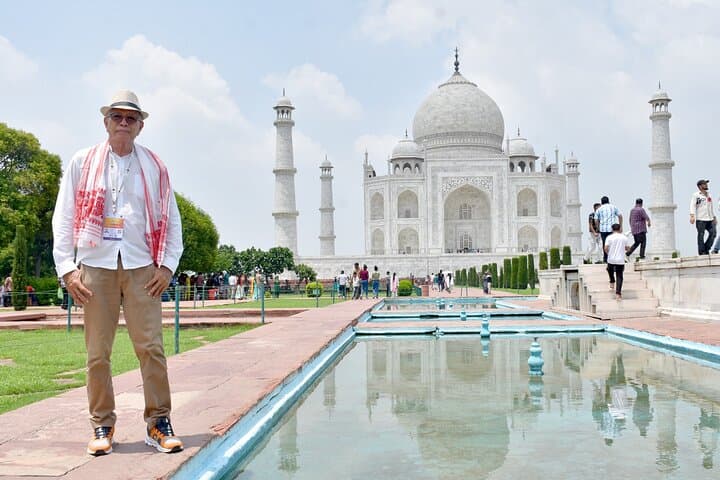
Before dawn the city still breathes in Bangalore; you board a short flight and, within hours, the flat plains of the Ganges basin open toward Agra. The Taj Mahal rises from the river plain like a pale memory—white marble catching the light while the Yamuna, patient and slow, nudges the city's edges.
Before dawn the city still breathes in Bangalore; you board a short flight and, within hours, the flat plains of the Ganges basin open toward Agra. The Taj Mahal rises from the river plain like a pale memory—white marble catching the light while the Yamuna, patient and slow, nudges the city's edges.
Built in the 17th century by Shah Jahan, the Taj Mahal is an architectural statement of Mughal aesthetics: domes, slender minarets, and pietra dura inlay work that speak to artisanship drawn from Persian, Central Asian and local Indian traditions. Agra Fort, a nearby red-sandstone complex begun by Akbar, offers a counterpoint—military scale softened by ornate private chambers. Geologically, the region sits on alluvial plains, which is why the river’s changing moods and seasonal floods have always shaped settlement patterns here.
Culturally, Agra remains a market city—marble inlay workshops, carpet weavers and sweet shops that specialize in petha make for quick, vivid stops. Expect a brisk, itinerary-driven day: early pickup in Bangalore, flight to Delhi, three-hour drive on the Yamuna Expressway, timed monument visits, optional shopping, and a return flight home.
Practical guidance: plan for a very long day with early start and multiple transfers. Carry ID and admission receipts, allow extra time for security screening at the Taj, and wear comfortable walking shoes for paved courtyards and occasional uneven stone. Hydrate on the drive, use sun protection during midday, and budget for small purchases and tips if you use local guides or drivers.