THE ADVENTURE COLLECTIVE® · Independent discovery and booking for outdoor travel

Witness sunrise over the Taj Mahal and explore Agra’s Mughal landmarks on a private, same‑day tour from Delhi. This full‑day excursion covers the Taj, Agra Fort, Itmad‑ud‑Daulah, and local craft stops with private transport and lunch included.
Witness sunrise over the Taj Mahal and explore Agra’s Mughal landmarks on a private, same‑day tour from Delhi. This full‑day excursion covers the Taj, Agra Fort, Itmad‑ud‑Daulah, and local craft stops with private transport and lunch included.
You arrive before dawn and the Yamuna is still, the river daring the white mausoleum to appear brighter than the gray sky. As the sun eases up, the Taj Mahal unfolds — ivory catching light, minarets casting long, patient shadows across manicured gardens. This is a day built around that first sight and the layered history that surrounds it.
Verified experiences and guided adventures in the surrounding area.
Operated by Castle And king · Agra, Uttar Pradesh
You arrive before dawn and the Yamuna is still, the river daring the white mausoleum to appear brighter than the gray sky. As the sun eases up, the Taj Mahal unfolds — ivory catching light, minarets casting long, patient shadows across manicured gardens. This is a day built around that first sight and the layered history that surrounds it.
Built by Shah Jahan in the 17th century, the Taj Mahal sits on the south bank of the Yamuna as a record of Mughal architecture and imperial grief. Nearby, Agra Fort and the smaller Itmad‑ud‑Daulah (the “Baby Taj”) trace the technical progression from red sandstone to refined white marble and inlay work. The plain along the river tells a quieter geological story: alluvial soil, shifting banks, and the constant pressure of humidity and pollution that conservators now battle to protect the monuments.
Culturally, Agra hums with craftsmen—marble inlayers, carpet weavers, brassworkers—trading centuries of skill in bazaars that still price by handshake. Expect a rhythm of walking, short talks at each site, and pauses for photos and tea; the private vehicle makes the route efficient, and a provided lunch gives a local palate contrast to the monuments.
Practical guidance: start early to avoid heat and crowds, carry ID for tickets, dress respectfully for mosque areas, and budget time for shoe checks and security lines. Bring a refillable water bottle, sun protection, and a comfortable pair of shoes—the day is long but straightforward, and the payoff is one of the clearest architectural experiences in the subcontinent.
easy.
8–12 hours.
Suitable for most fitness levels; requires several hours of walking and standing with occasional steps and short climbs.
No — entrance admissions are typically paid separately at the sites; tour providers will advise on current rates and ticket procedures.
Approximately 1.5–2 hours at the Taj, with additional time allocated to Agra Fort and Itmad‑ud‑Daulah according to the itinerary.
The itinerary notes wheelchair accessibility for transportation, but some historic sites have steps and uneven surfaces; check specific site accessibility in advance.
Tours generally pick up from central Delhi locations or hotels and return to Delhi in the evening; confirm your exact pickup point when booking.
Agra was a Mughal capital where imperial architecture evolved from heavy sandstone forts to the intricate marble mausoleums of the 17th century.
Air pollution and visitor wear threaten the marble; conservation efforts and visitor management aim to reduce emissions and control foot traffic around sensitive sections.
Castle And king operates guided outdoor trips and adventures with an emphasis on safety, stewardship, and memorable experiences.
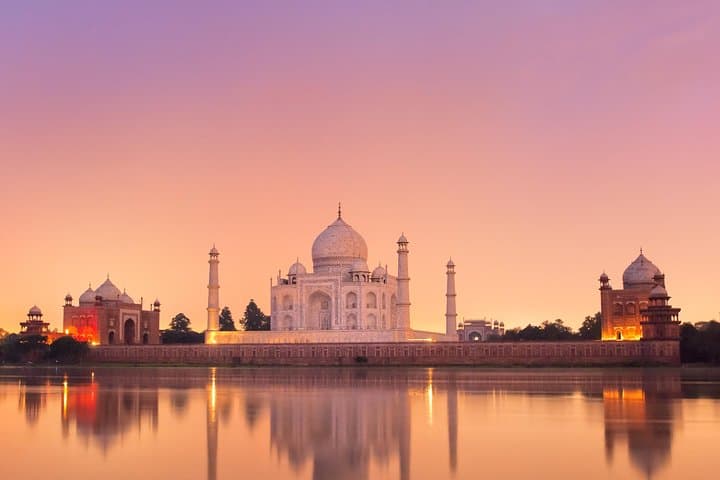
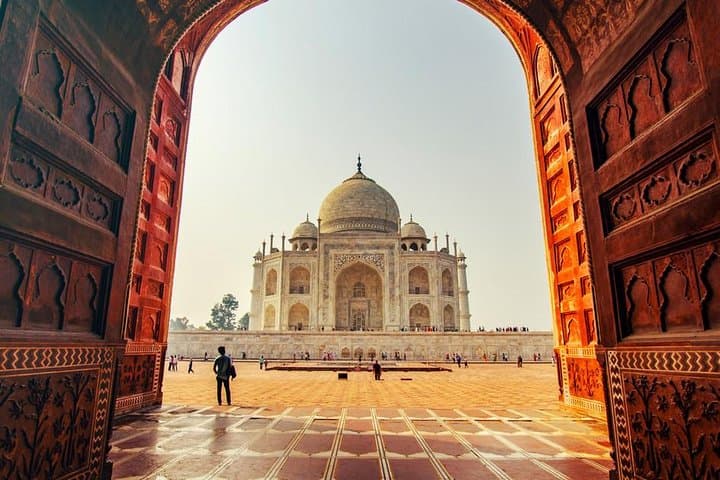
You arrive before dawn and the Yamuna is still, the river daring the white mausoleum to appear brighter than the gray sky. As the sun eases up, the Taj Mahal unfolds — ivory catching light, minarets casting long, patient shadows across manicured gardens. This is a day built around that first sight and the layered history that surrounds it.
You arrive before dawn and the Yamuna is still, the river daring the white mausoleum to appear brighter than the gray sky. As the sun eases up, the Taj Mahal unfolds — ivory catching light, minarets casting long, patient shadows across manicured gardens. This is a day built around that first sight and the layered history that surrounds it.
Built by Shah Jahan in the 17th century, the Taj Mahal sits on the south bank of the Yamuna as a record of Mughal architecture and imperial grief. Nearby, Agra Fort and the smaller Itmad‑ud‑Daulah (the “Baby Taj”) trace the technical progression from red sandstone to refined white marble and inlay work. The plain along the river tells a quieter geological story: alluvial soil, shifting banks, and the constant pressure of humidity and pollution that conservators now battle to protect the monuments.
Culturally, Agra hums with craftsmen—marble inlayers, carpet weavers, brassworkers—trading centuries of skill in bazaars that still price by handshake. Expect a rhythm of walking, short talks at each site, and pauses for photos and tea; the private vehicle makes the route efficient, and a provided lunch gives a local palate contrast to the monuments.
Practical guidance: start early to avoid heat and crowds, carry ID for tickets, dress respectfully for mosque areas, and budget time for shoe checks and security lines. Bring a refillable water bottle, sun protection, and a comfortable pair of shoes—the day is long but straightforward, and the payoff is one of the clearest architectural experiences in the subcontinent.