THE ADVENTURE COLLECTIVE® · Independent discovery and booking for outdoor travel

A private, full-day round-trip from New Delhi that pairs the ivory-white Taj Mahal with the red sandstone of Agra Fort. Expect early starts, a 10-hour itinerary, and practical tips for beating crowds and heat.
A private, full-day round-trip from New Delhi that pairs the ivory-white Taj Mahal with the red sandstone of Agra Fort. Expect early starts, a 10-hour itinerary, and practical tips for beating crowds and heat.
You step out of an air-conditioned car onto a broad, marble-lined forecourt with the Yamuna catching the light behind the mausoleum. The Taj Mahal, its white face changing with the sun, fills the view; sound and city noise fade and the cold stone seems to hold the story of two centuries.
Verified experiences and guided adventures in the surrounding area.
Operated by Trek India Tours · Agra, Uttar Pradesh
You step out of an air-conditioned car onto a broad, marble-lined forecourt with the Yamuna catching the light behind the mausoleum. The Taj Mahal, its white face changing with the sun, fills the view; sound and city noise fade and the cold stone seems to hold the story of two centuries.
Built by Shah Jahan beginning in 1632, the Taj is an ivory-marble mausoleum that marks Mughal architectural ambition and grief. Nearby, Agra Fort—a UNESCO World Heritage site—recounts the political life of the same empire with red sandstone bastions, chambers and riverside battlements. Geologically, the region sits on the alluvial plains of the Yamuna; the river’s seasonal moods have shaped access, gardens, and the town’s layout for centuries.
Culturally, Agra is both market and monument: craftsmen continue in inlay and stonework traditions, and morning light finds vendors arranging sweets and chai near the forts. Practical planning matters: this private, full-day trip from Delhi uses the Yamuna Expressway (roughly 3–4 hours each way by car) and typically runs about 10 hours total, including stops.
Expect walking on paved and sometimes uneven surfaces, security queues, and changing light that affects photography. Bring cash and local SIM or offline directions for the return, aim for an early departure to avoid midday heat and crowds, and leave room in your schedule for traffic delays on return.
This tour pairs deep history with straightforward logistics: minimal fitness required, maximum cultural payoff. Arrive hydrated, dress respectably for a religious-adjacent site, and let the river and stone guide your pace.
easy.
10 hours (full-day).
Minimal fitness required: mostly standing and moderate walking on paved or uneven paths.
Entrance is included only if the booking option purchased specifies monuments; confirm at booking and keep your mobile ticket ready.
Typical drive time on the Yamuna Expressway is about 3–4 hours one way, depending on traffic; the total tour is roughly 10 hours.
The provider lists wheelchair-accessible transport and some accessible areas, but historic sites have steps and uneven surfaces—check specific accessibility needs in advance.
Early morning visits in cooler months (Oct–Mar) offer the best light and smaller crowds; summers are hot and humid, and winter mornings can be foggy.
The Taj Mahal was commissioned by Mughal emperor Shah Jahan in 1632 as a mausoleum for Mumtaz Mahal; Agra Fort served as the Mughal seat until the capital moved to Delhi in the 17th century.
High visitor numbers and riverine changes threaten marble staining and foundations; follow site rules, avoid litter, and use authorized walkways to reduce impact.
Trek India Tours operates guided outdoor trips and adventures with an emphasis on safety, stewardship, and memorable experiences.
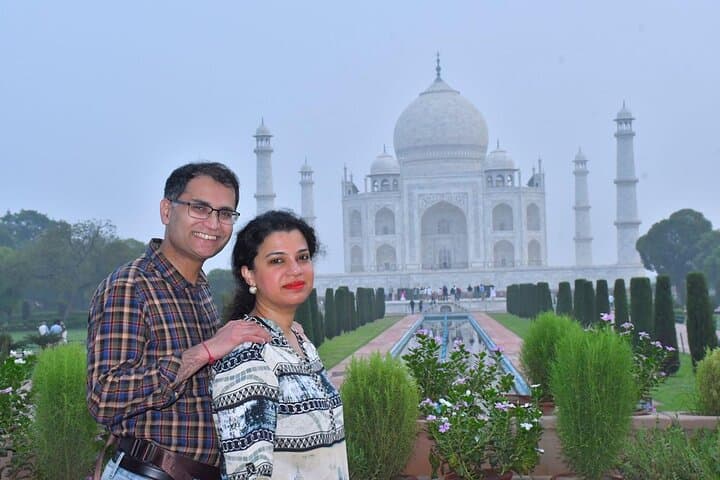
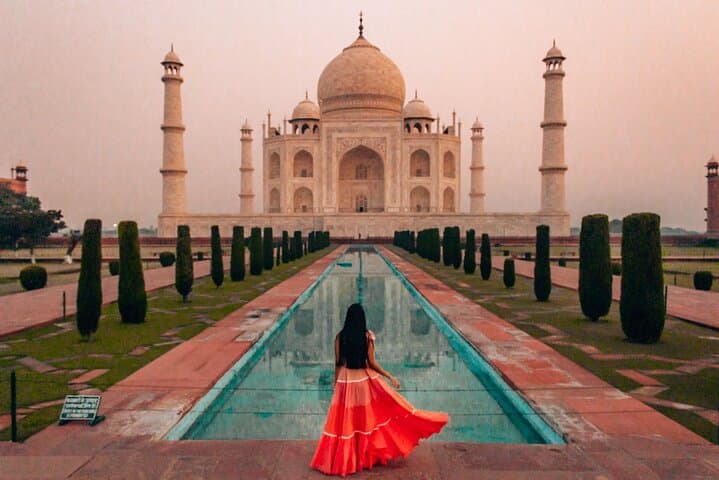
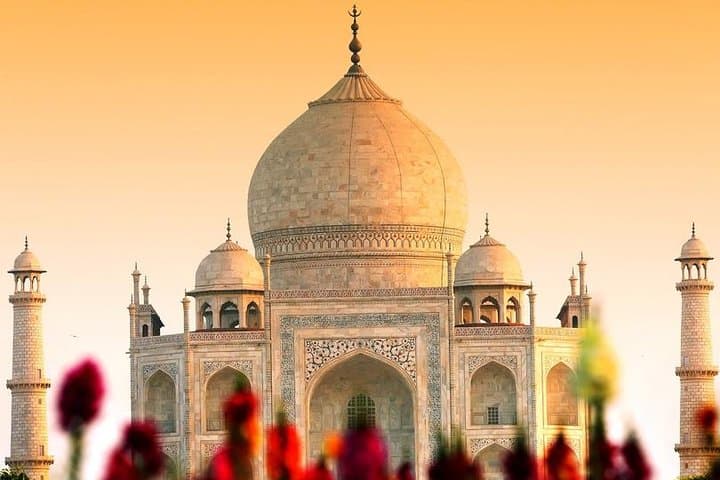
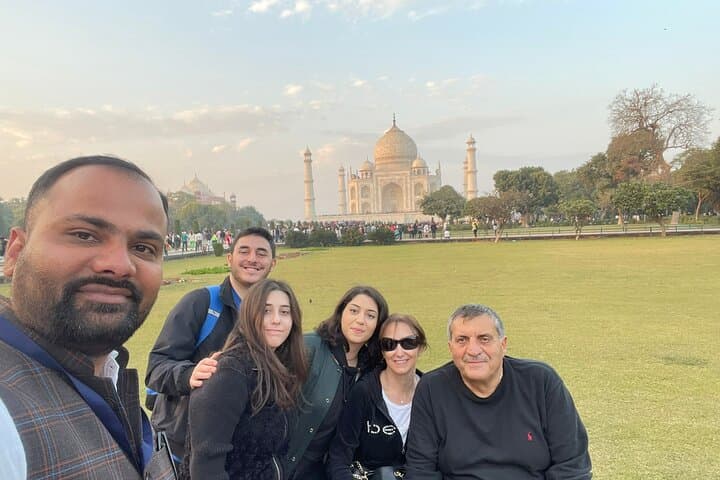
You step out of an air-conditioned car onto a broad, marble-lined forecourt with the Yamuna catching the light behind the mausoleum. The Taj Mahal, its white face changing with the sun, fills the view; sound and city noise fade and the cold stone seems to hold the story of two centuries.
You step out of an air-conditioned car onto a broad, marble-lined forecourt with the Yamuna catching the light behind the mausoleum. The Taj Mahal, its white face changing with the sun, fills the view; sound and city noise fade and the cold stone seems to hold the story of two centuries.
Built by Shah Jahan beginning in 1632, the Taj is an ivory-marble mausoleum that marks Mughal architectural ambition and grief. Nearby, Agra Fort—a UNESCO World Heritage site—recounts the political life of the same empire with red sandstone bastions, chambers and riverside battlements. Geologically, the region sits on the alluvial plains of the Yamuna; the river’s seasonal moods have shaped access, gardens, and the town’s layout for centuries.
Culturally, Agra is both market and monument: craftsmen continue in inlay and stonework traditions, and morning light finds vendors arranging sweets and chai near the forts. Practical planning matters: this private, full-day trip from Delhi uses the Yamuna Expressway (roughly 3–4 hours each way by car) and typically runs about 10 hours total, including stops.
Expect walking on paved and sometimes uneven surfaces, security queues, and changing light that affects photography. Bring cash and local SIM or offline directions for the return, aim for an early departure to avoid midday heat and crowds, and leave room in your schedule for traffic delays on return.
This tour pairs deep history with straightforward logistics: minimal fitness required, maximum cultural payoff. Arrive hydrated, dress respectably for a religious-adjacent site, and let the river and stone guide your pace.