THE ADVENTURE COLLECTIVE® · Independent discovery and booking for outdoor travel

See the Taj Mahal, Agra Fort and the Baby Taj in a single, well-paced day from Delhi. This full‑day private tour combines guided history, riverside views at Mehtab Bagh and practical tips for timing, tickets and transit.
See the Taj Mahal, Agra Fort and the Baby Taj in a single, well-paced day from Delhi. This full‑day private tour combines guided history, riverside views at Mehtab Bagh and practical tips for timing, tickets and transit.
You arrive before the heat presses down, the Yamuna river nudging the edges of Agra as the Taj Mahal lifts from the morning haze—its marble gleaming, as if testing your steadiness. The guide solves the geometry of the site for you: gardens, reflecting pools, and a mausoleum whose proportions hold a quiet stubbornness.
Verified experiences and guided adventures in the surrounding area.
Operated by JNK INDIA TOURS · Agra, Uttar Pradesh
You arrive before the heat presses down, the Yamuna river nudging the edges of Agra as the Taj Mahal lifts from the morning haze—its marble gleaming, as if testing your steadiness. The guide solves the geometry of the site for you: gardens, reflecting pools, and a mausoleum whose proportions hold a quiet stubbornness.
The day unspools through Mughal history. Shah Jahan’s 17th‑century mausoleum anchors the narrative; Agra Fort, a red sandstone citadel, traces earlier conquests and court life. Mehtab Bagh, across the river, was laid out as a viewing garden aligned with the Taj’s axis, while the I’timād‑ud‑Daulah — the “Baby Taj” — shows the evolution of delicate marble inlay that prefigured the larger monument.
Geology matters here: the Taj’s white Makrana marble reads differently with humidity and pollution, which conservationists monitor closely. Culturally, Agra balances shopfront craftsmen polishing pietra dura inlay and street vendors serving chai—the city wears its past as a practical economy.
Practical guide: expect long stretches in the van between Delhi and Agra (around 3.5–4.5 hours each way), followed by walking across paved and tiled surfaces; modest inclines only. Security checks at each site can add time; bring a government ID for ticketing. Aim for early morning or late afternoon light for photos, carry water, and wear comfortable walking shoes. If you plan to linger at Mehtab Bagh for sunset, factor in evening traffic back to Delhi. In short: bring patience and curiosity—both are rewarded.
easy.
10–14 hours.
Suitable for travelers with average fitness—requires walking on flat and uneven surfaces and enduring long van transfers.
No; standard public entrance fees for the Taj Mahal and Agra Fort are not included—pay on arrival or arrange tickets in advance to skip some queues.
Yes; most operators include hotel/airport/railway station pickup and drop‑off in Delhi—confirm your pickup point when booking.
The Taj Mahal is closed on Fridays for prayers but open other days; check local schedules for any government holidays or maintenance closures.
Handheld photography is generally allowed; tripods, drones, and large equipment are often restricted—follow onsite security rules and guide advice.
Agra was a Mughal capital; the Taj Mahal was built mid‑17th century by Shah Jahan as a mausoleum for Mumtaz Mahal, while Agra Fort served as an administrative stronghold for successive emperors.
The Taj’s marble faces stress from air pollution and seasonal river flow changes; local conservation efforts and restricted vehicle zones aim to reduce emissions and preserve the complex.
JNK INDIA TOURS operates guided outdoor trips and adventures with an emphasis on safety, stewardship, and memorable experiences.


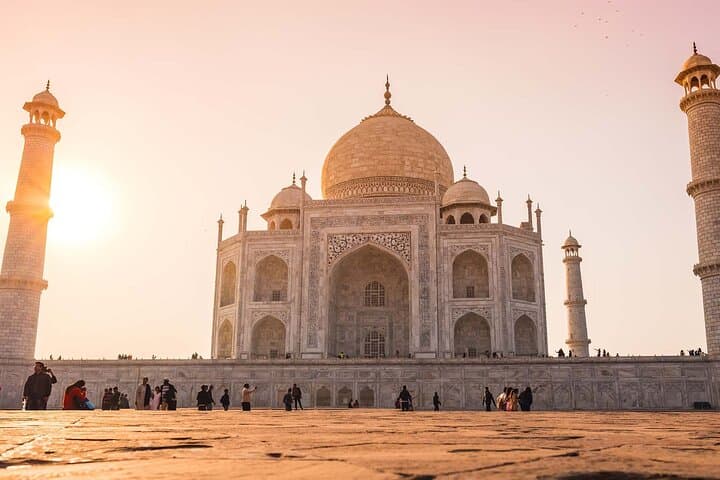
You arrive before the heat presses down, the Yamuna river nudging the edges of Agra as the Taj Mahal lifts from the morning haze—its marble gleaming, as if testing your steadiness. The guide solves the geometry of the site for you: gardens, reflecting pools, and a mausoleum whose proportions hold a quiet stubbornness.
You arrive before the heat presses down, the Yamuna river nudging the edges of Agra as the Taj Mahal lifts from the morning haze—its marble gleaming, as if testing your steadiness. The guide solves the geometry of the site for you: gardens, reflecting pools, and a mausoleum whose proportions hold a quiet stubbornness.
The day unspools through Mughal history. Shah Jahan’s 17th‑century mausoleum anchors the narrative; Agra Fort, a red sandstone citadel, traces earlier conquests and court life. Mehtab Bagh, across the river, was laid out as a viewing garden aligned with the Taj’s axis, while the I’timād‑ud‑Daulah — the “Baby Taj” — shows the evolution of delicate marble inlay that prefigured the larger monument.
Geology matters here: the Taj’s white Makrana marble reads differently with humidity and pollution, which conservationists monitor closely. Culturally, Agra balances shopfront craftsmen polishing pietra dura inlay and street vendors serving chai—the city wears its past as a practical economy.
Practical guide: expect long stretches in the van between Delhi and Agra (around 3.5–4.5 hours each way), followed by walking across paved and tiled surfaces; modest inclines only. Security checks at each site can add time; bring a government ID for ticketing. Aim for early morning or late afternoon light for photos, carry water, and wear comfortable walking shoes. If you plan to linger at Mehtab Bagh for sunset, factor in evening traffic back to Delhi. In short: bring patience and curiosity—both are rewarded.