THE ADVENTURE COLLECTIVE® · Independent discovery and booking for outdoor travel

A full-day itinerary from Delhi that uses the superfast train to deliver focused time at the Taj Mahal, Agra Fort, and nearby historic sites. Practical timing, entry realities, and quick local tips to get the most from a one-day visit.
A full-day itinerary from Delhi that uses the superfast train to deliver focused time at the Taj Mahal, Agra Fort, and nearby historic sites. Practical timing, entry realities, and quick local tips to get the most from a one-day visit.
You step onto the platform as the morning light skims the Yamuna; the superfast train hums toward Agra and the city’s white marble horizon grows from a pale suggestion to a dazzling presence. In a single day you move between Mughal halls and garden viewpoints, watching the Taj Mahal’s face change with the sun.
Verified experiences and guided adventures in the surrounding area.
Operated by Taj mahal skip the line and luxury tour · Agra, Uttar Pradesh
You step onto the platform as the morning light skims the Yamuna; the superfast train hums toward Agra and the city’s white marble horizon grows from a pale suggestion to a dazzling presence. In a single day you move between Mughal halls and garden viewpoints, watching the Taj Mahal’s face change with the sun.
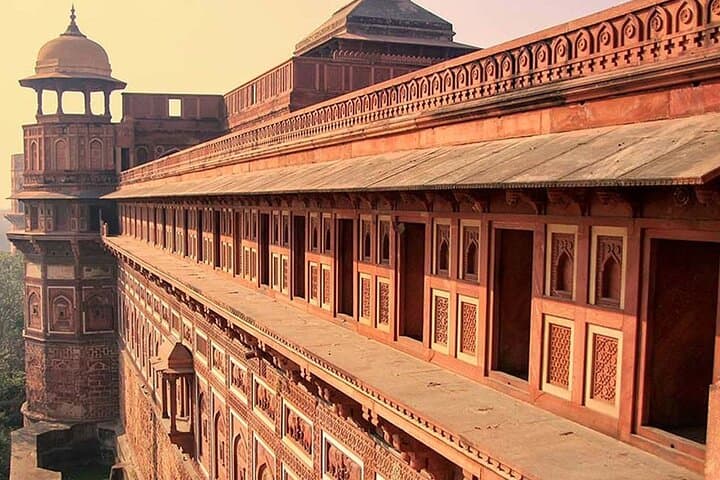
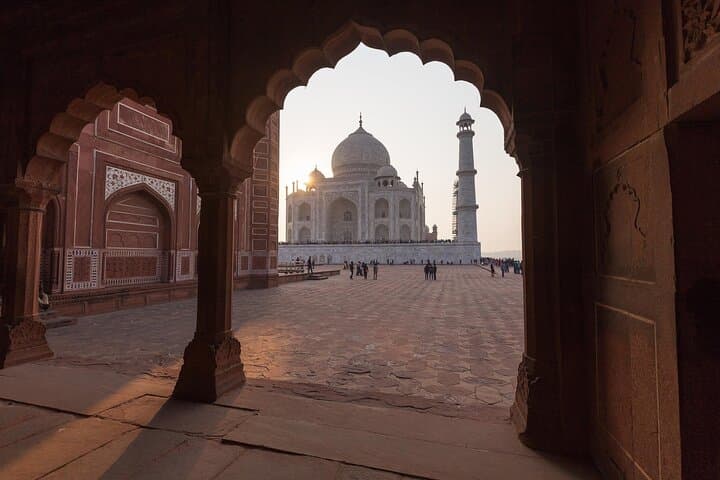
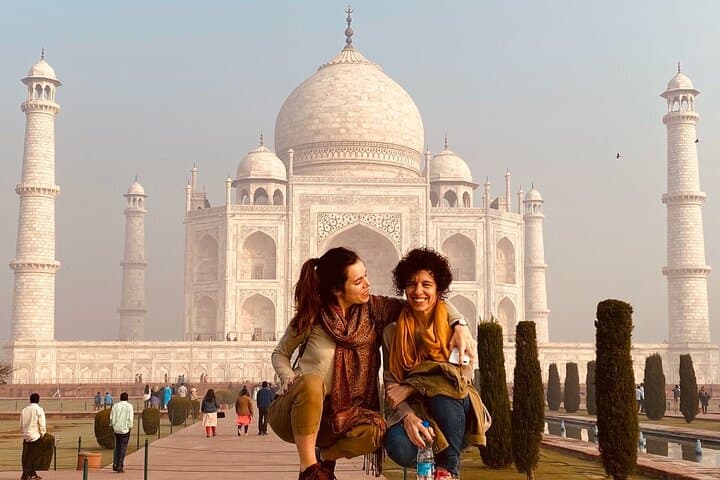
The Taj Mahal began in 1632 under Emperor Shah Jahan as a mausoleum for Mumtaz Mahal and was completed mid-century in white Makrana marble. Across the river, Mehtab Bagh offers a calm sunset vantage, while Agra Fort—started under Akbar in the 16th century—maps the rise of Mughal power. Itimad-ud-Daulah, the “Baby Taj,” shows early pietra dura detail that foreshadows the larger complex. The city’s geology—flat alluvial plains beside the Yamuna—makes these monuments visible long before you arrive.
Expect museum-level security at entrances: small bags and cameras are allowed but large items and tripods are often restricted; the Taj is closed on Fridays. Travel here is sensory—street vendors calling out for petha sweets, the river’s bank birds, and the press of guided groups—but practicalities matter: carry ID for train travel, use provided shoe covers inside the mausoleum, and plan for midday heat.
Practical tips: arrive early to avoid peak crowds, hydrate and wear sun protection, and allow time for luggage checks and walking between sites. A private guide and AC vehicle on return make the 12-hour loop manageable; it’s a full day but one that compresses the Mughal era into a single, unforgettable route.
easy.
10–12 hours.
Light fitness required — mostly walking on paved paths with intermittent standing and stairs inside Agra Fort.
The Taj Mahal is closed on Fridays for prayer; plan your trip on another day and check holiday schedules.
Yes — a valid government ID (passport, driver’s license) is required for train travel and monument entry.
This itinerary includes entrance fees; expect security queues—arriving early shortens wait times.
Many areas and transportation are wheelchair accessible, but some historic sections have steps; check accessibility needs in advance.
The Taj Mahal was commissioned by Shah Jahan in 1632 as a mausoleum for Mumtaz Mahal; nearby Agra Fort dates to Akbar’s 16th-century reign and showcases Mughal military and residential architecture.
High visitor numbers strain the site; follow monument rules, avoid single-use plastics, and stick to marked paths to help preserve marble surfaces and gardens.
Taj mahal skip the line and luxury tour operates guided outdoor trips and adventures with an emphasis on safety, stewardship, and memorable experiences.

You step onto the platform as the morning light skims the Yamuna; the superfast train hums toward Agra and the city’s white marble horizon grows from a pale suggestion to a dazzling presence. In a single day you move between Mughal halls and garden viewpoints, watching the Taj Mahal’s face change with the sun.
You step onto the platform as the morning light skims the Yamuna; the superfast train hums toward Agra and the city’s white marble horizon grows from a pale suggestion to a dazzling presence. In a single day you move between Mughal halls and garden viewpoints, watching the Taj Mahal’s face change with the sun.
The Taj Mahal began in 1632 under Emperor Shah Jahan as a mausoleum for Mumtaz Mahal and was completed mid-century in white Makrana marble. Across the river, Mehtab Bagh offers a calm sunset vantage, while Agra Fort—started under Akbar in the 16th century—maps the rise of Mughal power. Itimad-ud-Daulah, the “Baby Taj,” shows early pietra dura detail that foreshadows the larger complex. The city’s geology—flat alluvial plains beside the Yamuna—makes these monuments visible long before you arrive.
Expect museum-level security at entrances: small bags and cameras are allowed but large items and tripods are often restricted; the Taj is closed on Fridays. Travel here is sensory—street vendors calling out for petha sweets, the river’s bank birds, and the press of guided groups—but practicalities matter: carry ID for train travel, use provided shoe covers inside the mausoleum, and plan for midday heat.
Practical tips: arrive early to avoid peak crowds, hydrate and wear sun protection, and allow time for luggage checks and walking between sites. A private guide and AC vehicle on return make the 12-hour loop manageable; it’s a full day but one that compresses the Mughal era into a single, unforgettable route.