THE ADVENTURE COLLECTIVE® · Independent discovery and booking for outdoor travel

Make the most of one long day to see two of Mughal India’s signature sites: the luminous Taj Mahal and the red sandstone sweep of Agra Fort. This private, air‑conditioned tour from Delhi covers transport, guiding, and a paced visit so you can focus on the architecture and history.
Make the most of one long day to see two of Mughal India’s signature sites: the luminous Taj Mahal and the red sandstone sweep of Agra Fort. This private, air‑conditioned tour from Delhi covers transport, guiding, and a paced visit so you can focus on the architecture and history.
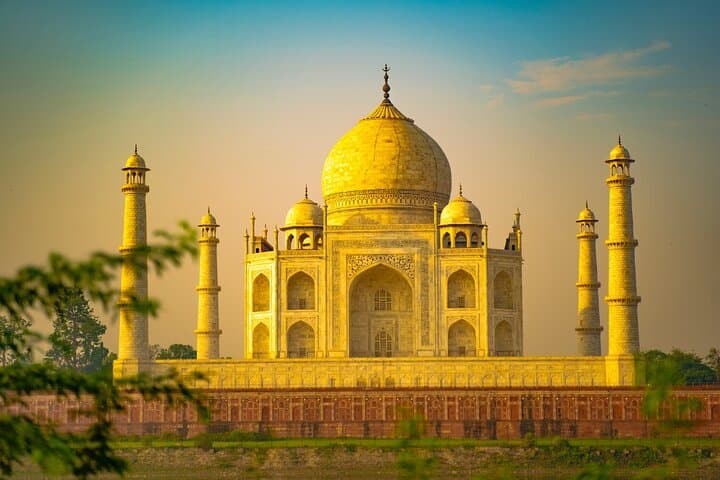
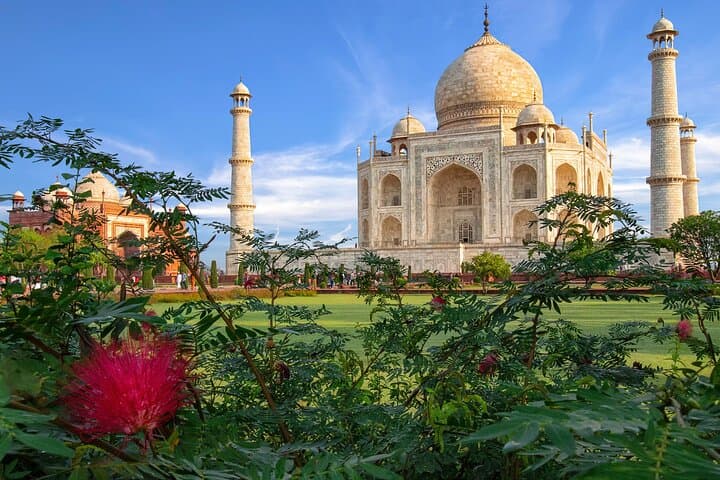
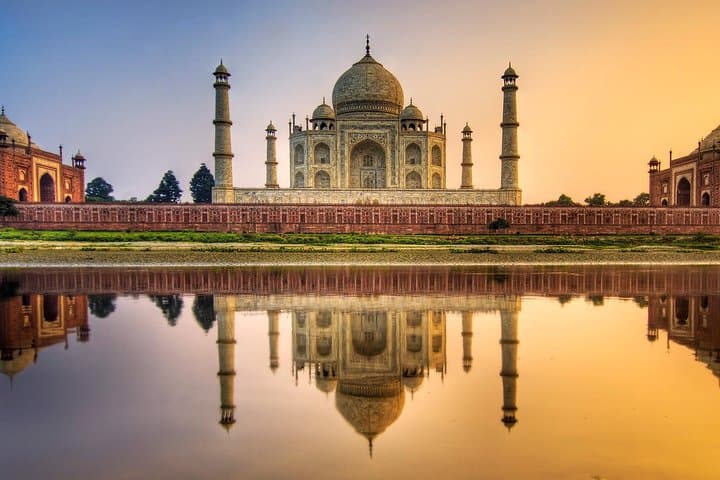
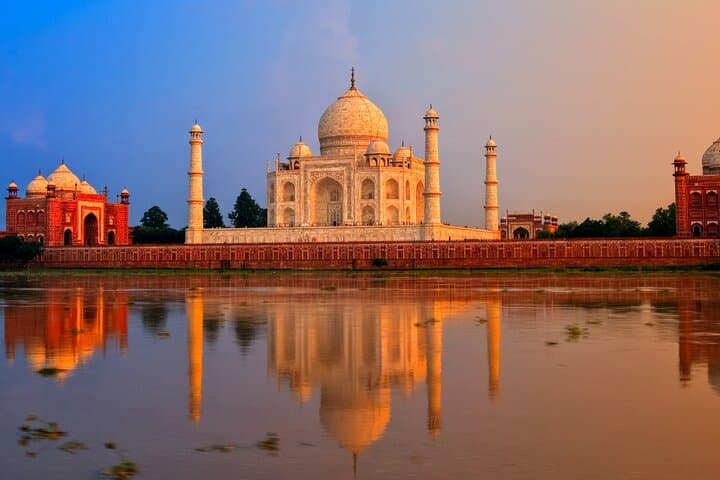
The sun is low over the Yamuna as your air‑conditioned car eases onto the expressway and the flat fields give way to the soft silhouette of white marble. By the time you step into the charbagh—the formal Mughal garden—first light sharpens the Taj Mahal’s reflection and the monument seems to breathe with the river beside it. That first view is deliberate: symmetry, scale, and the slow reveal of inlaid panels and calligraphy.
Verified experiences and guided adventures in the surrounding area.
Operated by Julie International Tours · Agra, Uttar Pradesh
The sun is low over the Yamuna as your air‑conditioned car eases onto the expressway and the flat fields give way to the soft silhouette of white marble. By the time you step into the charbagh—the formal Mughal garden—first light sharpens the Taj Mahal’s reflection and the monument seems to breathe with the river beside it. That first view is deliberate: symmetry, scale, and the slow reveal of inlaid panels and calligraphy.
Built by Emperor Shah Jahan in the 17th century as a mausoleum for Mumtaz Mahal, the Taj sits on Makrana marble quarried from Rajasthan; its polish and microstructure catch light differently across the day. Across the city, Agra Fort—started under Akbar and later modified by Shah Jahan—shows the Mughal appetite for red sandstone, layered courtyards, and private chambers. Local life threads through both sites: shoemakers, marble inlay artisans, and chai stalls where drivers and guides pause between sectors.
Practically, this is a long but low‑impact day: expect a 10–14 hour round trip from Delhi with 2–3 hours on foot inside monuments and more time standing for queues and photography. Carry ID for ticketing, modest clothing for mosque areas, and a reusable water bottle; security is strict and some areas require removing shoes or using provided covers. Early morning visits reduce crowds and sharpen the light; late afternoons warm the marble’s tones but attract more visitors.
Follow your guide for skip‑the‑line logistics, be mindful of conservation rules (no food inside, minimal touching of stone), and leave room in your schedule for a quiet pause at Mehtab Bagh across the river—its west bank view is worth the detour.
easy.
10–14 hours.
Suitable for travelers in average fitness; involves several hours of walking and standing with short stair sections.
Expect about 3–4 hours each way on the Yamuna Expressway depending on traffic; your tour is planned as a full day (roughly 10–14 hours).
Some options are all‑inclusive; check your booking—entrance fees and buffet lunch are included only if you selected the all‑inclusive option.
Key approaches and certain areas are wheelchair accessible, though some raised plinths and marble floors can be uneven; the operator lists wheelchair‑accessible transport and sites.
Photography is allowed in most outdoor areas; check with your guide about restrictions in specific interiors and avoid flash on delicate inlay work.
The Taj Mahal was completed in the mid‑1600s under Shah Jahan as a mausoleum; Agra Fort predates it and was the seat of Mughal power with major expansions under Akbar and Shah Jahan.
Visitor flow is managed to protect marble surfaces and inlaid stone; avoid touching the monument and minimize single‑use plastics to reduce impact.
Julie International Tours operates guided outdoor trips and adventures with an emphasis on safety, stewardship, and memorable experiences.
The sun is low over the Yamuna as your air‑conditioned car eases onto the expressway and the flat fields give way to the soft silhouette of white marble. By the time you step into the charbagh—the formal Mughal garden—first light sharpens the Taj Mahal’s reflection and the monument seems to breathe with the river beside it. That first view is deliberate: symmetry, scale, and the slow reveal of inlaid panels and calligraphy.
The sun is low over the Yamuna as your air‑conditioned car eases onto the expressway and the flat fields give way to the soft silhouette of white marble. By the time you step into the charbagh—the formal Mughal garden—first light sharpens the Taj Mahal’s reflection and the monument seems to breathe with the river beside it. That first view is deliberate: symmetry, scale, and the slow reveal of inlaid panels and calligraphy.
Built by Emperor Shah Jahan in the 17th century as a mausoleum for Mumtaz Mahal, the Taj sits on Makrana marble quarried from Rajasthan; its polish and microstructure catch light differently across the day. Across the city, Agra Fort—started under Akbar and later modified by Shah Jahan—shows the Mughal appetite for red sandstone, layered courtyards, and private chambers. Local life threads through both sites: shoemakers, marble inlay artisans, and chai stalls where drivers and guides pause between sectors.
Practically, this is a long but low‑impact day: expect a 10–14 hour round trip from Delhi with 2–3 hours on foot inside monuments and more time standing for queues and photography. Carry ID for ticketing, modest clothing for mosque areas, and a reusable water bottle; security is strict and some areas require removing shoes or using provided covers. Early morning visits reduce crowds and sharpen the light; late afternoons warm the marble’s tones but attract more visitors.
Follow your guide for skip‑the‑line logistics, be mindful of conservation rules (no food inside, minimal touching of stone), and leave room in your schedule for a quiet pause at Mehtab Bagh across the river—its west bank view is worth the detour.