THE ADVENTURE COLLECTIVE® · Independent discovery and booking for outdoor travel

A practical full‑day from Jaipur that delivers Pushkar’s lakeside ghats, the unique Brahma Temple and a short climb to Savitri Hill. Expect culture, easy walking and clear valley views on an 8‑hour schedule.
A practical full‑day from Jaipur that delivers Pushkar’s lakeside ghats, the unique Brahma Temple and a short climb to Savitri Hill. Expect culture, easy walking and clear valley views on an 8‑hour schedule.
You arrive from Jaipur as the road eases into the low, ochre hills that hem Pushkar, and the valley opens to reveal a semi-circular lake ringed by tiers of stone ghats. The air carries incense and the steady clack of brass bells; vendors arrange marigolds while the lake’s surface dares you to pause.
Verified experiences and guided adventures in the surrounding area.
Operated by Rajasthan Dream Vacations · Pushkar, Rajasthan
You arrive from Jaipur as the road eases into the low, ochre hills that hem Pushkar, and the valley opens to reveal a semi-circular lake ringed by tiers of stone ghats. The air carries incense and the steady clack of brass bells; vendors arrange marigolds while the lake’s surface dares you to pause.
Pushkar’s story is straightforward: a lotus dropped by Lord Brahma created the lake, and pilgrims have come here for centuries to bathe at the 52 ghats and visit the lone Brahma temple. Geologically the area is ancient sedimentary plain punctuated by wind-sculpted sand dunes and small hillocks—Savtri Hill offers a short climb and a clear view of the valley and its temples.
Culturally, Pushkar mixes devotion and commerce; expect temple rituals interspersed with bazaars selling textiles, incense and camel leatherwork. The Brahma temple’s red spire and four-faced idol are the focal point for many; nearby Savitri Temple rewards a 10–15 minute stair ascent with sweeping lake views.
Practically, this is a full-day outing from Jaipur (roughly 2.5 hours each way). Wear sturdy, non-slip shoes for the ghats and temple steps, carry sun protection and water, and allow time for photography, shopping and a quiet dip if you choose. Respect local customs at sacred sites: modest clothing, remove shoes, and decline flash photography inside sanctums.
A same-day tour is efficient: air-conditioned transport, bottled water and pick-up/drop-off are typical inclusions, leaving you to focus on the landscape, the ritual life, and the slow rhythm of Pushkar’s lakeside ghats.
easy.
8 hours (full day).
Suitable for travelers of average fitness; involves short climbs and walking on uneven temple ghats.
Expect roughly 2–2.5 hours each way depending on traffic; tours typically total about 8 hours including sightseeing.
Yes—key sites (Pushkar Lake, Brahma Temple, Savitri Temple and local bazaars) can be covered in a well‑paced day tour with transport included.
There is no formal entry fee, but small donations or offerings are customary; bring modest cash for puja or prasad.
Pilgrims do bathe at designated ghats; visitors should follow local protocols, avoid contaminating water, and use designated areas only.
Pushkar’s identity centers on the sacred Pushkar Lake and the unique Brahma temple; the town has been a pilgrimage center for centuries and retains strong ritual traditions.
Pushkar faces pressure from tourism and local pollution—minimize plastic use, respect ghats and avoid littering; follow guidance from local custodians when visiting sensitive sites.
Rajasthan Dream Vacations operates guided outdoor trips and adventures with an emphasis on safety, stewardship, and memorable experiences.
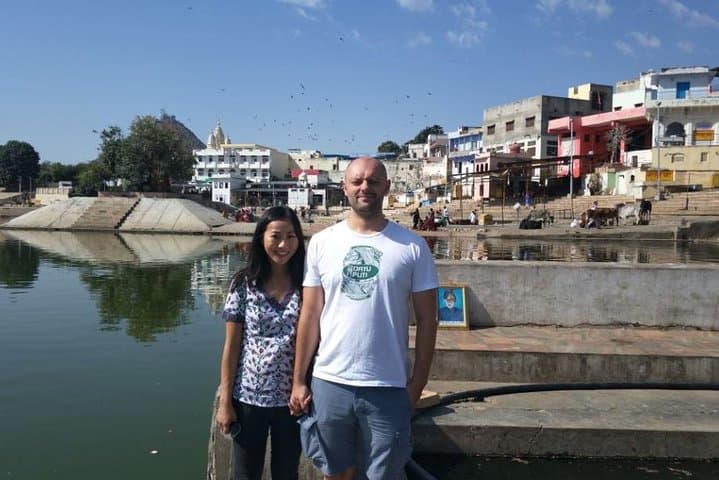
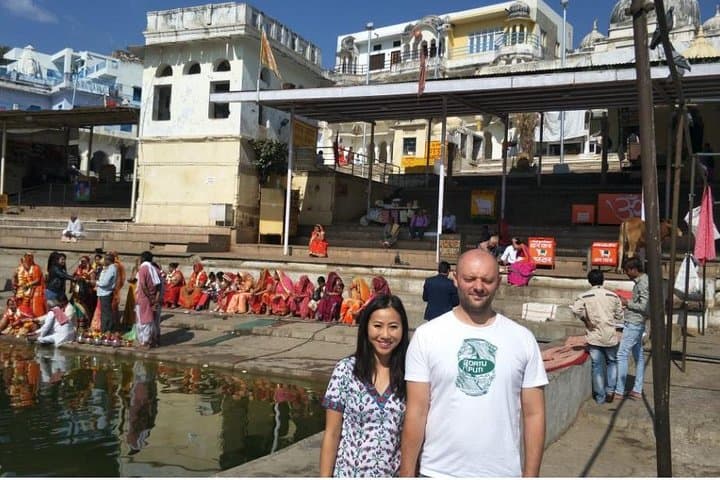
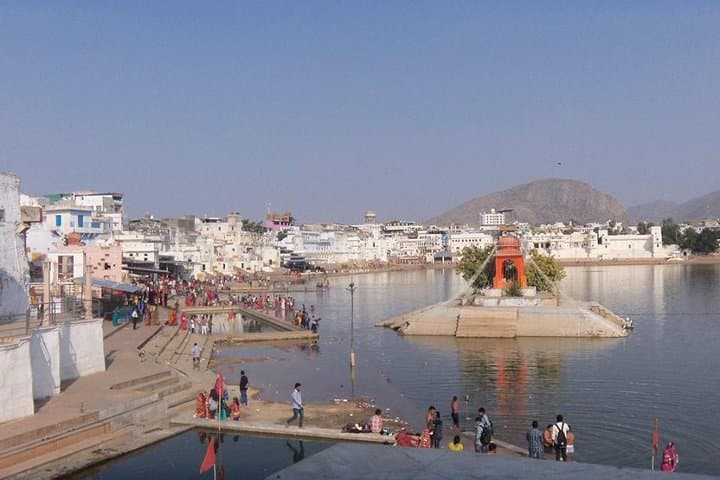
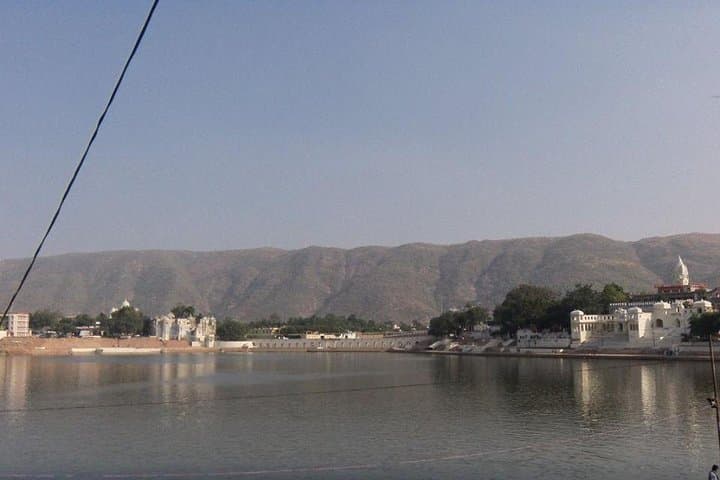
You arrive from Jaipur as the road eases into the low, ochre hills that hem Pushkar, and the valley opens to reveal a semi-circular lake ringed by tiers of stone ghats. The air carries incense and the steady clack of brass bells; vendors arrange marigolds while the lake’s surface dares you to pause.
You arrive from Jaipur as the road eases into the low, ochre hills that hem Pushkar, and the valley opens to reveal a semi-circular lake ringed by tiers of stone ghats. The air carries incense and the steady clack of brass bells; vendors arrange marigolds while the lake’s surface dares you to pause.
Pushkar’s story is straightforward: a lotus dropped by Lord Brahma created the lake, and pilgrims have come here for centuries to bathe at the 52 ghats and visit the lone Brahma temple. Geologically the area is ancient sedimentary plain punctuated by wind-sculpted sand dunes and small hillocks—Savtri Hill offers a short climb and a clear view of the valley and its temples.
Culturally, Pushkar mixes devotion and commerce; expect temple rituals interspersed with bazaars selling textiles, incense and camel leatherwork. The Brahma temple’s red spire and four-faced idol are the focal point for many; nearby Savitri Temple rewards a 10–15 minute stair ascent with sweeping lake views.
Practically, this is a full-day outing from Jaipur (roughly 2.5 hours each way). Wear sturdy, non-slip shoes for the ghats and temple steps, carry sun protection and water, and allow time for photography, shopping and a quiet dip if you choose. Respect local customs at sacred sites: modest clothing, remove shoes, and decline flash photography inside sanctums.
A same-day tour is efficient: air-conditioned transport, bottled water and pick-up/drop-off are typical inclusions, leaving you to focus on the landscape, the ritual life, and the slow rhythm of Pushkar’s lakeside ghats.