THE ADVENTURE COLLECTIVE® · Independent discovery and booking for outdoor travel

See the Taj Mahal, Agra Fort and I'timād-ud-Daulah in a single day with a private vehicle and local guide. This practical guide explains what to expect, when to go, and how to prepare for one full day of Mughal history and intense photography opportunities.
See the Taj Mahal, Agra Fort and I'timād-ud-Daulah in a single day with a private vehicle and local guide. This practical guide explains what to expect, when to go, and how to prepare for one full day of Mughal history and intense photography opportunities.
You arrive before the crowds, the roadfall whispering under the tyres as the Yamuna broadens into a silver ribbon. The Taj Mahal appears like a pale promise across manicured gardens—marble catching the first light and daring you to slow down. A private car and driver make the approach efficient; a government-approved guide translates stones into stories as you move through layered courtyards.
Verified experiences and guided adventures in the surrounding area.
Operated by IP Travel Lines · Agra, Uttar Pradesh
You arrive before the crowds, the roadfall whispering under the tyres as the Yamuna broadens into a silver ribbon. The Taj Mahal appears like a pale promise across manicured gardens—marble catching the first light and daring you to slow down. A private car and driver make the approach efficient; a government-approved guide translates stones into stories as you move through layered courtyards.
This route stitches together Mughal history and urban heat: Shah Jahan’s grief made manifest in the 17th-century mausoleum; the red-sandstone Agra Fort where emperors planned cities and wars; and I'timād-ud-Daulah, the smaller “jewel box” that previews later marble inlay work. Geologically the monuments sit on alluvial plains of the Ganges basin—soft silt that shaped river channels and the old city’s layout. Culturally, Agra mixes Urdu, Hindi and a cuisine heavy on dairy and spices; bazaars hum with inlay artisans and petha sweets.
Practicalities matter: plan an early pickup to catch softer light and cooler air; security screening at the Taj can take time, and certain items are prohibited. Wear sturdy walking shoes for uneven courtyards, carry a refillable water bottle, and keep small bills for restroom fees and market purchases. If you’re prone to heat, schedule the tour between October and March or insist on an early morning slot. The day is long—expect an eight- to ten-hour round trip from Delhi—but efficient transport and a focused guide turn travel time into a manageable, deeply visual history lesson.
easy.
8–10 hours.
Suitable for travelers in average physical condition; involves moderate walking on paved and uneven surfaces.
Most tour listings do not include monument entry fees—confirm with the operator and be prepared to pay tickets on arrival if not included.
Driving on the expressway typically takes about 3 to 4 hours each way depending on traffic; factor in extra time for stops and security checks.
Yes—many travelers prefer an early visit; coordinate an early pickup with your operator and check monument opening times and any full-moon closures.
Modest clothing is advised out of respect for local norms; comfortable, breathable fabrics work best and some sites prohibit shoes or large bags inside certain chambers.
The Taj Mahal was commissioned in 1632 by Mughal emperor Shah Jahan as a mausoleum for Mumtaz Mahal; Agra Fort served as the Mughal capital’s military and administrative hub until the mid-17th century.
Air pollution and river health have threatened marble surfaces and heritage integrity—visitors can help by avoiding litter, following site rules, and using authorized transport and guides.
IP Travel Lines operates guided outdoor trips and adventures with an emphasis on safety, stewardship, and memorable experiences.
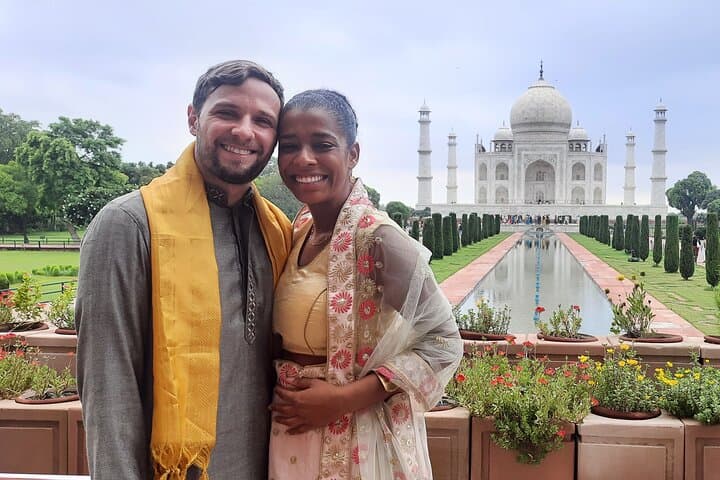

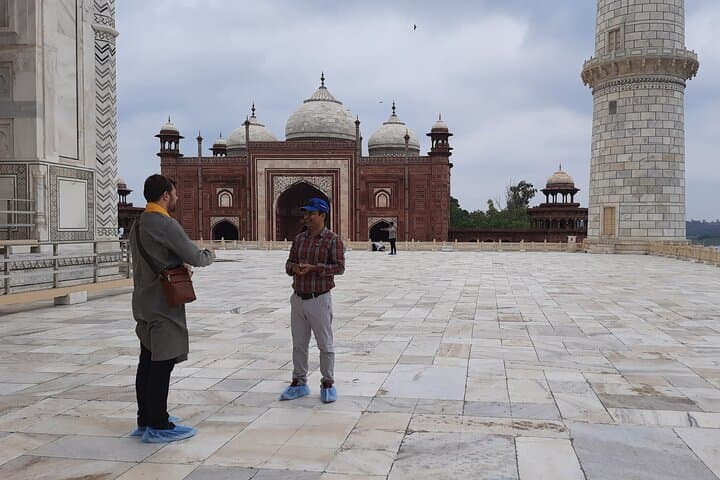

You arrive before the crowds, the roadfall whispering under the tyres as the Yamuna broadens into a silver ribbon. The Taj Mahal appears like a pale promise across manicured gardens—marble catching the first light and daring you to slow down. A private car and driver make the approach efficient; a government-approved guide translates stones into stories as you move through layered courtyards.
You arrive before the crowds, the roadfall whispering under the tyres as the Yamuna broadens into a silver ribbon. The Taj Mahal appears like a pale promise across manicured gardens—marble catching the first light and daring you to slow down. A private car and driver make the approach efficient; a government-approved guide translates stones into stories as you move through layered courtyards.
This route stitches together Mughal history and urban heat: Shah Jahan’s grief made manifest in the 17th-century mausoleum; the red-sandstone Agra Fort where emperors planned cities and wars; and I'timād-ud-Daulah, the smaller “jewel box” that previews later marble inlay work. Geologically the monuments sit on alluvial plains of the Ganges basin—soft silt that shaped river channels and the old city’s layout. Culturally, Agra mixes Urdu, Hindi and a cuisine heavy on dairy and spices; bazaars hum with inlay artisans and petha sweets.
Practicalities matter: plan an early pickup to catch softer light and cooler air; security screening at the Taj can take time, and certain items are prohibited. Wear sturdy walking shoes for uneven courtyards, carry a refillable water bottle, and keep small bills for restroom fees and market purchases. If you’re prone to heat, schedule the tour between October and March or insist on an early morning slot. The day is long—expect an eight- to ten-hour round trip from Delhi—but efficient transport and a focused guide turn travel time into a manageable, deeply visual history lesson.