THE ADVENTURE COLLECTIVE® · Independent discovery and booking for outdoor travel

Make the long haul from Delhi count: a private, same-day drive to Jaipur covers Amber Fort, City Palace, Hawa Mahal and the city’s colorful bazaars. Expect steep ramps, artisan workshops, and a day of brisk walking paired with deep cultural context.
Make the long haul from Delhi count: a private, same-day drive to Jaipur covers Amber Fort, City Palace, Hawa Mahal and the city’s colorful bazaars. Expect steep ramps, artisan workshops, and a day of brisk walking paired with deep cultural context.
You arrive before sunrise on the broad avenue into Jaipur, the city’s pink sandstone façades warming as the sun climbs. The car eases through traffic and the first silhouette to grab you is Amber Fort on its rocky outcrop — a blend of ramped approach and carved marble chambers that invites slow exploration.
Verified experiences and guided adventures in the surrounding area.
Operated by Kaimur Holidays · Jaipur, Rajasthan
You arrive before sunrise on the broad avenue into Jaipur, the city’s pink sandstone façades warming as the sun climbs. The car eases through traffic and the first silhouette to grab you is Amber Fort on its rocky outcrop — a blend of ramped approach and carved marble chambers that invites slow exploration.
Founded in 1727 by Maharaja Sawai Jai Singh II, Jaipur was planned on a grid and painted pink in the 19th century to signal hospitality. Geologically the city perches on the eastern edge of the Aravalli Range; many palaces and walls are built from locally quarried sandstone and marble, giving the streets their warm, sandy hue. Culture is immediate here: men in bright turbans, women threading bangles at market stalls, and artisans shaping blue pottery and gemstone jewelry in narrow lanes.
History and craft sit alongside practical realities. Expect 3–5 km of walking across uneven stone floors, cobbled bazaars and stepped ramps at Amber Fort — plan for roughly 100–150 m of climbing through fort levels. The tour’s pace is brisk to fit Amber Fort, City Palace, Hawa Mahal (Wind Palace) and the Lake Palace viewpoints into a single day; admissions are typically not included.
Practical tips: begin early to avoid Delhi–Jaipur traffic and midday heat, carry a reusable water bottle and sun protection, and wear closed-toe shoes for the fort’s steps. Bring small notes for markets and be ready to haggle politely. With a local guide to read architecture and point out artisan workshops, a single day becomes a dense, travel-rich snapshot of Jaipur that favors curiosity and stamina over leisure.
moderate.
13–16 hours.
Moderate fitness; involves several hours of walking and climbs up stairs and ramps—suitable for travelers who can manage 3–5 km on uneven surfaces.
The drive typically takes 4–5 hours one-way depending on traffic and departure time; early departures reduce travel time.
Admissions are generally not included in the basic private tour price—bring cash or card for ticket purchases or confirm with your operator in advance.
It can be, but the day is long and includes stair climbs at Amber Fort; travelers should be comfortable with extended car time and moderate walking.
Yes—guides often take groups to recommended bazaars and workshops; carry small notes and be prepared to bargain politely.
Jaipur was laid out in a planned grid by Maharaja Sawai Jai Singh II in 1727 and later painted pink to honor a royal visit; Rajput and Mughal architectural influences appear throughout the city.
Water is scarce in the region and many sites run conservation programs; minimize single-use plastics and respect protected interiors and heritage fabric.
Kaimur Holidays operates guided outdoor trips and adventures with an emphasis on safety, stewardship, and memorable experiences.
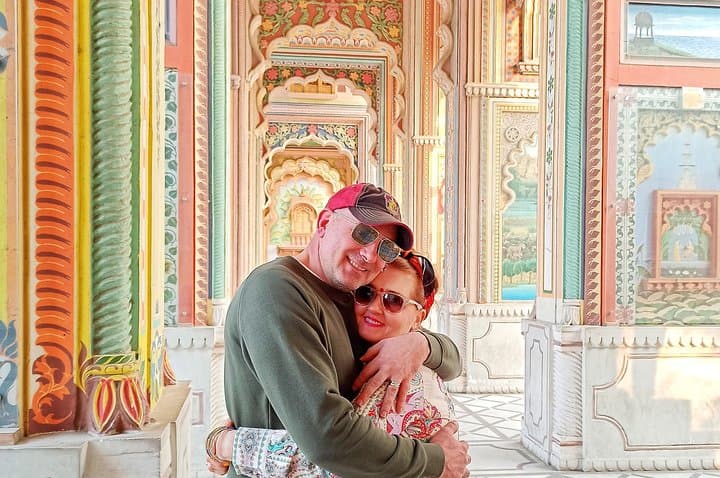
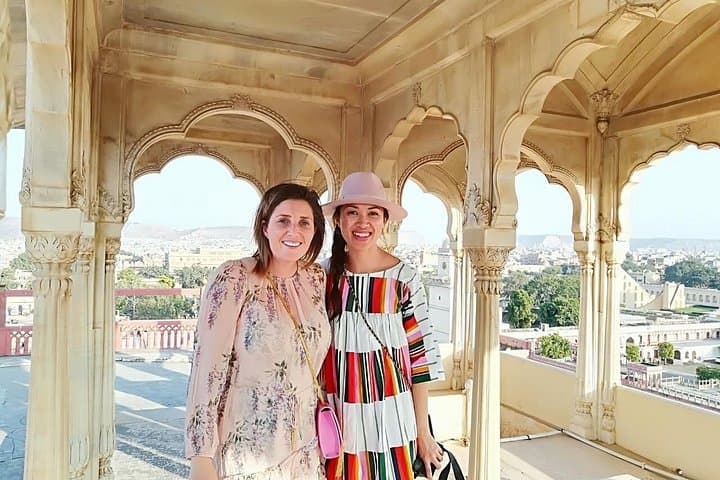
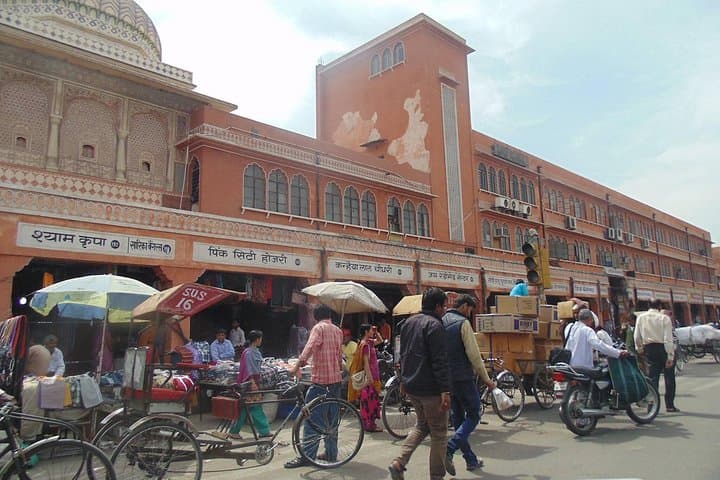
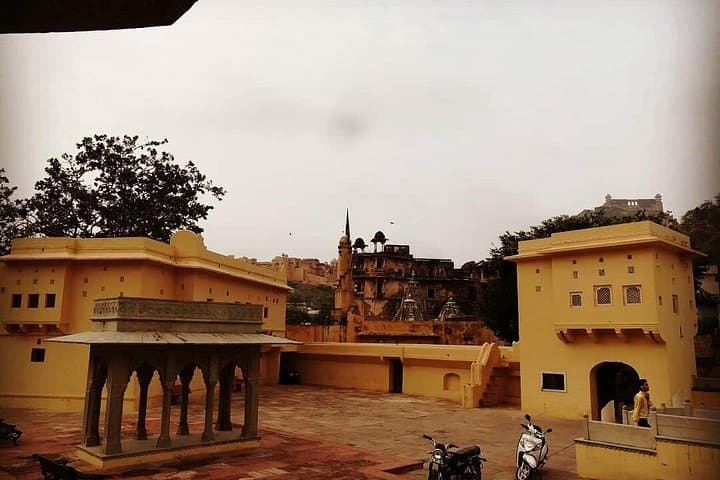
You arrive before sunrise on the broad avenue into Jaipur, the city’s pink sandstone façades warming as the sun climbs. The car eases through traffic and the first silhouette to grab you is Amber Fort on its rocky outcrop — a blend of ramped approach and carved marble chambers that invites slow exploration.
You arrive before sunrise on the broad avenue into Jaipur, the city’s pink sandstone façades warming as the sun climbs. The car eases through traffic and the first silhouette to grab you is Amber Fort on its rocky outcrop — a blend of ramped approach and carved marble chambers that invites slow exploration.
Founded in 1727 by Maharaja Sawai Jai Singh II, Jaipur was planned on a grid and painted pink in the 19th century to signal hospitality. Geologically the city perches on the eastern edge of the Aravalli Range; many palaces and walls are built from locally quarried sandstone and marble, giving the streets their warm, sandy hue. Culture is immediate here: men in bright turbans, women threading bangles at market stalls, and artisans shaping blue pottery and gemstone jewelry in narrow lanes.
History and craft sit alongside practical realities. Expect 3–5 km of walking across uneven stone floors, cobbled bazaars and stepped ramps at Amber Fort — plan for roughly 100–150 m of climbing through fort levels. The tour’s pace is brisk to fit Amber Fort, City Palace, Hawa Mahal (Wind Palace) and the Lake Palace viewpoints into a single day; admissions are typically not included.
Practical tips: begin early to avoid Delhi–Jaipur traffic and midday heat, carry a reusable water bottle and sun protection, and wear closed-toe shoes for the fort’s steps. Bring small notes for markets and be ready to haggle politely. With a local guide to read architecture and point out artisan workshops, a single day becomes a dense, travel-rich snapshot of Jaipur that favors curiosity and stamina over leisure.