THE ADVENTURE COLLECTIVE® · Independent discovery and booking for outdoor travel

See Jaipur’s major sites in a single, well-paced day from Delhi. This private car tour covers Amber Fort, Hawa Mahal, City Palace and Jantar Mantar with hotel pickup and guided commentary.
See Jaipur’s major sites in a single, well-paced day from Delhi. This private car tour covers Amber Fort, Hawa Mahal, City Palace and Jantar Mantar with hotel pickup and guided commentary.
Morning light spreads across the highway as your driver steers out of New Delhi and the city’s hum gives way to open plains. By mid-morning the pink facades of Jaipur appear on the horizon, the Amber Fort rising like a fortress that remembers the river-fed days of Rajput kings. The day unfolds as a moving portrait: Jal Mahal floating in Man Sagar Lake, Hawa Mahal’s latticed façade breathing the desert breeze, the City Palace’s ornate courtyards, and the astronomer’s instruments at Jantar Mantar pointing to older ways of measuring time.
Verified experiences and guided adventures in the surrounding area.
Operated by India Golden Triangle Tour · Jaipur, Rajasthan
Morning light spreads across the highway as your driver steers out of New Delhi and the city’s hum gives way to open plains. By mid-morning the pink facades of Jaipur appear on the horizon, the Amber Fort rising like a fortress that remembers the river-fed days of Rajput kings. The day unfolds as a moving portrait: Jal Mahal floating in Man Sagar Lake, Hawa Mahal’s latticed façade breathing the desert breeze, the City Palace’s ornate courtyards, and the astronomer’s instruments at Jantar Mantar pointing to older ways of measuring time.
Jaipur was laid out in 1727 by Maharaja Sawai Jai Singh II as a planned capital; the grid streets and defensive walls reflect practical city-making as much as aesthetic. Geologically, the region sits on Aravalli foothills — the local stone gives monuments their warm hues and the surrounding scrubland shapes short, intense monsoons. Culturally the city still hums with bazaars where block-printed textiles and brass work change hands; vendors and guides provide living context for the monuments you visit.
Practically, this is a long day: expect a 10–12 hour round trip from Delhi with several short walks and stair climbs at heritage sites. Bring sun protection, comfortable walking shoes, and a bottle to refill. Photography windows are brief at popular sites, so plan your shots early. Allow time for a relaxed lunch and some shopping if you want local crafts. The structure of a private car tour makes the day efficient — you cover highlights without the guesswork of transit, but you’ll spend much of the day on the road, so pace yourself and hydrate.
easy.
10–12 hours.
Suitable for most fitness levels; requires ability to walk short distances and climb stairs intermittently.
The drive from central Delhi to Jaipur is about 4–5 hours each way depending on traffic; total driving time for the day is roughly 8–10 hours.
Admission fees are typically not included; plan to pay on-site for Amber Fort, City Palace, and other monuments.
Lunch is not included but the itinerary includes a stop at a local restaurant where you can pay for your meal.
Families can join; infants must sit on an adult’s lap in the vehicle and the pace is manageable for children used to long days.
Jaipur was designed as a grid city by Maharaja Sawai Jai Singh II in 1727, combining defensive planning with palace-centric urban design.
High visitor numbers put pressure on fragile monuments and local water resources; opt for refillable bottles, follow signage, and support certified local guides.
India Golden Triangle Tour operates guided outdoor trips and adventures with an emphasis on safety, stewardship, and memorable experiences.
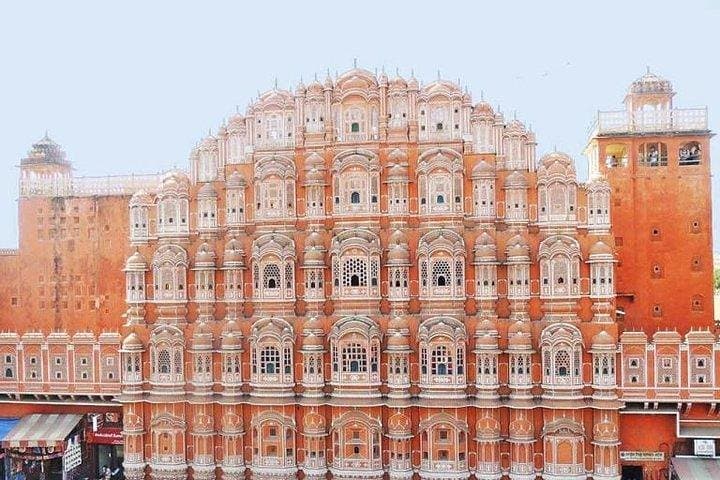
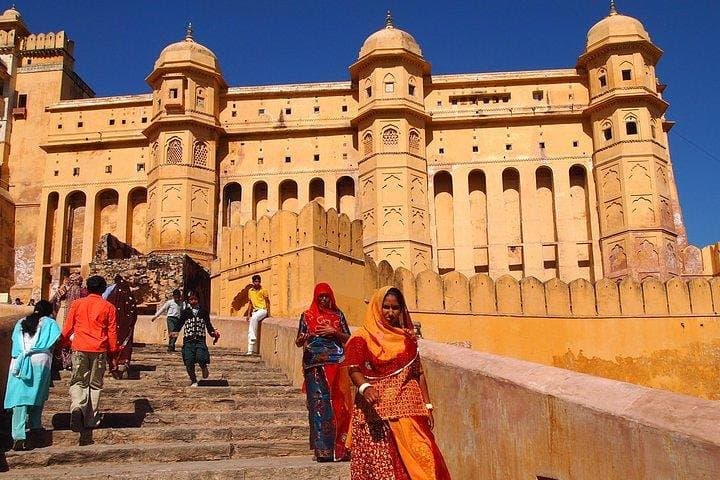
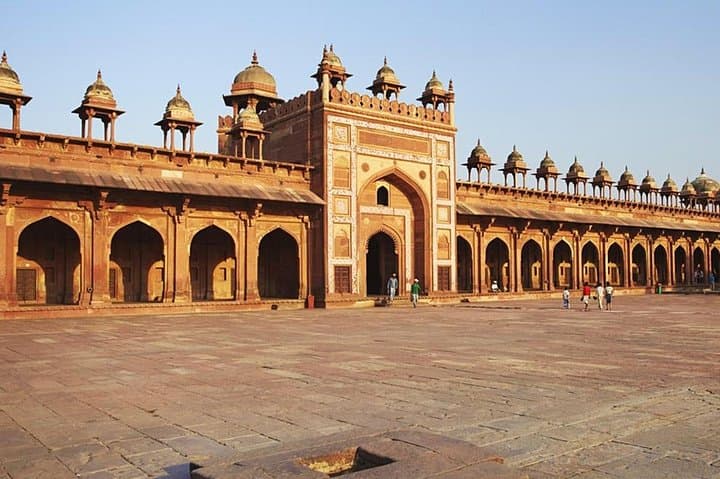
Morning light spreads across the highway as your driver steers out of New Delhi and the city’s hum gives way to open plains. By mid-morning the pink facades of Jaipur appear on the horizon, the Amber Fort rising like a fortress that remembers the river-fed days of Rajput kings. The day unfolds as a moving portrait: Jal Mahal floating in Man Sagar Lake, Hawa Mahal’s latticed façade breathing the desert breeze, the City Palace’s ornate courtyards, and the astronomer’s instruments at Jantar Mantar pointing to older ways of measuring time.
Morning light spreads across the highway as your driver steers out of New Delhi and the city’s hum gives way to open plains. By mid-morning the pink facades of Jaipur appear on the horizon, the Amber Fort rising like a fortress that remembers the river-fed days of Rajput kings. The day unfolds as a moving portrait: Jal Mahal floating in Man Sagar Lake, Hawa Mahal’s latticed façade breathing the desert breeze, the City Palace’s ornate courtyards, and the astronomer’s instruments at Jantar Mantar pointing to older ways of measuring time.
Jaipur was laid out in 1727 by Maharaja Sawai Jai Singh II as a planned capital; the grid streets and defensive walls reflect practical city-making as much as aesthetic. Geologically, the region sits on Aravalli foothills — the local stone gives monuments their warm hues and the surrounding scrubland shapes short, intense monsoons. Culturally the city still hums with bazaars where block-printed textiles and brass work change hands; vendors and guides provide living context for the monuments you visit.
Practically, this is a long day: expect a 10–12 hour round trip from Delhi with several short walks and stair climbs at heritage sites. Bring sun protection, comfortable walking shoes, and a bottle to refill. Photography windows are brief at popular sites, so plan your shots early. Allow time for a relaxed lunch and some shopping if you want local crafts. The structure of a private car tour makes the day efficient — you cover highlights without the guesswork of transit, but you’ll spend much of the day on the road, so pace yourself and hydrate.