THE ADVENTURE COLLECTIVE® · Independent discovery and booking for outdoor travel

A single long day connects Delhi to Jaipur’s royal palaces and observatories—Amber Fort’s ramparts, the floating Jal Mahal, City Palace, Jantar Mantar, and Hawa Mahal’s latticed windows. Expect a fast-paced cultural snapshot with practical tips to keep the day smooth.
A single long day connects Delhi to Jaipur’s royal palaces and observatories—Amber Fort’s ramparts, the floating Jal Mahal, City Palace, Jantar Mantar, and Hawa Mahal’s latticed windows. Expect a fast-paced cultural snapshot with practical tips to keep the day smooth.
You leave Delhi before dawn, the highway unspooling as the car hums toward Rajasthan and the Pink City waits with sun-bleached facades and busy bazaars. By mid-morning the sandstone silhouette of Jaipur Fort rises on the hill, its ramparts appearing as if shaped by centuries of wind and human hands.
Verified experiences and guided adventures in the surrounding area.
Operated by Joyful Holidays · Jaipur, Rajasthan
You leave Delhi before dawn, the highway unspooling as the car hums toward Rajasthan and the Pink City waits with sun-bleached facades and busy bazaars. By mid-morning the sandstone silhouette of Jaipur Fort rises on the hill, its ramparts appearing as if shaped by centuries of wind and human hands.
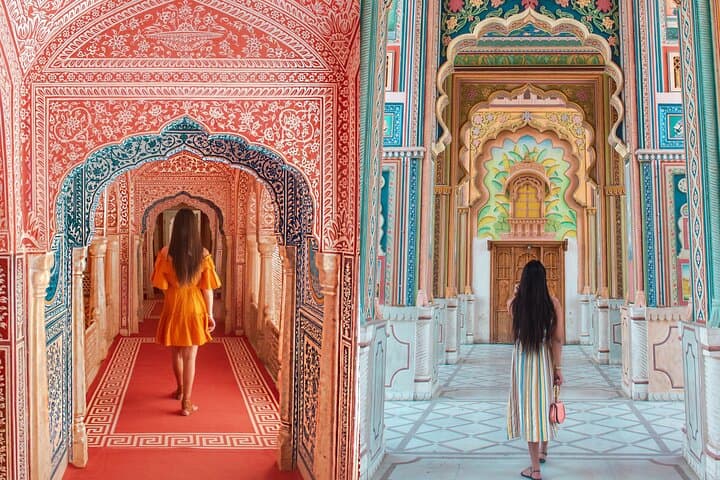
Jaipur was founded in 1727 by Maharaja Sawai Jai Singh II and planned on a grid—one of the few premodern cities laid out with urban design in mind. The city’s geology is Aravalli foothills and red sandstone; that ochre-red palette defines Amber Fort and the palaces that follow. Cultural layers—Rajput courts, Mughal influences, and later European touches—show in carved jharokhas, Mughal arches, and the City Palace’s composite architecture.
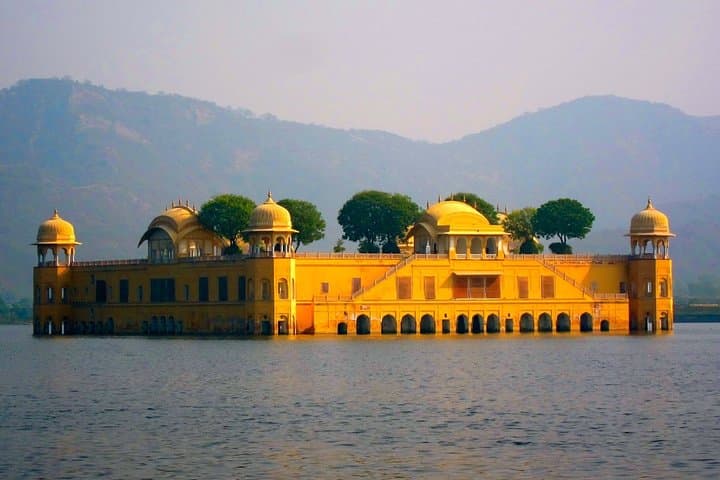
The itinerary moves from Amber Fort’s courtyards to the reflective Jal Mahal, then into the guarded gates of City Palace and the astronomical instruments at Jantar Mantar, finishing with the honeycomb windows of Hawa Mahal that once let royal women watch processions unseen.
Practical guidance: expect a long day—12–14 hours round trip—so plan for a light but robust routine: comfortable shoes for uneven stone and steps, sun protection, and a small daypack for water and documents. Confirm pick-up time and traffic buffer with your operator; weather and local festivals can change access and timing. This private transfer format gives flexibility for quick stops and photos, but allows only a single-day snapshot—best for travelers who want an efficient cultural sweep rather than deep dives into Jaipur’s neighborhoods.
easy.
12–14 hours.
Suitable for most fitness levels but involves long periods of standing and walking over uneven surfaces; stamina for a full day is helpful.
The driving time is about 4–5 hours one way depending on traffic and route, making the round trip roughly 8–10 hours on the road.
Entry fees are included only if you select the all-inclusive option; otherwise you’ll pay admission on-site or as directed by your guide.
Yes—most itineraries include a lunch stop and short market visits, but time is limited so expect quick browsing rather than extended shopping.
Yes—transport and pacing are adjustable; however the day is long and includes stairs, so consider mobility and comfort needs.
Jaipur was one of India’s earliest planned cities, laid out by Jai Singh II in a grid with specific sectors for markets, palaces, and gardens, reflecting 18th-century urban design.
Visitors help preserve fragile frescoes and stonework by following marked paths and avoiding flash photography; use refillable bottles to reduce plastic waste.
Joyful Holidays operates guided outdoor trips and adventures with an emphasis on safety, stewardship, and memorable experiences.
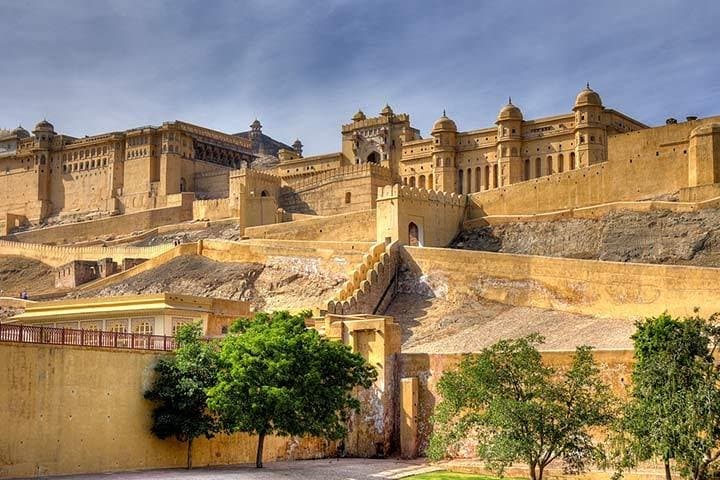
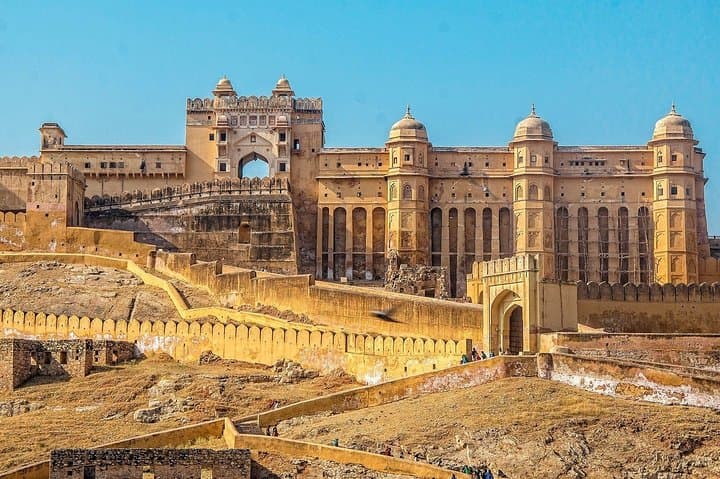
You leave Delhi before dawn, the highway unspooling as the car hums toward Rajasthan and the Pink City waits with sun-bleached facades and busy bazaars. By mid-morning the sandstone silhouette of Jaipur Fort rises on the hill, its ramparts appearing as if shaped by centuries of wind and human hands.
You leave Delhi before dawn, the highway unspooling as the car hums toward Rajasthan and the Pink City waits with sun-bleached facades and busy bazaars. By mid-morning the sandstone silhouette of Jaipur Fort rises on the hill, its ramparts appearing as if shaped by centuries of wind and human hands.
Jaipur was founded in 1727 by Maharaja Sawai Jai Singh II and planned on a grid—one of the few premodern cities laid out with urban design in mind. The city’s geology is Aravalli foothills and red sandstone; that ochre-red palette defines Amber Fort and the palaces that follow. Cultural layers—Rajput courts, Mughal influences, and later European touches—show in carved jharokhas, Mughal arches, and the City Palace’s composite architecture.
The itinerary moves from Amber Fort’s courtyards to the reflective Jal Mahal, then into the guarded gates of City Palace and the astronomical instruments at Jantar Mantar, finishing with the honeycomb windows of Hawa Mahal that once let royal women watch processions unseen.
Practical guidance: expect a long day—12–14 hours round trip—so plan for a light but robust routine: comfortable shoes for uneven stone and steps, sun protection, and a small daypack for water and documents. Confirm pick-up time and traffic buffer with your operator; weather and local festivals can change access and timing. This private transfer format gives flexibility for quick stops and photos, but allows only a single-day snapshot—best for travelers who want an efficient cultural sweep rather than deep dives into Jaipur’s neighborhoods.