THE ADVENTURE COLLECTIVE® · Independent discovery and booking for outdoor travel

Cover Agra’s key Mughal monuments in a single day from Delhi. This private car tour pairs efficient logistics with guided visits to Agra Fort, the Baby Taj and the Taj Mahal.
Cover Agra’s key Mughal monuments in a single day from Delhi. This private car tour pairs efficient logistics with guided visits to Agra Fort, the Baby Taj and the Taj Mahal.
The car hums onto the Yamuna Expressway at first light, and fields flatten into long, sunlit strips as Agra slides toward the windshield.
Verified experiences and guided adventures in the surrounding area.
Operated by Exquisite Xperiences · Agra, Uttar Pradesh
The car hums onto the Yamuna Expressway at first light, and fields flatten into long, sunlit strips as Agra slides toward the windshield.
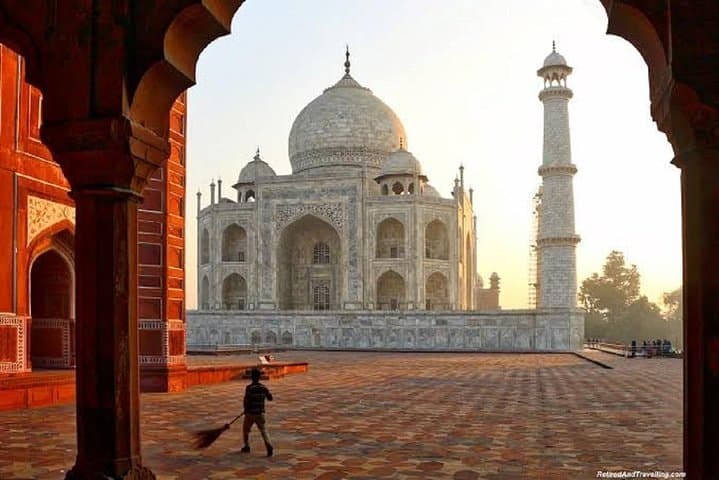
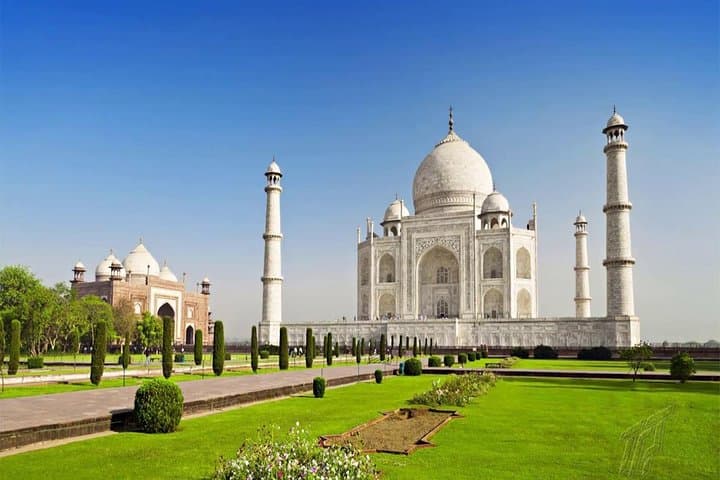
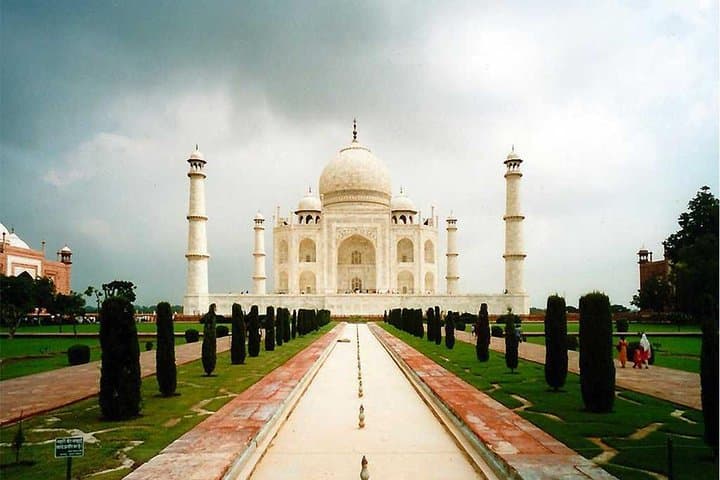
By midday you stand on manicured marble lawns, the Taj Mahal's dome catching light like a slow exhale. This is a tour of contrasts: fortified red sandstone walls at Agra Fort, the delicate pietra dura of the 'Baby Taj' (Itmad-ud-Daula), and the vast white symmetry of Shah Jahan’s mausoleum.
Agra sits on the alluvial plains of the Yamuna — silt-rich soils that enabled dense settlement and the flow of goods that funded Mughal craftsmanship. From Akbar’s 16th-century military citadel to Shah Jahan’s 17th-century monuments, the city records an architectural conversation between Persian, Islamic and local building traditions.
Local life keeps pace around these sites: morning pilgrims, marble inlay workshops tucked behind narrow streets, and riverside gardens where winds lift dust into eddies that briefly veil the façades.
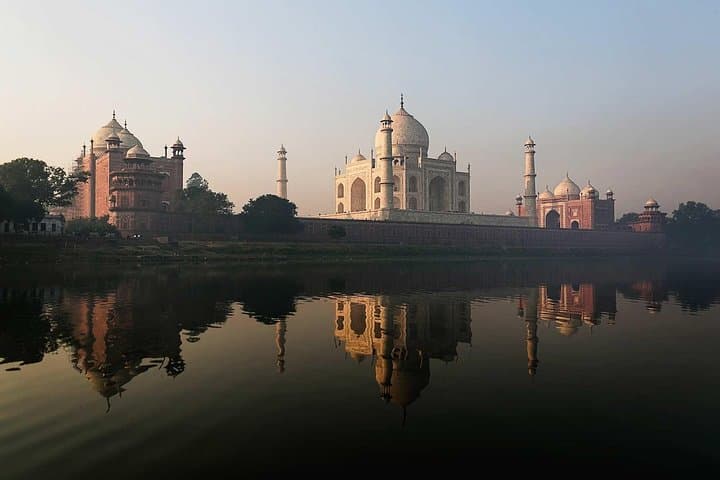
Practical guidance is straightforward: expect a long day — most operators run 12–13 hours round trip from Delhi — and security checks at each monument. Bring sun protection, bottled water, comfortable shoes and a copy of ID for ticketing. Look for early departures to avoid peak crowds at the Taj and schedule a brief pause at Mehtab Bagh across the river for a quieter view.
The rhythm of this same-day trip is driven by time and transit: punctual pickup, efficient stops at Agra Fort and Itmad-ud-Daula, two hours at the Taj, then a return drive. For travelers who want maximum exposure to Mughal heritage in one day, it’s a compact, practical immersion.
easy.
12–13 hours.
Suitable for most fitness levels; involves walking on paved and marble surfaces for up to two hours at a time.
The drive is about 3–4 hours each way via the Yamuna Expressway, depending on traffic and pickup location in Delhi.
Many operators include admission for the Taj and other sites; confirm at booking and carry ID for ticketing.
The itinerary notes wheelchair accessibility for transport and many surfaces, but some monument areas have steps; check specific accessibility needs with the operator.
Early morning at the Taj (sunrise) and weekdays are least crowded; late afternoon can be busy but offers softer light for photos.
Agra rose to prominence under the Mughal Empire; key monuments like Agra Fort and the Taj were built between the 16th and 17th centuries reflecting imperial patronage of art and architecture.
High visitor numbers and environmental stress put pressure on marble and inlay work; follow site rules, avoid touching delicate surfaces and support licensed guides and local conservation funds when available.
Exquisite Xperiences operates guided outdoor trips and adventures with an emphasis on safety, stewardship, and memorable experiences.
The car hums onto the Yamuna Expressway at first light, and fields flatten into long, sunlit strips as Agra slides toward the windshield.
The car hums onto the Yamuna Expressway at first light, and fields flatten into long, sunlit strips as Agra slides toward the windshield.
By midday you stand on manicured marble lawns, the Taj Mahal's dome catching light like a slow exhale. This is a tour of contrasts: fortified red sandstone walls at Agra Fort, the delicate pietra dura of the 'Baby Taj' (Itmad-ud-Daula), and the vast white symmetry of Shah Jahan’s mausoleum.
Agra sits on the alluvial plains of the Yamuna — silt-rich soils that enabled dense settlement and the flow of goods that funded Mughal craftsmanship. From Akbar’s 16th-century military citadel to Shah Jahan’s 17th-century monuments, the city records an architectural conversation between Persian, Islamic and local building traditions.
Local life keeps pace around these sites: morning pilgrims, marble inlay workshops tucked behind narrow streets, and riverside gardens where winds lift dust into eddies that briefly veil the façades.
Practical guidance is straightforward: expect a long day — most operators run 12–13 hours round trip from Delhi — and security checks at each monument. Bring sun protection, bottled water, comfortable shoes and a copy of ID for ticketing. Look for early departures to avoid peak crowds at the Taj and schedule a brief pause at Mehtab Bagh across the river for a quieter view.
The rhythm of this same-day trip is driven by time and transit: punctual pickup, efficient stops at Agra Fort and Itmad-ud-Daula, two hours at the Taj, then a return drive. For travelers who want maximum exposure to Mughal heritage in one day, it’s a compact, practical immersion.