THE ADVENTURE COLLECTIVE® · Independent discovery and booking for outdoor travel

Spend a compact day exploring two of Rajasthan’s most distinct spiritual centers: Pushkar’s rare Brahma Temple and sacred lake, followed by the Sufi shrine Ajmer Sharif. This practical guide covers what to expect, timing, and how to prepare for the day.
Spend a compact day exploring two of Rajasthan’s most distinct spiritual centers: Pushkar’s rare Brahma Temple and sacred lake, followed by the Sufi shrine Ajmer Sharif. This practical guide covers what to expect, timing, and how to prepare for the day.
The day opens on a dusty Rajasthan road as the air-conditioned car pulls away from Jaipur and the horizon flattens into ochre and scrub. By mid-morning the group steps into Pushkar’s narrow lanes; prayer bells and shopkeepers’ calls press close, while the lake’s ring of stone ghats holds a stillness that seems to measure time differently.
Verified experiences and guided adventures in the surrounding area.
Operated by India Tours Information · Pushkar, Rajasthan
The day opens on a dusty Rajasthan road as the air-conditioned car pulls away from Jaipur and the horizon flattens into ochre and scrub. By mid-morning the group steps into Pushkar’s narrow lanes; prayer bells and shopkeepers’ calls press close, while the lake’s ring of stone ghats holds a stillness that seems to measure time differently.
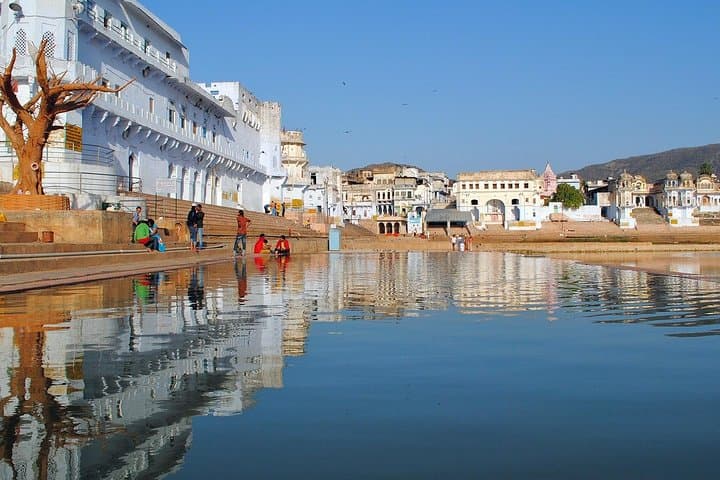
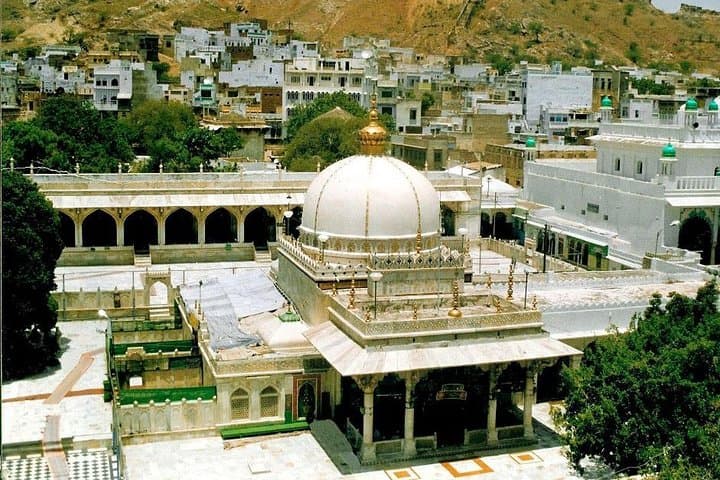
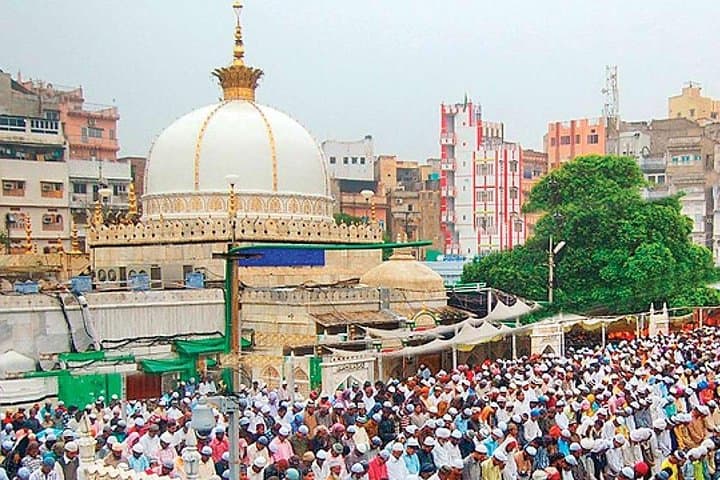
Pushkar’s 14th-century Jagatpita Brahma Mandir crowns the town with a striking red shikhara and an unusual four-faced image of Brahma — one of only a handful of temples in the world dedicated to the creator god. Geologically the region sits on the arid plains edging the Thar Desert, where wind-polished sandstone and sparse thorn scrub shape views and shade. Cultural life here revolves around the lake and its 52 ghats: pilgrims perform ablutions, offer prayers, and light diyas at dusk. On the return route, Ajmer Sharif Dargah presents a different spiritual register — a Sufi shrine centered on the tomb of Moinuddin Chishti whose marble-domed courtyard attracts devotees year-round.
Practical guidance: expect a full day leaving around 8:00 a.m., with short walks on uneven stone steps and cobbled lanes. Dress modestly (shoulders and knees covered) and bring cash for offerings and small purchases. Hydrate in advance and carry sunscreen and a hat for the exposed stretches between sites. Photography is welcomed but be mindful at the Dargah and during rituals at the ghats. If you want quieter moments, plan for early morning at the lake or late afternoon for rooftop views over the ghats.
easy.
8–10 hours.
Light fitness required—able to walk short distances, climb steps and stand during temple visits
Pickup typically begins around 8:00 a.m.; the full-day excursion runs about 8–10 hours depending on traffic and group size.
Yes—modest clothing that covers shoulders and knees is required; remove shoes when entering temple interiors and follow local guidance at the Dargah.
The standard inclusions list bottled water and sometimes afternoon tea; full meals are not included, but vegetarian restaurants and roadside eateries are readily available in both towns.
Not recommended for travelers who have difficulty with stairs or long periods of standing—the ghats and temple complexes require negotiating steps and uneven ground.
Pushkar is an ancient pilgrimage town centered on a sacred lake and the 14th-century Brahma Mandir; Ajmer’s Sharif Dargah marks the tomb of Sufi saint Moinuddin Chishti and has been a cross-cultural shrine for centuries.
High foot traffic and ritual offerings put pressure on Pushkar Lake’s shoreline—support local conservation by avoiding plastic, using marked paths, and making modest, eco-friendly donations.
India Tours Information operates guided outdoor trips and adventures with an emphasis on safety, stewardship, and memorable experiences.
The day opens on a dusty Rajasthan road as the air-conditioned car pulls away from Jaipur and the horizon flattens into ochre and scrub. By mid-morning the group steps into Pushkar’s narrow lanes; prayer bells and shopkeepers’ calls press close, while the lake’s ring of stone ghats holds a stillness that seems to measure time differently.
The day opens on a dusty Rajasthan road as the air-conditioned car pulls away from Jaipur and the horizon flattens into ochre and scrub. By mid-morning the group steps into Pushkar’s narrow lanes; prayer bells and shopkeepers’ calls press close, while the lake’s ring of stone ghats holds a stillness that seems to measure time differently.
Pushkar’s 14th-century Jagatpita Brahma Mandir crowns the town with a striking red shikhara and an unusual four-faced image of Brahma — one of only a handful of temples in the world dedicated to the creator god. Geologically the region sits on the arid plains edging the Thar Desert, where wind-polished sandstone and sparse thorn scrub shape views and shade. Cultural life here revolves around the lake and its 52 ghats: pilgrims perform ablutions, offer prayers, and light diyas at dusk. On the return route, Ajmer Sharif Dargah presents a different spiritual register — a Sufi shrine centered on the tomb of Moinuddin Chishti whose marble-domed courtyard attracts devotees year-round.
Practical guidance: expect a full day leaving around 8:00 a.m., with short walks on uneven stone steps and cobbled lanes. Dress modestly (shoulders and knees covered) and bring cash for offerings and small purchases. Hydrate in advance and carry sunscreen and a hat for the exposed stretches between sites. Photography is welcomed but be mindful at the Dargah and during rituals at the ghats. If you want quieter moments, plan for early morning at the lake or late afternoon for rooftop views over the ghats.