THE ADVENTURE COLLECTIVE® · Independent discovery and booking for outdoor travel

A 9-day homestay trek along the Singalila Ridge to Samdakphu offers expansive Himalayan panoramas, village hospitality and high-altitude ridge walking. Expect steep ascents, tea-country landscapes and dramatic early-morning views of Kangchenjunga and Everest.
A 9-day homestay trek along the Singalila Ridge to Samdakphu offers expansive Himalayan panoramas, village hospitality and high-altitude ridge walking. Expect steep ascents, tea-country landscapes and dramatic early-morning views of Kangchenjunga and Everest.
A thin light steals across rhododendron trunks as you climb from Mai Pokhari toward Samdakphu. The path alternates between red-cedar forest, tea terraces and open ridge; wind brushes past like a guide, urging progress up to 3,636 m where the village perches on the Singalila Ridge. From the summit hostels, the day unfolds in jagged silhouettes—Kangchenjunga to the east, Everest and Lhotse faint on the horizon—an alpine register of Himalayan giants.
Verified experiences and guided adventures in the surrounding area.
Operated by Mega Mount Trekking Expedition P. Ltd · Ilam, Koshi Province
A thin light steals across rhododendron trunks as you climb from Mai Pokhari toward Samdakphu. The path alternates between red-cedar forest, tea terraces and open ridge; wind brushes past like a guide, urging progress up to 3,636 m where the village perches on the Singalila Ridge. From the summit hostels, the day unfolds in jagged silhouettes—Kangchenjunga to the east, Everest and Lhotse faint on the horizon—an alpine register of Himalayan giants.
The route follows ancient trade and shepherd tracks on the edge of Kanchenjunga National Park, skirting high-altitude grasslands and small, weather-creased settlements that still practice terrace farming and tea cultivation. Geologically, the ridge is a sharp schist-and-granite spine carved by Himalayan uplift and monsoon erosion; culturally, the area is a mosaic of Nepali and Limbu mountain life and tea-plantation history from the colonial era.
Practical planning centers on acclimatization and logistics: the standard itinerary moves from Bhadrapur to Mai Pokhari, then steady stages to Maimajuwa, Kalpani and Sandakphu/Samdakphu with homestay nights. Expect single-track trails, steep stone steps, and sections exposed to brisk ridge wind. Bring layered insulation, a warm sleeping bag, and cash for village purchases; potable water can be limited, so treat or carry a filter. Start pre-dawn for summit light and clearer views; afternoons often cloud over. Moderate fitness with multi-day stamina is required rather than technical mountaineering skills. The trek rewards patience: close-up tea terraces, flocks of hill birds and the slow reveal of the Great Himalaya—sharp, elemental, and directly reachable by foot and local hospitality.
moderate.
8–9 days.
Suitable for hikers with regular aerobic fitness and experience on multi-day, uphill trails; ability to walk 4–6 hours daily with a daypack.
Spring (April–May) and fall (September–November) offer the clearest mountain views, stable weather and rhododendron or post-monsoon colors.
Trekking in the Kanchenjunga border region can require local permits and TIMS; check with your operator and carry ID or passport copies.
The trek is non-technical but involves long ascents to 3,636 m; beginners should train for full-day hikes and choose a paced itinerary with rest days.
Village homestays are basic but clean, offering local food and a warm bed; bring a warm sleeping bag and modest comforts like electrolyte mix and snacks.
The Singalila Ridge was a traditional route between Ilam and Darjeeling; tea cultivation and cross-border trade shaped villages along the trail.
Stay on trails and avoid single-use plastics; local communities depend on trekking income, so support homestays and follow park rules to protect fragile high-altitude habitats.
Mega Mount Trekking Expedition P. Ltd operates guided outdoor trips and adventures with an emphasis on safety, stewardship, and memorable experiences.
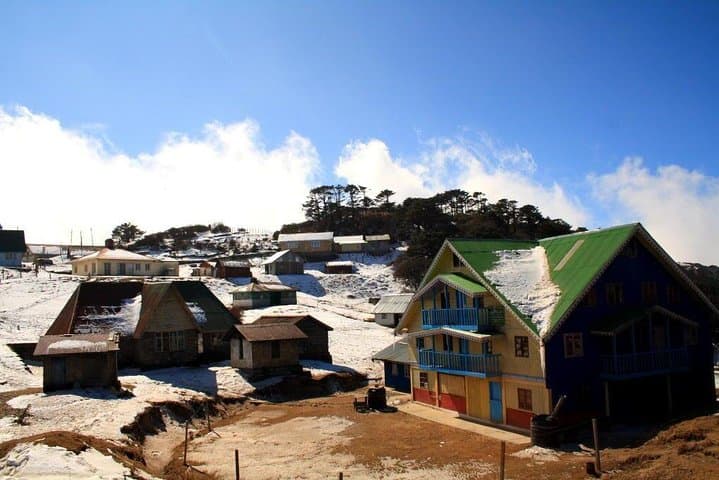
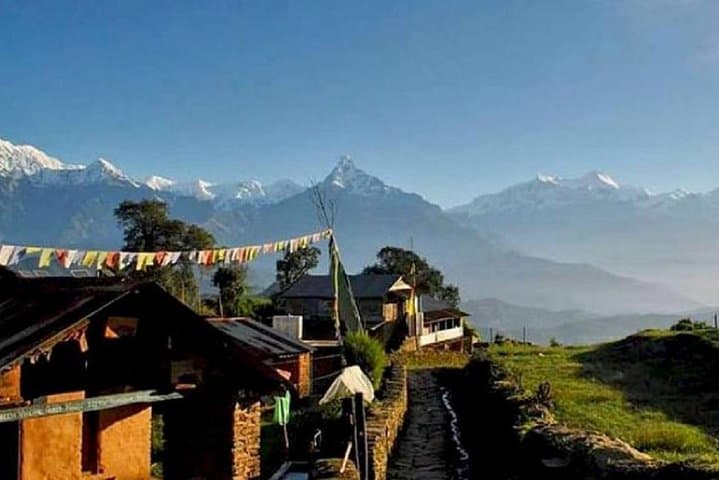
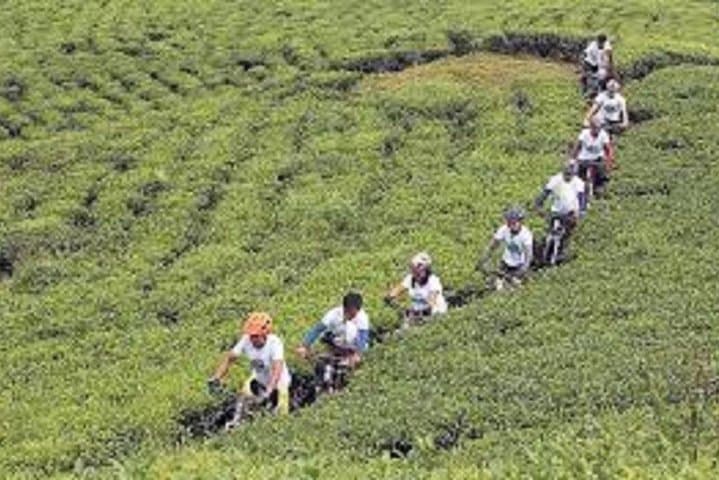
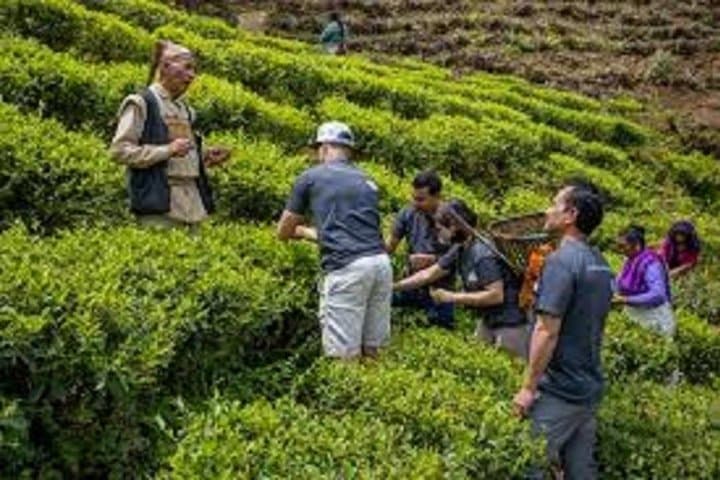
A thin light steals across rhododendron trunks as you climb from Mai Pokhari toward Samdakphu. The path alternates between red-cedar forest, tea terraces and open ridge; wind brushes past like a guide, urging progress up to 3,636 m where the village perches on the Singalila Ridge. From the summit hostels, the day unfolds in jagged silhouettes—Kangchenjunga to the east, Everest and Lhotse faint on the horizon—an alpine register of Himalayan giants.
A thin light steals across rhododendron trunks as you climb from Mai Pokhari toward Samdakphu. The path alternates between red-cedar forest, tea terraces and open ridge; wind brushes past like a guide, urging progress up to 3,636 m where the village perches on the Singalila Ridge. From the summit hostels, the day unfolds in jagged silhouettes—Kangchenjunga to the east, Everest and Lhotse faint on the horizon—an alpine register of Himalayan giants.
The route follows ancient trade and shepherd tracks on the edge of Kanchenjunga National Park, skirting high-altitude grasslands and small, weather-creased settlements that still practice terrace farming and tea cultivation. Geologically, the ridge is a sharp schist-and-granite spine carved by Himalayan uplift and monsoon erosion; culturally, the area is a mosaic of Nepali and Limbu mountain life and tea-plantation history from the colonial era.
Practical planning centers on acclimatization and logistics: the standard itinerary moves from Bhadrapur to Mai Pokhari, then steady stages to Maimajuwa, Kalpani and Sandakphu/Samdakphu with homestay nights. Expect single-track trails, steep stone steps, and sections exposed to brisk ridge wind. Bring layered insulation, a warm sleeping bag, and cash for village purchases; potable water can be limited, so treat or carry a filter. Start pre-dawn for summit light and clearer views; afternoons often cloud over. Moderate fitness with multi-day stamina is required rather than technical mountaineering skills. The trek rewards patience: close-up tea terraces, flocks of hill birds and the slow reveal of the Great Himalaya—sharp, elemental, and directly reachable by foot and local hospitality.