THE ADVENTURE COLLECTIVE® · Independent discovery and booking for outdoor travel

A one‑hour, instructor‑led samba lesson in the heart of Copacabana that mixes step-by-step technique with cultural context. Ideal for first‑timers and Carnival lovers who want a practical, high‑energy introduction to Brazil’s iconic dance.
A one‑hour, instructor‑led samba lesson in the heart of Copacabana that mixes step-by-step technique with cultural context. Ideal for first‑timers and Carnival lovers who want a practical, high‑energy introduction to Brazil’s iconic dance.
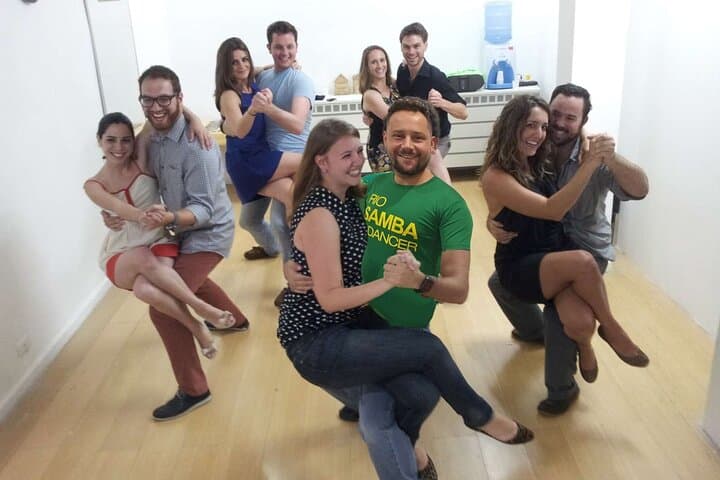
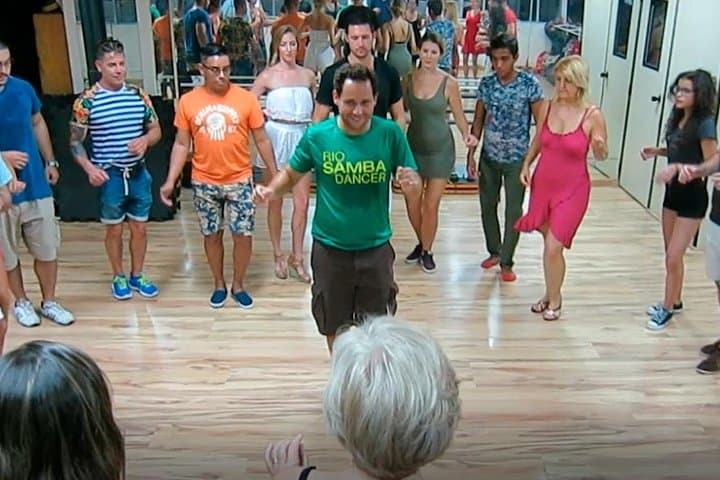
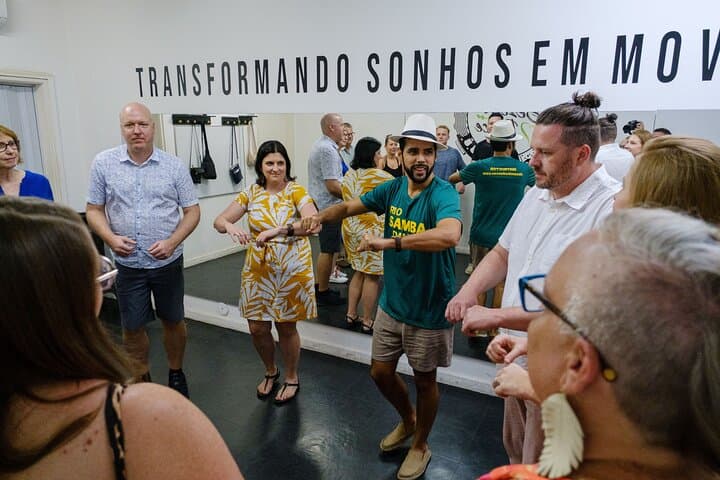
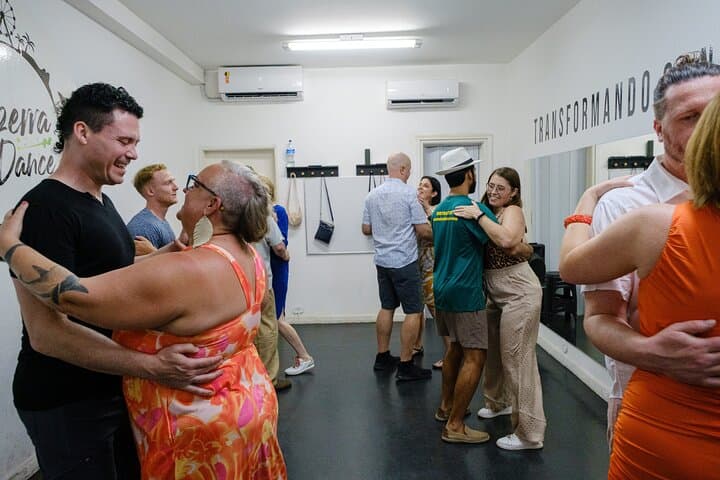
The studio door opens to the pulse of Rio — muffled drums from a nearby roda, the Atlantic breeze carrying salt and surf from Copacabana. In a bright, windowed room just off Avenida Atlântica, a line of learners of every age unwraps into rhythm, hips finding timing, feet answering a call older than the city itself.
Verified experiences and guided adventures in the surrounding area.
Operated by Rio Samba Dancer · Rio de Janeiro, Rio de Janeiro
The studio door opens to the pulse of Rio — muffled drums from a nearby roda, the Atlantic breeze carrying salt and surf from Copacabana. In a bright, windowed room just off Avenida Atlântica, a line of learners of every age unwraps into rhythm, hips finding timing, feet answering a call older than the city itself.
Samba grew out of Afro‑Brazilian communities in the early 20th century and became Rio’s defining popular expression, braided into Carnival, samba schools and neighborhood rodas. Copacabana’s shoreline and the nearby hills — the granite outlines of Sugarloaf and the green ribs of Tijuca — frame that culture; the ocean and city push the music into public life, and samba replies.
Expect a practical, upbeat class: one hour led by instructors who break down basic steps, posture and timing while explaining cultural context. Classes commonly include bottled water and multi‑lingual guidance; daytime sessions may let you try a carnival costume. The room is accessible from metro and buses, so it’s easy to combine with a morning on the sand or an afternoon wandering Fort Copacabana.
Plan to arrive with light shoes and a short warm‑up; stay hydrated and give yourself space to move. The lesson is social as much as technical — partners aren’t required — so be ready to learn from others and to laugh when coordination slips. Finish with a stroll along the promenade to hear the city keep the beat long after the class ends.
easy.
1 hour.
Suitable for most fitness levels; basic coordination and light cardiovascular ability help
No — classes are designed for all levels and instructors break steps down for beginners.
No, you can join solo; instructors pair people as needed during partner drills.
Comfortable, flexible clothing and shoes that allow pivoting are best; daytime costume options may be offered.
For a full refund cancel at least 24 hours before the scheduled class per the standard policy.
Samba evolved from Afro‑Brazilian rhythms and dances brought by enslaved Africans and flourished in Rio’s working‑class neighborhoods, becoming central to Carnival.
Keep beaches clean and dispose of waste properly; local groups run regular beach cleanups and sustainable tourism helps preserve coastal habitats.
Rio Samba Dancer operates guided outdoor trips and adventures with an emphasis on safety, stewardship, and memorable experiences.
The studio door opens to the pulse of Rio — muffled drums from a nearby roda, the Atlantic breeze carrying salt and surf from Copacabana. In a bright, windowed room just off Avenida Atlântica, a line of learners of every age unwraps into rhythm, hips finding timing, feet answering a call older than the city itself.
The studio door opens to the pulse of Rio — muffled drums from a nearby roda, the Atlantic breeze carrying salt and surf from Copacabana. In a bright, windowed room just off Avenida Atlântica, a line of learners of every age unwraps into rhythm, hips finding timing, feet answering a call older than the city itself.
Samba grew out of Afro‑Brazilian communities in the early 20th century and became Rio’s defining popular expression, braided into Carnival, samba schools and neighborhood rodas. Copacabana’s shoreline and the nearby hills — the granite outlines of Sugarloaf and the green ribs of Tijuca — frame that culture; the ocean and city push the music into public life, and samba replies.
Expect a practical, upbeat class: one hour led by instructors who break down basic steps, posture and timing while explaining cultural context. Classes commonly include bottled water and multi‑lingual guidance; daytime sessions may let you try a carnival costume. The room is accessible from metro and buses, so it’s easy to combine with a morning on the sand or an afternoon wandering Fort Copacabana.
Plan to arrive with light shoes and a short warm‑up; stay hydrated and give yourself space to move. The lesson is social as much as technical — partners aren’t required — so be ready to learn from others and to laugh when coordination slips. Finish with a stroll along the promenade to hear the city keep the beat long after the class ends.