THE ADVENTURE COLLECTIVE® · Independent discovery and booking for outdoor travel

Cross from Samarkand into Tajikistan for a one‑day journey that pairs the ancient ruins of Sarazm with the seven colorful mountain lakes near Panjakent. Expect easy walks, striking alpine colors, and practical border logistics.
Cross from Samarkand into Tajikistan for a one‑day journey that pairs the ancient ruins of Sarazm with the seven colorful mountain lakes near Panjakent. Expect easy walks, striking alpine colors, and practical border logistics.
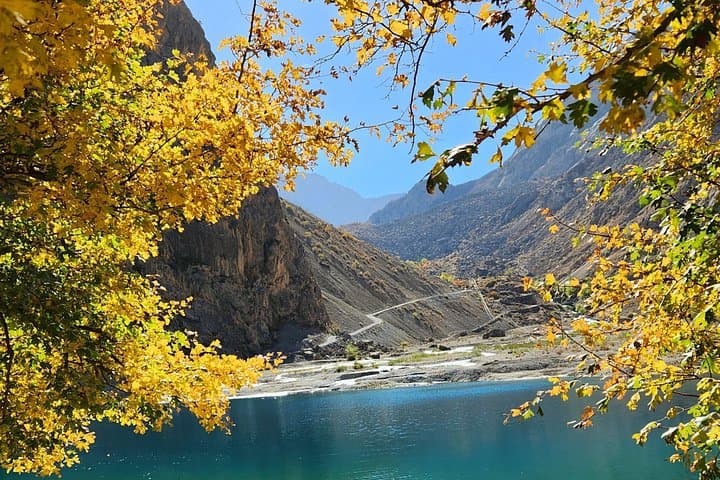
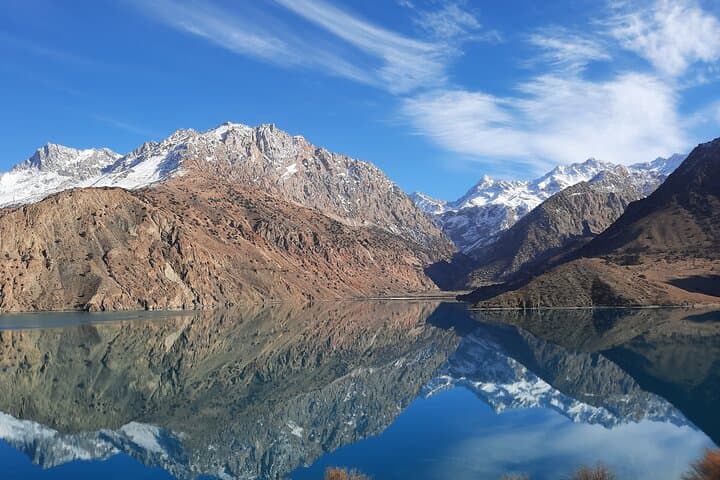
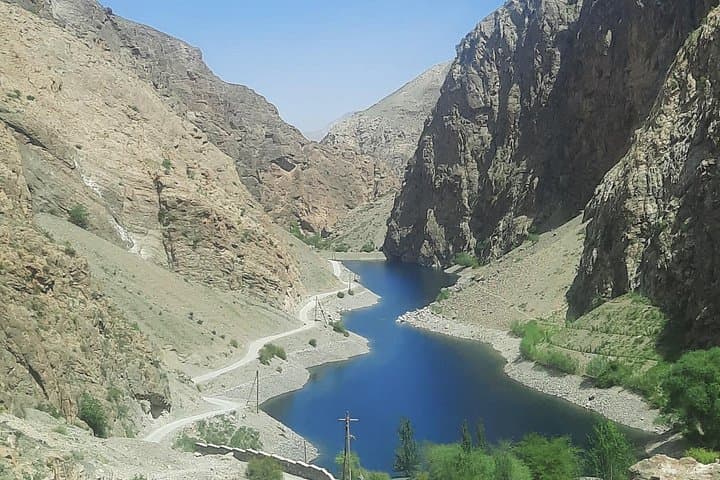
Morning light lifts off Samarkand’s tiled domes and the minivan hums toward the border, carrying travelers into the high, folded country where water collects like a string of jewels. By late morning the road narrows and the Zeravshan foothills tighten: cliffs and scree push water into bowls of startling color, each lake daring you to pause and look closer.
Verified experiences and guided adventures in the surrounding area.
Operated by Explore Pamir · Panjakent, Sughd Region
Morning light lifts off Samarkand’s tiled domes and the minivan hums toward the border, carrying travelers into the high, folded country where water collects like a string of jewels. By late morning the road narrows and the Zeravshan foothills tighten: cliffs and scree push water into bowls of startling color, each lake daring you to pause and look closer.
The route stops first at Sarazm, a 5,500‑year‑old settlement and UNESCO site where stone foundations and copper traces speak of an early trading hub on the Silk Road. Geology here is blunt and honest — glacially carved basins, metamorphic ridges, and mineral beds that tint lake water from deep green to ultramarine. Panjakent’s market culture still hums with barter and dried fruit, a living echo of Sogdian traders who once passed these valleys.
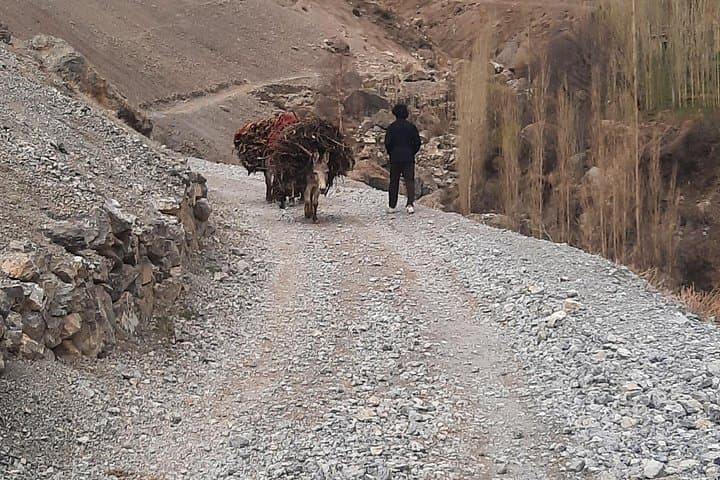
Expect short walks between viewpoints rather than long hikes: paths are uneven, sometimes steep, and the lakes sit between 1,200–1,800 meters in elevation depending on which small basin you visit. Guides point out local customs, the best photo angles, and the practicalities of crossing into Tajikistan, where passports and time windows shape the day.
Practicalities matter: carry a stamped passport, layered clothing for sudden wind and sun, and at least 2 liters of water. Timing your visit for morning light improves colors and avoids late‑day traffic at the border. Whether you’re after archaeology, alpine color, or a compact cross‑border adventure, this day trip delivers concentrated variety and clear, honest landscapes.
moderate.
8–9 hours.
Suitable for travelers in general good health; requires short uphill and uneven walking but no sustained climbs.
Visa requirements depend on your nationality; many travelers need a visa for Tajikistan—confirm requirements well before travel and carry your passport and any necessary documents.
Expect roughly 2–3 hours one way depending on border processing and road conditions; the full round trip plus stops makes for an 8–9 hour day.
See above
The tour typically includes bottled water; local stops and a bazaar visit allow you to buy snacks or a simple meal—ask the operator about included meals before booking.
Sarazm is an early Bronze Age settlement (c. 3rd millennium BCE) and UNESCO site that highlights the region’s role in early metallurgy and long‑distance trade.
The lakes are sensitive alpine ecosystems; stay on trails, avoid swimming in fragile basins, and carry out all trash to reduce impact on water quality and local grazing areas.
Explore Pamir operates guided outdoor trips and adventures with an emphasis on safety, stewardship, and memorable experiences.
Morning light lifts off Samarkand’s tiled domes and the minivan hums toward the border, carrying travelers into the high, folded country where water collects like a string of jewels. By late morning the road narrows and the Zeravshan foothills tighten: cliffs and scree push water into bowls of startling color, each lake daring you to pause and look closer.
Morning light lifts off Samarkand’s tiled domes and the minivan hums toward the border, carrying travelers into the high, folded country where water collects like a string of jewels. By late morning the road narrows and the Zeravshan foothills tighten: cliffs and scree push water into bowls of startling color, each lake daring you to pause and look closer.
The route stops first at Sarazm, a 5,500‑year‑old settlement and UNESCO site where stone foundations and copper traces speak of an early trading hub on the Silk Road. Geology here is blunt and honest — glacially carved basins, metamorphic ridges, and mineral beds that tint lake water from deep green to ultramarine. Panjakent’s market culture still hums with barter and dried fruit, a living echo of Sogdian traders who once passed these valleys.
Expect short walks between viewpoints rather than long hikes: paths are uneven, sometimes steep, and the lakes sit between 1,200–1,800 meters in elevation depending on which small basin you visit. Guides point out local customs, the best photo angles, and the practicalities of crossing into Tajikistan, where passports and time windows shape the day.
Practicalities matter: carry a stamped passport, layered clothing for sudden wind and sun, and at least 2 liters of water. Timing your visit for morning light improves colors and avoids late‑day traffic at the border. Whether you’re after archaeology, alpine color, or a compact cross‑border adventure, this day trip delivers concentrated variety and clear, honest landscapes.