THE ADVENTURE COLLECTIVE® · Independent discovery and booking for outdoor travel

One of Greece’s longest gorges, Samaria is a 16 km downhill route from the Omalos plateau to Agia Roumeli’s sea. Expect rocky terrain, pine forests, the abandoned village of Samaria, and a ferry exit at the coast—ideal for hikers prepared for a long day.
One of Greece’s longest gorges, Samaria is a 16 km downhill route from the Omalos plateau to Agia Roumeli’s sea. Expect rocky terrain, pine forests, the abandoned village of Samaria, and a ferry exit at the coast—ideal for hikers prepared for a long day.
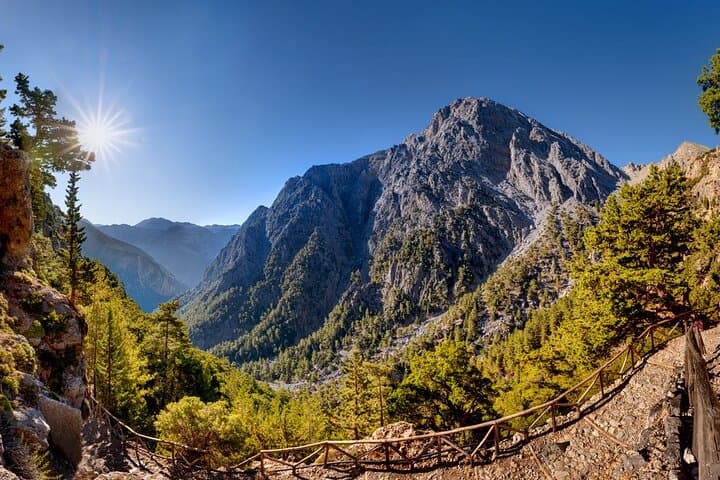
Dust from the plateau crunches underfoot as the trail narrows and the first pines close in—this is the Samaria Gorge, where limestone walls fold into a corridor of shadow and sun. Starting at roughly 1,100 meters on the Omalos plateau, the route drops steadily for 16 km, ending at the seaside hamlet of Agia Roumeli where the Mediterranean waits with a cool, salt-sweet welcome.
Verified experiences and guided adventures in the surrounding area.
Operated by Nikos · Chania, Crete
Dust from the plateau crunches underfoot as the trail narrows and the first pines close in—this is the Samaria Gorge, where limestone walls fold into a corridor of shadow and sun. Starting at roughly 1,100 meters on the Omalos plateau, the route drops steadily for 16 km, ending at the seaside hamlet of Agia Roumeli where the Mediterranean waits with a cool, salt-sweet welcome.
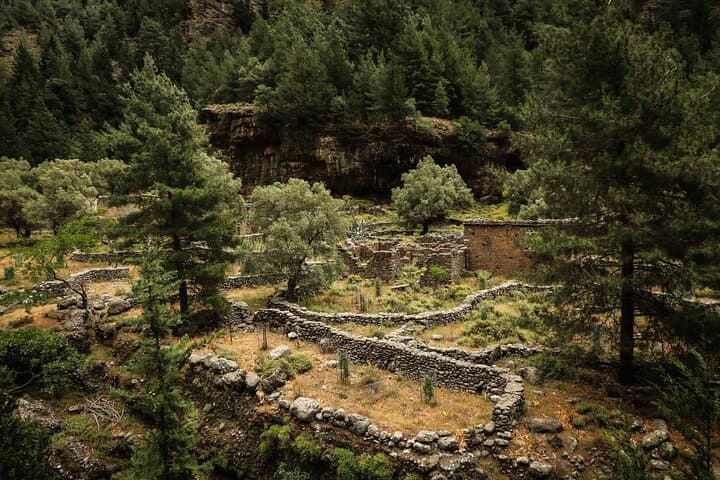
The gorge has sheltered people and wildlife for millennia; Roman and Byzantine traces pepper Cretan history, while the gorge’s designation as a National Park (since 1962) and UNESCO Biosphere Reserve reflects its geological importance. The rock here tells a story of uplift and marine sediments turned to cliff—expect scree bands, carved potholes, and sheer slabs that frame the trail. Midway lies the abandoned village of Samaria, a glimpse of traditional mountain life and the harsh rhythms that shaped it.
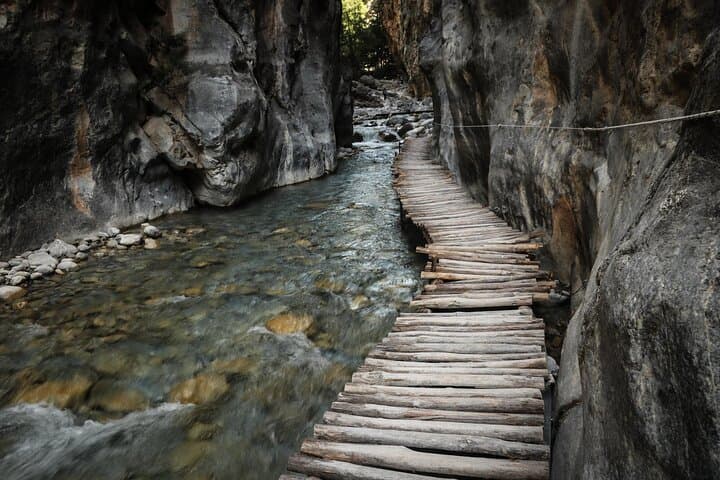
Practically, this is a long downhill mountain hike: rocky, often uneven, with wooden bridges over the seasonal river and stretches exposed to sun. Guides handle park permits, local logistics and ferry ticket options from Agia Roumeli to Sougia or Sfakia; the last ferry usually departs mid-to-late afternoon. Hike time is typically six hours for a steady group; plan for sturdy footwear, layered clothing for morning chill on the plateau, ample water, and sun protection. Hydrate early, use trekking poles to reduce knee strain on descent, and time your start so you arrive at the coast with spare time for a swim before the ferry. The Samaria Gorge rewards attention to footing and weather with dramatic geology, solitary pine-scented stretches, and a memorable finish by the sea.
challenging.
6 hours (approx.).
Requires good cardiovascular fitness and strong knees for sustained downhill walking; regular hikers will manage best.
Most travelers use a public bus from Chania (~45 minutes) or drive to the parking and meeting café at Xyloskalo on the Omalos plateau; guides meet at the café by the entrance.
Yes—the trail is downhill to Agia Roumeli. Return is by ferry to Sougia or Sfakia; guides will assist with ticketing, but check schedules as the last daily ferry departs in the late afternoon.
A moderate-to-high fitness level is required; not recommended for those with serious back, heart conditions, or pregnancy due to long descent and uneven terrain.
Service animals are allowed; pet policies vary—confirm with organizers if you plan to bring a pet.
Samaria has been a natural corridor for island communities for centuries and became a Greek National Park in 1962 to protect its unique flora and fauna.
Stick to marked trails and carry out all waste; the park is protected and fragile, and visitor numbers are managed seasonally to reduce impact.
Nikos operates guided outdoor trips and adventures with an emphasis on safety, stewardship, and memorable experiences.
Dust from the plateau crunches underfoot as the trail narrows and the first pines close in—this is the Samaria Gorge, where limestone walls fold into a corridor of shadow and sun. Starting at roughly 1,100 meters on the Omalos plateau, the route drops steadily for 16 km, ending at the seaside hamlet of Agia Roumeli where the Mediterranean waits with a cool, salt-sweet welcome.
Dust from the plateau crunches underfoot as the trail narrows and the first pines close in—this is the Samaria Gorge, where limestone walls fold into a corridor of shadow and sun. Starting at roughly 1,100 meters on the Omalos plateau, the route drops steadily for 16 km, ending at the seaside hamlet of Agia Roumeli where the Mediterranean waits with a cool, salt-sweet welcome.
The gorge has sheltered people and wildlife for millennia; Roman and Byzantine traces pepper Cretan history, while the gorge’s designation as a National Park (since 1962) and UNESCO Biosphere Reserve reflects its geological importance. The rock here tells a story of uplift and marine sediments turned to cliff—expect scree bands, carved potholes, and sheer slabs that frame the trail. Midway lies the abandoned village of Samaria, a glimpse of traditional mountain life and the harsh rhythms that shaped it.
Practically, this is a long downhill mountain hike: rocky, often uneven, with wooden bridges over the seasonal river and stretches exposed to sun. Guides handle park permits, local logistics and ferry ticket options from Agia Roumeli to Sougia or Sfakia; the last ferry usually departs mid-to-late afternoon. Hike time is typically six hours for a steady group; plan for sturdy footwear, layered clothing for morning chill on the plateau, ample water, and sun protection. Hydrate early, use trekking poles to reduce knee strain on descent, and time your start so you arrive at the coast with spare time for a swim before the ferry. The Samaria Gorge rewards attention to footing and weather with dramatic geology, solitary pine-scented stretches, and a memorable finish by the sea.