THE ADVENTURE COLLECTIVE® · Independent discovery and booking for outdoor travel

Walk Europe’s longest gorge on a managed, mostly downhill route from Omalos to Agia Roumeli. This day tour from Rethymno combines bus transfers, a scenic 16 km descent through limestone cliffs, and a seaside finish with time to swim and relax.
Walk Europe’s longest gorge on a managed, mostly downhill route from Omalos to Agia Roumeli. This day tour from Rethymno combines bus transfers, a scenic 16 km descent through limestone cliffs, and a seaside finish with time to swim and relax.
You step off the cool bus at Omalos as the morning light slides across the White Mountains. A carved notch in limestone waits below: Samaria Gorge descends in a steady ribbon toward the Libyan Sea, the path mostly downhill but long — the gorge runs roughly 16 km from Xyloskalo to Agia Roumeli. Pines and plane trees lean over the trail; a dry stream-bed occasionally dares you to track the hidden pools. The air smells of resin and sea.
Verified experiences and guided adventures in the surrounding area.
Operated by TravelPath AllcreteTours · Rethymno, Crete
You step off the cool bus at Omalos as the morning light slides across the White Mountains. A carved notch in limestone waits below: Samaria Gorge descends in a steady ribbon toward the Libyan Sea, the path mostly downhill but long — the gorge runs roughly 16 km from Xyloskalo to Agia Roumeli. Pines and plane trees lean over the trail; a dry stream-bed occasionally dares you to track the hidden pools. The air smells of resin and sea.
Samaria has been moving water and rock for hundreds of thousands of years, its sheer walls carved from limestones and schist. The gorge sits in the Lefka Ori range and became a national park in 1962 to protect its endemic flora and the kri-kri wild goat. Cultural traces include shepherd trails and Ottoman-era waypoints; Agia Roumeli remains a tiny working village that welcomes hikers with taverna lunches and boat rides.
Practical guidance: the organized “easy way” runs from Rethymno with hotel pickup, a bus to Omalos, a walk down to Agia Roumeli and usually a return by ferry — plan on a 10–12 hour day including transfers. Trail surface is rocky and uneven but non-technical; proper footwear with ankle support matters more than speed. Bring 2–3 liters of water, sun protection, a light wind layer for coastal breezes and swimwear for a post-hike dip. Start early to avoid midday heat, and keep an eye on ferry times if returning by boat — services can shift seasonally.
moderate.
10–12 hours.
Suitable for hikers in good general fitness who can walk 12–16 km on uneven, mostly downhill terrain; families with older children commonly join.
The classic route is about 16 km from Xyloskalo (Omalos) down to Agia Roumeli; organized tours include transfer time, making it a full-day outing.
The path is non-technical but rocky and uneven with long downhill stretches; proper shoes and moderate fitness are recommended.
Yes — the village has small public beaches and clear water for a refreshing swim after the hike; bring swimwear and a towel.
Facilities are minimal inside the gorge; the main amenities are at the start (Omalos) and end (Agia Roumeli) — carry snacks, water, and any personal items you need.
The gorge’s path has long been used by shepherds and villages in the Lefka Ori; it was protected as a national park in the 1960s to preserve its endemic species and landscape.
Stick to the marked trail, pack out all litter and avoid feeding wildlife; the national park limits visitor impact to protect fragile endemic plants and the kri-kri population.
TravelPath AllcreteTours operates guided outdoor trips and adventures with an emphasis on safety, stewardship, and memorable experiences.
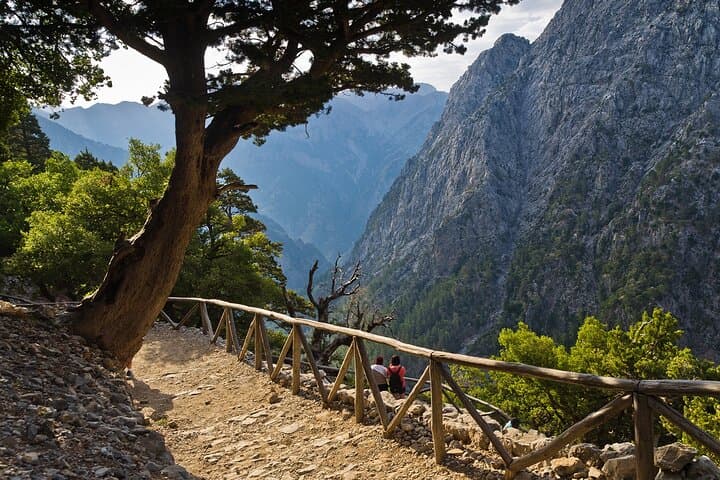
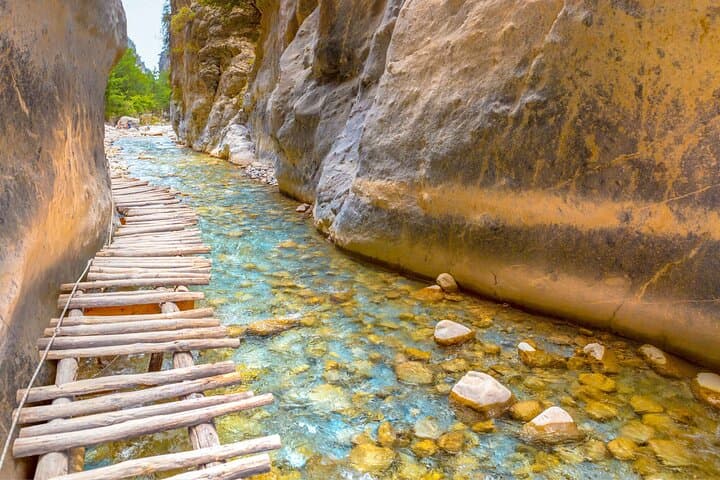
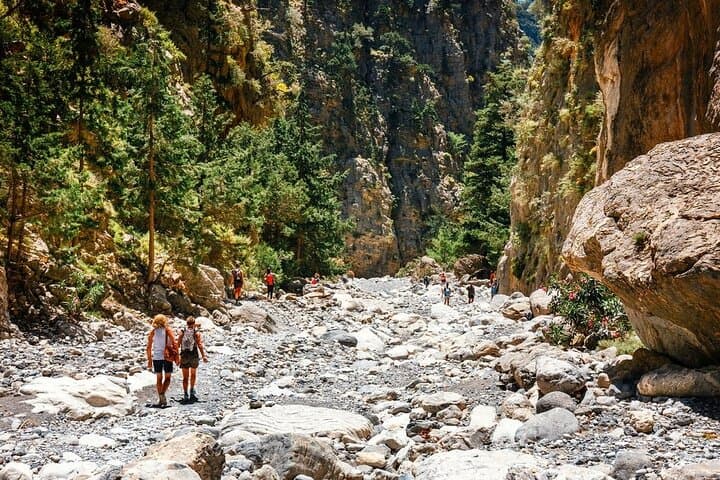
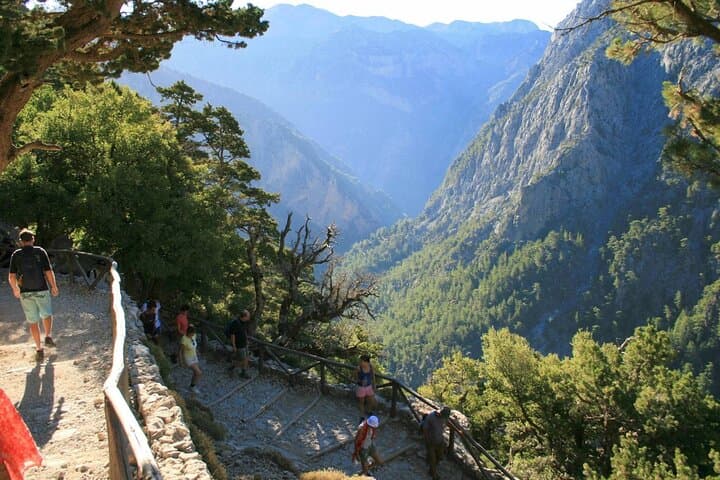
You step off the cool bus at Omalos as the morning light slides across the White Mountains. A carved notch in limestone waits below: Samaria Gorge descends in a steady ribbon toward the Libyan Sea, the path mostly downhill but long — the gorge runs roughly 16 km from Xyloskalo to Agia Roumeli. Pines and plane trees lean over the trail; a dry stream-bed occasionally dares you to track the hidden pools. The air smells of resin and sea.
You step off the cool bus at Omalos as the morning light slides across the White Mountains. A carved notch in limestone waits below: Samaria Gorge descends in a steady ribbon toward the Libyan Sea, the path mostly downhill but long — the gorge runs roughly 16 km from Xyloskalo to Agia Roumeli. Pines and plane trees lean over the trail; a dry stream-bed occasionally dares you to track the hidden pools. The air smells of resin and sea.
Samaria has been moving water and rock for hundreds of thousands of years, its sheer walls carved from limestones and schist. The gorge sits in the Lefka Ori range and became a national park in 1962 to protect its endemic flora and the kri-kri wild goat. Cultural traces include shepherd trails and Ottoman-era waypoints; Agia Roumeli remains a tiny working village that welcomes hikers with taverna lunches and boat rides.
Practical guidance: the organized “easy way” runs from Rethymno with hotel pickup, a bus to Omalos, a walk down to Agia Roumeli and usually a return by ferry — plan on a 10–12 hour day including transfers. Trail surface is rocky and uneven but non-technical; proper footwear with ankle support matters more than speed. Bring 2–3 liters of water, sun protection, a light wind layer for coastal breezes and swimwear for a post-hike dip. Start early to avoid midday heat, and keep an eye on ferry times if returning by boat — services can shift seasonally.