THE ADVENTURE COLLECTIVE® · Independent discovery and booking for outdoor travel

Join a guided night walk from Sámara to Corozalito Wildlife Refuge to witness sea turtles nesting and—if timing aligns—hatchlings making their first journey to the sea. This easy, 3–4 hour excursion blends local stewardship with up-close wildlife observation under strict low-light rules.
Join a guided night walk from Sámara to Corozalito Wildlife Refuge to witness sea turtles nesting and—if timing aligns—hatchlings making their first journey to the sea. This easy, 3–4 hour excursion blends local stewardship with up-close wildlife observation under strict low-light rules.
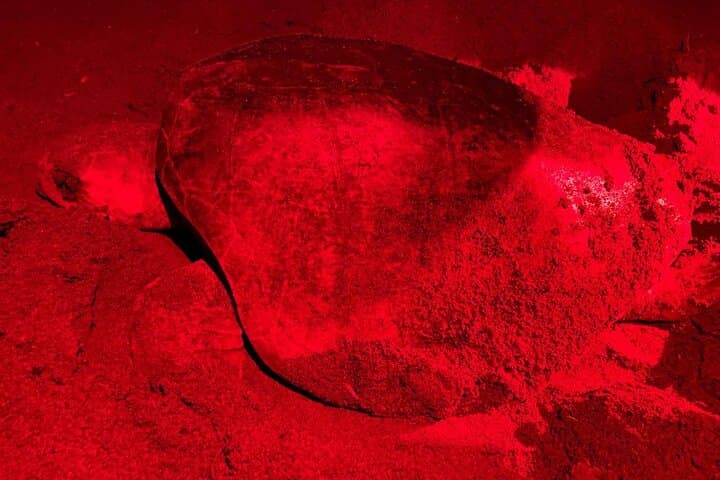
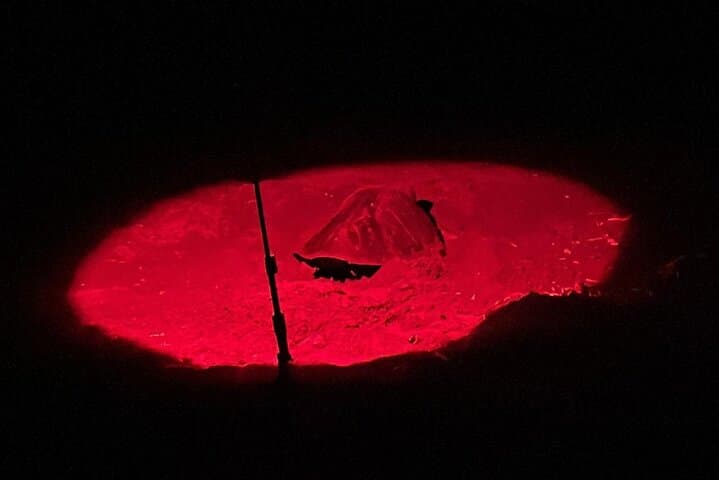
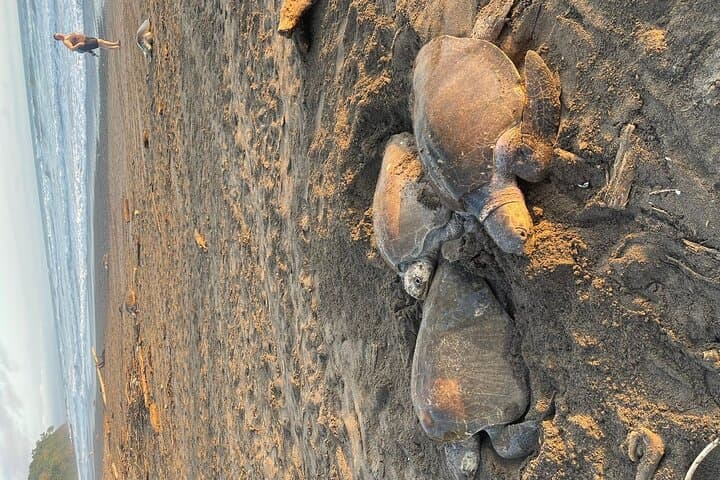
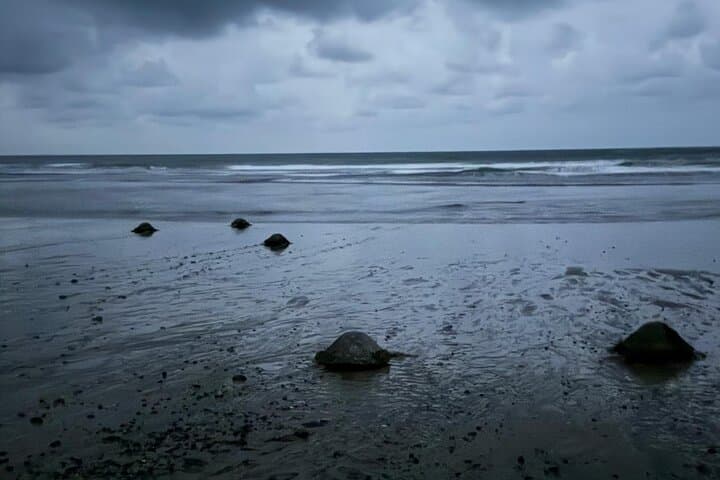
The beach at dusk is a slow-motion invitation: surf murmurs, the horizon cools, and the dark ribbon of sand becomes a runway for something extraordinary. On this night walk from Sámara you follow guides to Corozalito Wildlife Refuge where leatherback and smaller pacific species occasionally drag themselves ashore, pick a patch of sand and begin the ritual of nesting.
Verified experiences and guided adventures in the surrounding area.
Operated by Carrillo Tours · Sámara, Guanacaste
The beach at dusk is a slow-motion invitation: surf murmurs, the horizon cools, and the dark ribbon of sand becomes a runway for something extraordinary. On this night walk from Sámara you follow guides to Corozalito Wildlife Refuge where leatherback and smaller pacific species occasionally drag themselves ashore, pick a patch of sand and begin the ritual of nesting.
The Nicoya Peninsula’s beaches are shaped by eroding volcanic rock and longshore currents of the Gulf of Nicoya; those geology-driven sand shelves create the terraces turtles find suitable for digging. Local fishing and coastal communities have long observed nesting cycles, and community-driven patrols now play a major role in protecting sites and monitoring hatchling success. Expect to learn species ID, nesting timing, and the quiet cultural respect locals bring to dark beaches.
Practically: pickups run from Sámara around 6:00 pm with a 40-minute van ride to Corozalito, then a short hike along the shoreline to search for nesting females. The nesting event itself can take 30–60 minutes from digging to returning to the sea. Guides manage group behavior—no flash photography, low voices, and distance rules—to avoid stressing animals. Snacks, water and light are provided, but bring a small headlamp with red filter, closed-toe shoes for walking in uneven sand, and insect repellent. Nights can be humid and warm; layers aren’t usually necessary but a light rain shell is handy in the wet season.
This is a low-impact, observational experience: you won’t handle turtles unless part of a sanctioned program, and success depends on timing and nature’s rhythms. Patience and silence are the best gear.
easy.
3–4 hours.
Suitable for most fitness levels; involves short beach hikes on soft sand at night
Pickup from Sámara is typically around 6:00 pm with a 40-minute drive to Corozalito; expect 3–4 hours total including transit and the beach observation.
No—handling is restricted to trained researchers and authorized programs; this tour is strictly observational to minimize stress on the animals.
Flash and strong white light are prohibited because they disorient turtles; low-intensity red light or guide-approved lights may be used.
The tour is described as physically easy but involves walking on soft sand at night; infants may ride in strollers until the beach hike, and accessibility on sand varies by tide and conditions.
Local communities on the Nicoya Peninsula have historically harvested and observed turtles; in recent decades conservation patrols and protected refuges have reduced poaching and improved hatchling survival.
Tours are organized to minimize disturbance—no flash photography, no handling, and strict distance rules—and revenues often support local monitoring programs.
Carrillo Tours operates guided outdoor trips and adventures with an emphasis on safety, stewardship, and memorable experiences.
The beach at dusk is a slow-motion invitation: surf murmurs, the horizon cools, and the dark ribbon of sand becomes a runway for something extraordinary. On this night walk from Sámara you follow guides to Corozalito Wildlife Refuge where leatherback and smaller pacific species occasionally drag themselves ashore, pick a patch of sand and begin the ritual of nesting.
The beach at dusk is a slow-motion invitation: surf murmurs, the horizon cools, and the dark ribbon of sand becomes a runway for something extraordinary. On this night walk from Sámara you follow guides to Corozalito Wildlife Refuge where leatherback and smaller pacific species occasionally drag themselves ashore, pick a patch of sand and begin the ritual of nesting.
The Nicoya Peninsula’s beaches are shaped by eroding volcanic rock and longshore currents of the Gulf of Nicoya; those geology-driven sand shelves create the terraces turtles find suitable for digging. Local fishing and coastal communities have long observed nesting cycles, and community-driven patrols now play a major role in protecting sites and monitoring hatchling success. Expect to learn species ID, nesting timing, and the quiet cultural respect locals bring to dark beaches.
Practically: pickups run from Sámara around 6:00 pm with a 40-minute van ride to Corozalito, then a short hike along the shoreline to search for nesting females. The nesting event itself can take 30–60 minutes from digging to returning to the sea. Guides manage group behavior—no flash photography, low voices, and distance rules—to avoid stressing animals. Snacks, water and light are provided, but bring a small headlamp with red filter, closed-toe shoes for walking in uneven sand, and insect repellent. Nights can be humid and warm; layers aren’t usually necessary but a light rain shell is handy in the wet season.
This is a low-impact, observational experience: you won’t handle turtles unless part of a sanctioned program, and success depends on timing and nature’s rhythms. Patience and silence are the best gear.