
Samaná Bay Whale Watching and Cayo Levantado (Bacardi Island) — Full-Day Wildlife & Beach Excursion
A full-day catamaran trip from the east coast delivers close-up humpback encounters in Samaná Bay followed by a relaxed stop on Cayo Levantado (Bacardi Island). Expect marine wildlife, a Dominican lunch, and several hours on deck during the peak January–March season.
An Adventure In Samaná.
A full-day catamaran trip from the east coast delivers close-up humpback encounters in Samaná Bay followed by a relaxed stop on Cayo Levantado (Bacardi Island). Expect marine wildlife, a Dominican lunch, and several hours on deck during the peak January–March season.
Read the full experience
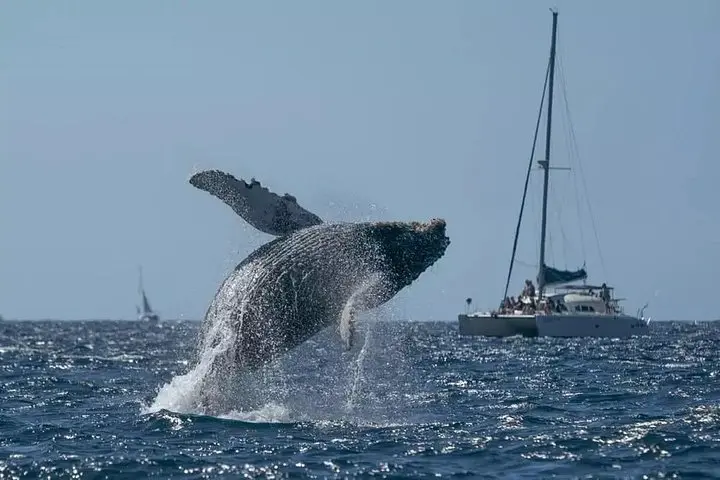
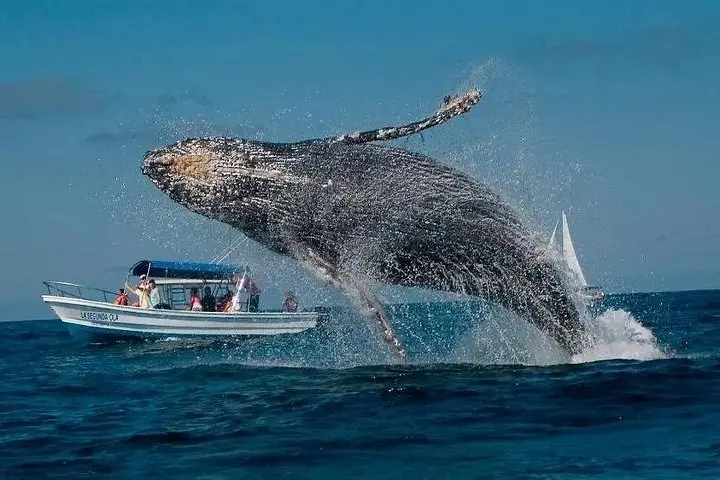
Stand on the deck as the catamaran cuts through the Caribbean morning—salt spray scoring the air and a horizon of cobalt giving way to the green fold of Samaná’s headlands. Conversation softens; binoculars rise. Within minutes a spray and a dark back break the surface: humpback whales, come to court and calve in the shallow bay.
Stand on the deck as the catamaran cuts through the Caribbean morning—salt spray scoring the air and a horizon of cobalt giving way to the green fold of Samaná’s headlands. Conversation softens; binoculars rise. Within minutes a spray and a dark back break the surface: humpback whales, come to court and calve in the shallow bay.
Samaná Bay hosts one of the Caribbean’s most predictable humpback migrations each winter. The bay’s sheltered channels and warm waters attract whales from the North Atlantic, and the shoreline here carries traces of Taino heritage, Spanish colonial trade, and 20th-century tourism lore—Cayo Levantado earned the nickname “Bacardi Island” after a famous commercial filmed there.
Geology is visible in the low limestone cliffs and mangrove-fringed inlets; offshore banks and deep channels create feeding and breeding pockets for marine life. Culture arrives in the form of Dominican seafood lunch buffets on Cayo Levantado, where palms shade white sand and the day slows after the excitement of whale sightings.
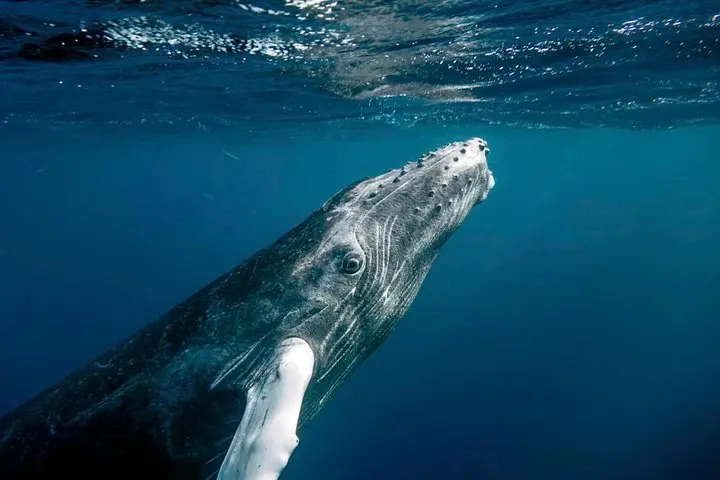
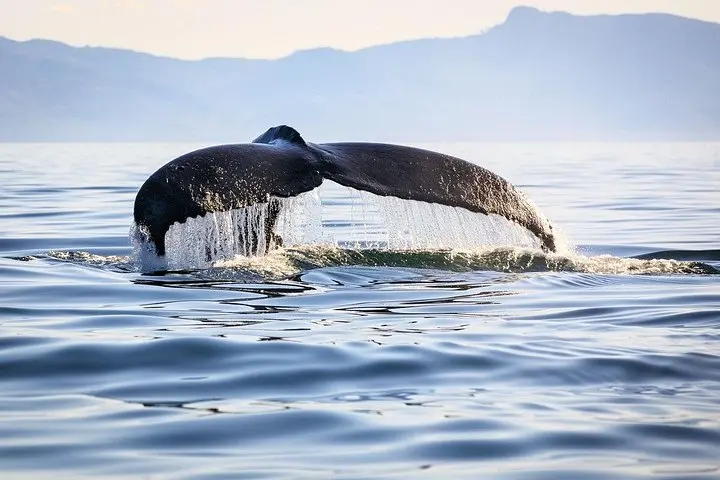
Practical guidance: tours run 8–9 hours and typically include round-trip transport, guide, lunch, and water. Expect several hours on deck; bring sun protection, motion-sickness prevention, and a small dry bag. Operators follow viewing regulations—stay with licensed boats, keep respectful distance if in a private craft, and avoid loud noises near animals. Timing matters: prime whale season is January–March; mornings often yield calmer seas and better light. For photographers, a telephoto lens and fast shutter speeds capture breaches and tail slaps, while binoculars and patience reveal blows and pectoral flipper movements. The day pairs active wildlife watching with an easy, restorative beach stop—wildness followed by hammock time.
Frequently asked questions
The peak season runs January through March, with the highest encounter probability in February when mating and calving activity peaks.
Licensed tour operators follow local regulations; close approaches can be within several meters under guided conditions, but vessels maintain responsible distances and follow the whales’ behavior.
Yes—Cayo Levantado has calm, turquoise waters suitable for swimming; typical stops include time to swim, sun, and a buffet lunch.
Yes; tours are family-friendly but infants must sit on an adult’s lap and children should be supervised on deck and at the shore.
About This Experience
Sultana Tours Dominican Republic operates guided outdoor trips and adventures with an emphasis on safety, stewardship, and memorable experiences.
Adventure tips
Recommended gear
- Binoculars: Helps detect blows and surface behaviors at distance during whale season.
- Reef-safe sunscreen: Protects skin under tropical sun while minimizing impact on marine ecosystems.
- Light windbreaker or rain jacket: Blocks spray and cool breezes on early-morning crossings.
- Small dry bag: Keeps electronics and documents dry during transit and landing on Cayo Levantado.
Photos of the experience
Related adventures & guides
Read the full experience
Stand on the deck as the catamaran cuts through the Caribbean morning—salt spray scoring the air and a horizon of cobalt giving way to the green fold of Samaná’s headlands. Conversation softens; binoculars rise. Within minutes a spray and a dark back break the surface: humpback whales, come to court and calve in the shallow bay.
Stand on the deck as the catamaran cuts through the Caribbean morning—salt spray scoring the air and a horizon of cobalt giving way to the green fold of Samaná’s headlands. Conversation softens; binoculars rise. Within minutes a spray and a dark back break the surface: humpback whales, come to court and calve in the shallow bay.
Samaná Bay hosts one of the Caribbean’s most predictable humpback migrations each winter. The bay’s sheltered channels and warm waters attract whales from the North Atlantic, and the shoreline here carries traces of Taino heritage, Spanish colonial trade, and 20th-century tourism lore—Cayo Levantado earned the nickname “Bacardi Island” after a famous commercial filmed there.
Geology is visible in the low limestone cliffs and mangrove-fringed inlets; offshore banks and deep channels create feeding and breeding pockets for marine life. Culture arrives in the form of Dominican seafood lunch buffets on Cayo Levantado, where palms shade white sand and the day slows after the excitement of whale sightings.
Practical guidance: tours run 8–9 hours and typically include round-trip transport, guide, lunch, and water. Expect several hours on deck; bring sun protection, motion-sickness prevention, and a small dry bag. Operators follow viewing regulations—stay with licensed boats, keep respectful distance if in a private craft, and avoid loud noises near animals. Timing matters: prime whale season is January–March; mornings often yield calmer seas and better light. For photographers, a telephoto lens and fast shutter speeds capture breaches and tail slaps, while binoculars and patience reveal blows and pectoral flipper movements. The day pairs active wildlife watching with an easy, restorative beach stop—wildness followed by hammock time.
Make a day of it nearby.
Verified experiences and guided adventures in the surrounding area.