THE ADVENTURE COLLECTIVE® · Independent discovery and booking for outdoor travel

Head offshore from Las Terrenas into Samaná Bay on a half-day boat trip to watch humpback whales and enjoy lunch on return. Seasonal naturalists guide the search—book between Jan 15 and Mar 15 for the best chance to see mothers and calves.
Head offshore from Las Terrenas into Samaná Bay on a half-day boat trip to watch humpback whales and enjoy lunch on return. Seasonal naturalists guide the search—book between Jan 15 and Mar 15 for the best chance to see mothers and calves.
The bay opens like a moving stage as you step from the dock near Las Terrenas and feel the Atlantic set the rhythm—waves nudging the hull, salt on your lips, and the horizon stretched wide toward Cayo Levantado.
Verified experiences and guided adventures in the surrounding area.
Operated by The Whales Las Ballenas · Las Terrenas, Samaná
The bay opens like a moving stage as you step from the dock near Las Terrenas and feel the Atlantic set the rhythm—waves nudging the hull, salt on your lips, and the horizon stretched wide toward Cayo Levantado.
Between mid-January and mid-March the Bay of Samaná hosts North Atlantic humpback whales for breeding and calving. Geologically, the bay is a broad, shallow inlet carved by tectonic uplift and coastal currents; sandbars around Cayo Levantado create calm lagoons and clear snorkeling pockets. Locally, fishing and small-scale tourism shape life in Las Terrenas—Spanish, Taino, and African influences appear in food and song, while guides share traditional knowledge about whale behavior.
Expect guided interpretation from a naturalist, binocular views of breaches and maternal care, and a short cruise back to shore for a beachfront lunch. Boats operate with life jackets and basic safety briefings; trips often include hotel transfers and bottled water. Weather and marine conditions control sightings—patience is part of the experience, and the sound of a distant blow can be as thrilling as a full breach.
Practical advice: book during the official season (Jan 15–Mar 15), take seasickness prevention if you’re sensitive, bring a camera with a zoom or binoculars, and layer sun protection for wind and reflection. If whales are the objective, go early in the season for higher calf sightings; otherwise combine the trip with snorkeling around Cayo Levantado to round out a half-day at sea.
moderate.
5–6 hours.
Suitable for people in average physical condition; boarding and brief deck movement required but no technical fitness.
The legal and optimal whale-watching season runs approximately January 15 to March 15, when humpbacks come to breed and calve.
No—sightings depend on whale movements and weather. Local guides maximize chances but cannot guarantee close encounters.
The operator notes accessibility for wheelchairs and accepts infants (often on laps), but boat boarding may require assistance—check pickup and boarding specifics in advance.
Bring sun protection, a hat, water-resistant layer, binoculars or a zoom camera, and seasickness remedies if you are prone to motion sickness.
Samaná Bay has been a seasonal breeding ground for humpbacks for millennia; the area’s modern tourism grew around these predictable whale visits and the island’s fishing culture.
Operators generally follow the Dominican regulations that limit whale-watching to the official season and maintain viewing distances; choose guides who prioritize non-intrusive observation and proper waste handling.
The Whales Las Ballenas operates guided outdoor trips and adventures with an emphasis on safety, stewardship, and memorable experiences.

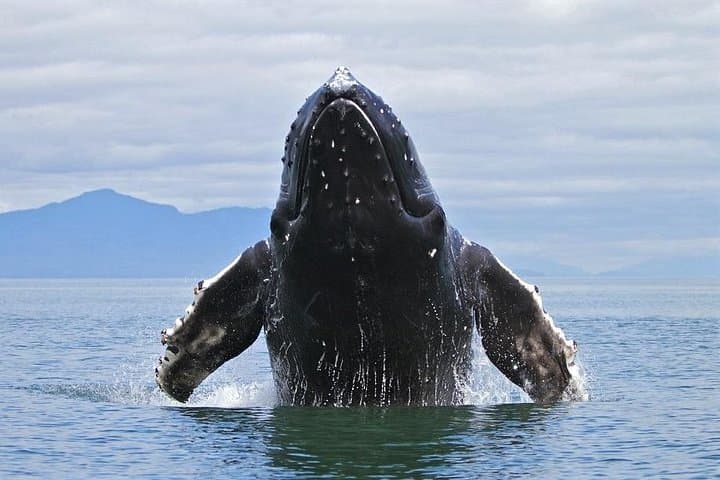


The bay opens like a moving stage as you step from the dock near Las Terrenas and feel the Atlantic set the rhythm—waves nudging the hull, salt on your lips, and the horizon stretched wide toward Cayo Levantado.
The bay opens like a moving stage as you step from the dock near Las Terrenas and feel the Atlantic set the rhythm—waves nudging the hull, salt on your lips, and the horizon stretched wide toward Cayo Levantado.
Between mid-January and mid-March the Bay of Samaná hosts North Atlantic humpback whales for breeding and calving. Geologically, the bay is a broad, shallow inlet carved by tectonic uplift and coastal currents; sandbars around Cayo Levantado create calm lagoons and clear snorkeling pockets. Locally, fishing and small-scale tourism shape life in Las Terrenas—Spanish, Taino, and African influences appear in food and song, while guides share traditional knowledge about whale behavior.
Expect guided interpretation from a naturalist, binocular views of breaches and maternal care, and a short cruise back to shore for a beachfront lunch. Boats operate with life jackets and basic safety briefings; trips often include hotel transfers and bottled water. Weather and marine conditions control sightings—patience is part of the experience, and the sound of a distant blow can be as thrilling as a full breach.
Practical advice: book during the official season (Jan 15–Mar 15), take seasickness prevention if you’re sensitive, bring a camera with a zoom or binoculars, and layer sun protection for wind and reflection. If whales are the objective, go early in the season for higher calf sightings; otherwise combine the trip with snorkeling around Cayo Levantado to round out a half-day at sea.