THE ADVENTURE COLLECTIVE® · Independent discovery and booking for outdoor travel

Witness humpback whales in Samaná Bay and unwind on Cayo Levantado in a single long day from Santo Domingo. This full-day tour pairs reliable whale sightings with a beach lunch on Bacardi Island.
Witness humpback whales in Samaná Bay and unwind on Cayo Levantado in a single long day from Santo Domingo. This full-day tour pairs reliable whale sightings with a beach lunch on Bacardi Island.
The day begins before sunrise on the coastal road north from Santo Domingo, the highway folding open toward the Samaná Peninsula. By midmorning the boat slips into the broad blue of Samaná Bay, and the water itself seems to lean forward—curious, expectant—until the first dark back and the flash of a fluke break the horizon.
Verified experiences and guided adventures in the surrounding area.
Operated by Sunset Caribbean · Samaná, Samaná Province
The day begins before sunrise on the coastal road north from Santo Domingo, the highway folding open toward the Samaná Peninsula. By midmorning the boat slips into the broad blue of Samaná Bay, and the water itself seems to lean forward—curious, expectant—until the first dark back and the flash of a fluke break the horizon.
Samaná Bay is one of the western hemisphere’s most reliable wintering grounds for North Atlantic humpbacks. Geology here is simple and honest: a wide semienclosed bay fed by coastal currents, with offshore shoals and the small limestone islet of Cayo Levantado, known locally as Bacardi Island, offering sandy beaches and palm shade. Culturally, the region blends Dominican coastal life with fishing communities and a tourism economy that centers on whale season (roughly January–March).
Expect guided spotting from a stable, mid-size passenger boat, followed by a relaxed beach stop on Cayo Levantado for lunch, swimming, and shore-side shade. Guides explain whale behavior and local ecology while enforcing viewing distances to protect mothers and calves.
Practical guidance: bring sun protection, motion-sickness remedies if prone, and a camera with a zoom lens; boats can get bumpy and whale encounters often happen at a distance. Dress in lightweight layers for the morning transfer, and bring swimwear and a quick-dry towel for the island stop. Plan for a long day—pickups and return travel from Santo Domingo add hours—but the payoff is a rare, close look at humpbacks and an easy Caribbean beach interlude.
easy.
11–13 hours.
Suitable for most fitness levels; expect long periods of sitting and short bouts of boarding with some standing while spotting whales.
Peak season runs from January through March, when North Atlantic humpbacks migrate to mate and calve in the bay’s warm waters.
No; the experience is boat-based and the beach stop is optional—basic swimming ability is sufficient for a shore swim.
A typical Dominican lunch and soft drinks are included; notify the operator of dietary restrictions at booking so they can accommodate if possible.
The tour is suitable for most people, but it’s not recommended for those with serious back, heart, or pregnancy-related concerns; boarding can require stepping up and down. Confirm specifics with the operator.
Samaná has long been a seasonal meeting place for migrating whales and a crossroads of Taíno, African, and European influences; the bay’s geography created a natural refuge for marine life and coastal settlements.
Operators follow local whale-watching guidelines to minimize disturbance; travelers should avoid single-use plastics and respect reef-protection rules while swimming.
Sunset Caribbean operates guided outdoor trips and adventures with an emphasis on safety, stewardship, and memorable experiences.

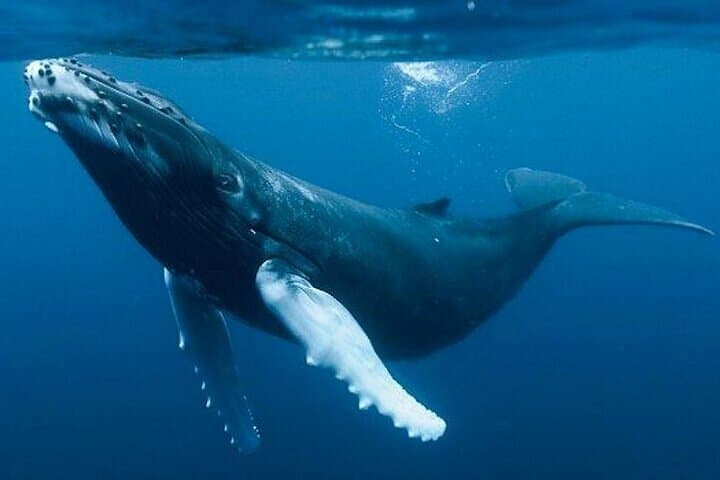


The day begins before sunrise on the coastal road north from Santo Domingo, the highway folding open toward the Samaná Peninsula. By midmorning the boat slips into the broad blue of Samaná Bay, and the water itself seems to lean forward—curious, expectant—until the first dark back and the flash of a fluke break the horizon.
The day begins before sunrise on the coastal road north from Santo Domingo, the highway folding open toward the Samaná Peninsula. By midmorning the boat slips into the broad blue of Samaná Bay, and the water itself seems to lean forward—curious, expectant—until the first dark back and the flash of a fluke break the horizon.
Samaná Bay is one of the western hemisphere’s most reliable wintering grounds for North Atlantic humpbacks. Geology here is simple and honest: a wide semienclosed bay fed by coastal currents, with offshore shoals and the small limestone islet of Cayo Levantado, known locally as Bacardi Island, offering sandy beaches and palm shade. Culturally, the region blends Dominican coastal life with fishing communities and a tourism economy that centers on whale season (roughly January–March).
Expect guided spotting from a stable, mid-size passenger boat, followed by a relaxed beach stop on Cayo Levantado for lunch, swimming, and shore-side shade. Guides explain whale behavior and local ecology while enforcing viewing distances to protect mothers and calves.
Practical guidance: bring sun protection, motion-sickness remedies if prone, and a camera with a zoom lens; boats can get bumpy and whale encounters often happen at a distance. Dress in lightweight layers for the morning transfer, and bring swimwear and a quick-dry towel for the island stop. Plan for a long day—pickups and return travel from Santo Domingo add hours—but the payoff is a rare, close look at humpbacks and an easy Caribbean beach interlude.