THE ADVENTURE COLLECTIVE® · Independent discovery and booking for outdoor travel

Watch humpback whales perform in Samaná Bay, then unwind on the white sands of Cayo Levantado on this six-hour day cruise. Expect close whale encounters, a Dominican lunch, and calm turquoise waters for swimming and snorkeling.
Watch humpback whales perform in Samaná Bay, then unwind on the white sands of Cayo Levantado on this six-hour day cruise. Expect close whale encounters, a Dominican lunch, and calm turquoise waters for swimming and snorkeling.
You step onto the boat with salt in your hair and Samana Bay already stretched out like a bright promise. The light is clear, the sea low and patient, and within minutes the boat slips into the open channel where humpback whales stage their seasonal theater. The first blow punctures the morning; a dark back appears, then a tail—like a punctuation mark—slapping the water as if to say, "Notice me." The guide narrows the throttle and the boat becomes an audience on a slow-moving stage.
Verified experiences and guided adventures in the surrounding area.
Operated by Shelting Tours · Samaná, Samaná Province
You step onto the boat with salt in your hair and Samana Bay already stretched out like a bright promise. The light is clear, the sea low and patient, and within minutes the boat slips into the open channel where humpback whales stage their seasonal theater. The first blow punctures the morning; a dark back appears, then a tail—like a punctuation mark—slapping the water as if to say, "Notice me." The guide narrows the throttle and the boat becomes an audience on a slow-moving stage.
Samaná’s humpbacks are part of a North Atlantic migration, arriving between January and March to breed and calve in these warm Caribbean waters. Geologically, the bay is a shallow pocket carved by tectonic uplift and river sediment—an ideal nursery and a place whales return to year after year. Culturally, the Samaná Peninsula carries layers of Taíno history and later waves of European and African influence; the coastline is dotted with fishing coves and the occasional palm that once starred in an old rum commercial, giving Cayo Levantado its popular nickname, "Bacardí Island."
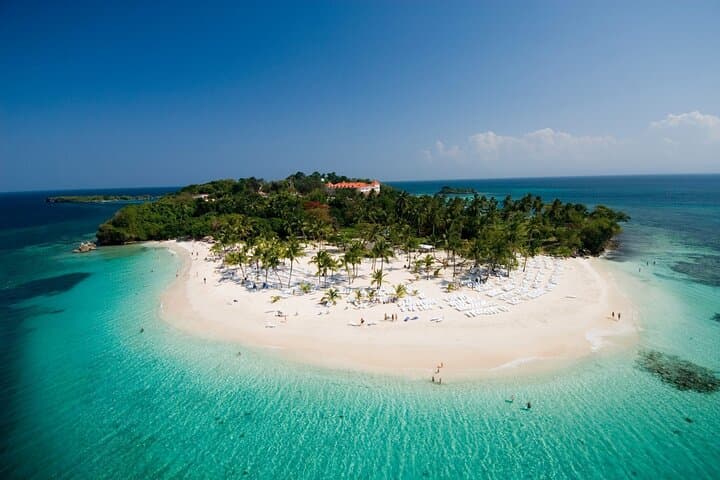
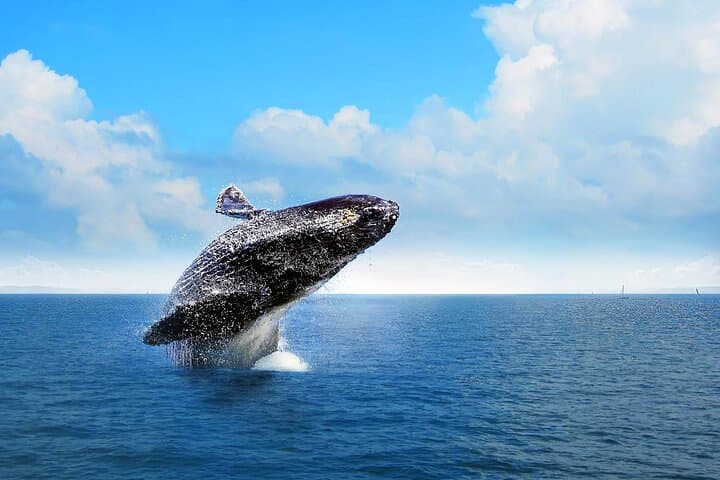
On the water, wildlife takes the lead: male humpbacks sing long, complex songs and compete with dramatic breaching and tail-slapping displays that seem designed for onlookers. Between whale encounters, the boat angles toward Cayo Levantado, where white sand and shallow turquoise water invite a slower tempo—swimming, snorkeling, and a Dominican lunch under palm shade.
Practical side: the total outing runs around six hours, with about two hours dedicated to whale watching and another two on Cayo Levantado. Seas can be calm in the morning but build with afternoon trade winds, so pick earlier departures for better viewing and steadier water. Wear non-slip shoes for boarding, reef-safe sunscreen for snorkeling, and a light wind layer for the return.
Local guides follow regulations to minimize disturbance—approaching whales at regulated speeds and distances—but remember the animals choose the showtimes. Bring patience and a charged camera with a telephoto lens; binoculars make a big difference. If you’re prone to seasickness, take preventive medication before boarding and sit midship where motion is least.
This day cruise delivers two contrasting chapters in one trip: the raw spectacle of humpback behavior and the quiet, sunlit ease of an island beach. For travelers who want marine life as well as a dose of Caribbean relaxation, it’s an efficient and memorable way to spend a morning and afternoon on the Samaná coast.
easy.
6 hours.
Suitable for most fitness levels; requires standing on a boat and short periods of walking on sand and boarding ramps.
Humpback whales are most reliably present from mid-January through March, when males arrive to sing and perform breeding behaviors.
The tour is approximately six hours and typically includes round-trip transportation, guided whale-watching, time on Cayo Levantado, and a Dominican lunch.
Most trips encounter whales during peak season, but sightings are wildlife-dependent; operators follow regulations to maximize viewing while minimizing disturbance.
Yes—infants must sit on an adult’s lap; the excursion is described as physically easy and suitable for most ages.
Wear non-slip shoes for boarding, swimwear, a hat, reef-safe sunscreen, a light wind layer, motion-sickness prevention if needed, and a camera/binoculars.
Yes—local regulations require boats to keep a safe distance and approach slowly; guides are trained to minimize stress on the animals.
The Samaná Peninsula has long been a seasonal refuge for humpbacks; the area also preserves Taíno heritage and later African and European cultural influences along its coast.
Operators follow approach-distance rules and avoid chases; choose providers that brief passengers on responsible wildlife viewing and use reef-safe products.
Shelting Tours operates guided outdoor trips and adventures with an emphasis on safety, stewardship, and memorable experiences.
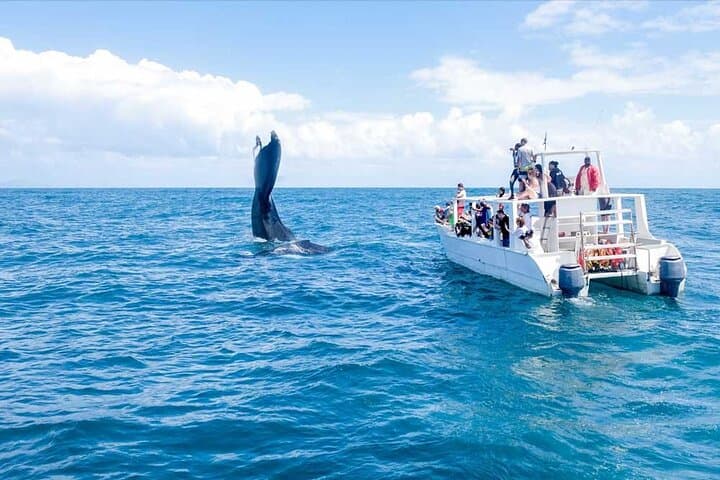
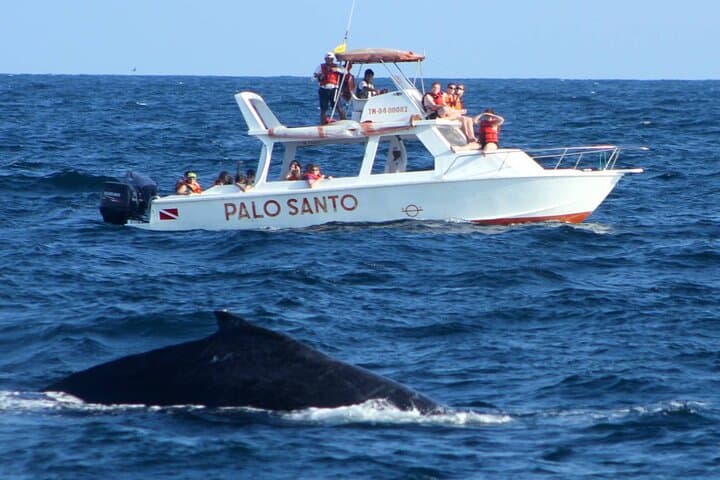
You step onto the boat with salt in your hair and Samana Bay already stretched out like a bright promise. The light is clear, the sea low and patient, and within minutes the boat slips into the open channel where humpback whales stage their seasonal theater. The first blow punctures the morning; a dark back appears, then a tail—like a punctuation mark—slapping the water as if to say, "Notice me." The guide narrows the throttle and the boat becomes an audience on a slow-moving stage.
You step onto the boat with salt in your hair and Samana Bay already stretched out like a bright promise. The light is clear, the sea low and patient, and within minutes the boat slips into the open channel where humpback whales stage their seasonal theater. The first blow punctures the morning; a dark back appears, then a tail—like a punctuation mark—slapping the water as if to say, "Notice me." The guide narrows the throttle and the boat becomes an audience on a slow-moving stage.
Samaná’s humpbacks are part of a North Atlantic migration, arriving between January and March to breed and calve in these warm Caribbean waters. Geologically, the bay is a shallow pocket carved by tectonic uplift and river sediment—an ideal nursery and a place whales return to year after year. Culturally, the Samaná Peninsula carries layers of Taíno history and later waves of European and African influence; the coastline is dotted with fishing coves and the occasional palm that once starred in an old rum commercial, giving Cayo Levantado its popular nickname, "Bacardí Island."
On the water, wildlife takes the lead: male humpbacks sing long, complex songs and compete with dramatic breaching and tail-slapping displays that seem designed for onlookers. Between whale encounters, the boat angles toward Cayo Levantado, where white sand and shallow turquoise water invite a slower tempo—swimming, snorkeling, and a Dominican lunch under palm shade.
Practical side: the total outing runs around six hours, with about two hours dedicated to whale watching and another two on Cayo Levantado. Seas can be calm in the morning but build with afternoon trade winds, so pick earlier departures for better viewing and steadier water. Wear non-slip shoes for boarding, reef-safe sunscreen for snorkeling, and a light wind layer for the return.
Local guides follow regulations to minimize disturbance—approaching whales at regulated speeds and distances—but remember the animals choose the showtimes. Bring patience and a charged camera with a telephoto lens; binoculars make a big difference. If you’re prone to seasickness, take preventive medication before boarding and sit midship where motion is least.
This day cruise delivers two contrasting chapters in one trip: the raw spectacle of humpback behavior and the quiet, sunlit ease of an island beach. For travelers who want marine life as well as a dose of Caribbean relaxation, it’s an efficient and memorable way to spend a morning and afternoon on the Samaná coast.