THE ADVENTURE COLLECTIVE® · Independent discovery and booking for outdoor travel

Board a small boat in Samaná Bay and watch humpback whales breaching and nursing in one of the Caribbean’s most important breeding grounds. This responsible, small-group tour combines local knowledge with conservation-minded viewing for reliable winter sightings.
Board a small boat in Samaná Bay and watch humpback whales breaching and nursing in one of the Caribbean’s most important breeding grounds. This responsible, small-group tour combines local knowledge with conservation-minded viewing for reliable winter sightings.
Morning light slides along the bay as a compact boat slips away from the pier, engines low, everyone scanning the horizon. In Samaná Bay the sea feels alive: swells push the hull gently, and the first sprays on the water horizon promise a close-up of humpbacks that travel here each winter to breed and calve.
Verified experiences and guided adventures in the surrounding area.
Operated by Destino transfer tours · Samaná, Samaná Province
Morning light slides along the bay as a compact boat slips away from the pier, engines low, everyone scanning the horizon. In Samaná Bay the sea feels alive: swells push the hull gently, and the first sprays on the water horizon promise a close-up of humpbacks that travel here each winter to breed and calve.
Geology and history shape the scene — the bay’s broad arc is carved where limestone cliffs give way to sandy coves, and the peninsula’s sheltered waters have been a refuge for maritime life and coastal communities for centuries. Local captains, often from families of fishermen, combine generations of shoreline knowledge with modern conservation rules that protect the Samaná Whale Sanctuary.
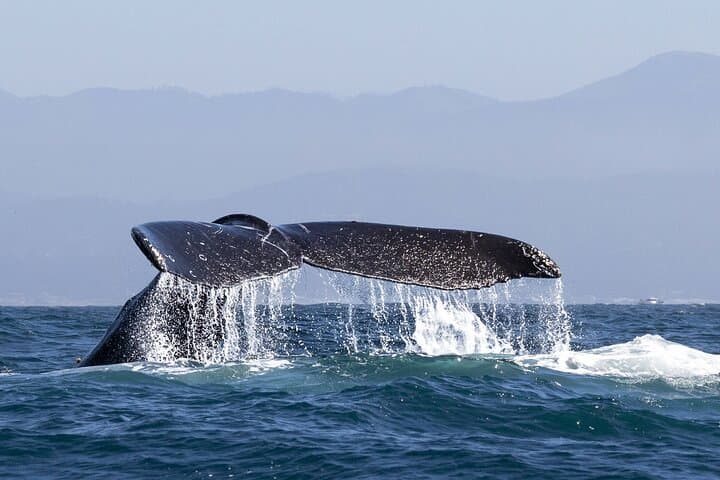
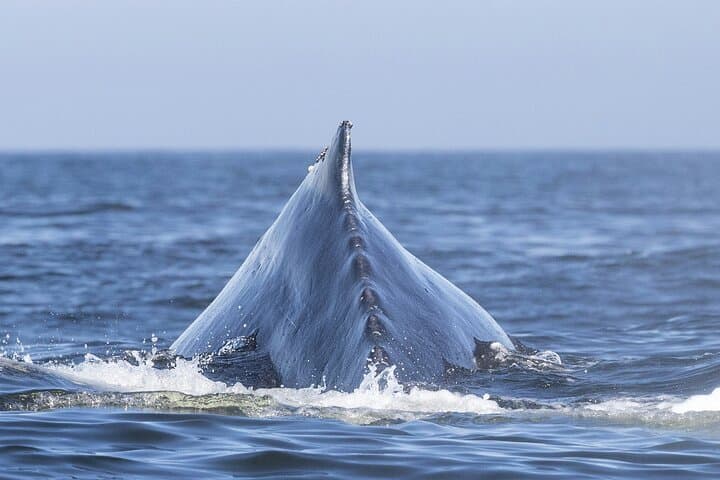
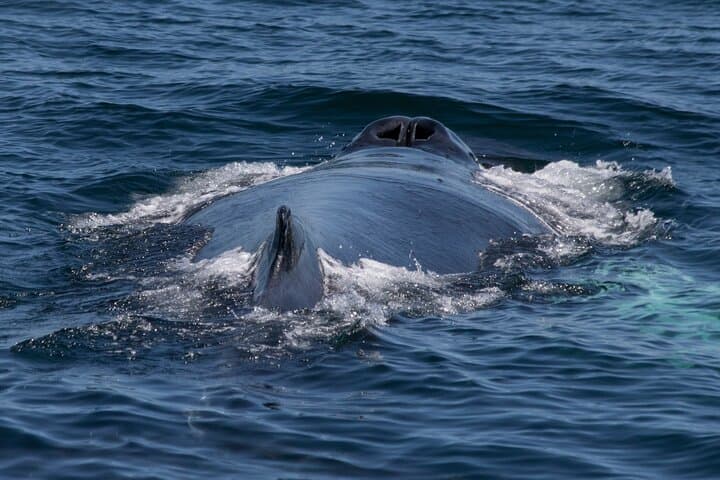
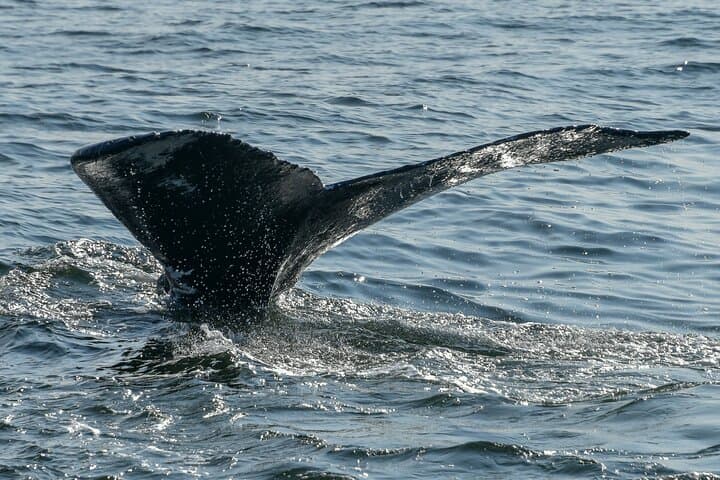
On this half-day outing expect four hours on the water, short transits across protected bay channels, and time scanning open Atlantic patches for blows, tail slaps, and breaches. Guides use a mix of visual spotting and local acoustics; when a mother and calf appear the boat keeps respectful distance and follows regulated approach angles to avoid disturbance.
Practical notes: wear layered sun-protective clothing, a brimmed hat, and non-slip shoes; bring motion-sickness meds if you’re sensitive. Binoculars and a telephoto lens deliver the best photos; phone cameras often struggle at distance. Peak season runs January through March, when encounters are most reliable. Small-group tours improve visibility and lower disturbance — choose operators that follow the sanctuary’s guidelines. With the right prep, this is a focused, accessible wildlife encounter that balances thrill with stewardship.
easy.
4 hours.
Suitable for most fitness levels; requires the ability to board a small boat and remain seated/steady for several hours.
Peak season is January through March when humpback whales arrive to breed and calve; some tours run from mid-December to early April.
Operators follow sanctuary regulations and keep a respectful distance; boats approach at sanctioned angles and do not chase animals—close breaching moments are natural and not guaranteed.
Yes; tours are described as physically easy, but infants often must sit on laps and anyone should be able to board small boats and remain seated for the duration.
Cancellation policies vary; this operator allows full refunds if canceled at least 24 hours before departure and may reschedule or refund for unsafe weather per terms.
The Samaná coast has long been a fishing and maritime hub; the area’s whale sanctuary was established to protect breeding populations that return each winter.
Tours operate within the Samaná Whale Sanctuary, following approach limits and time-at-distance rules to reduce disturbance; use reef-safe products and avoid single-use plastics to minimize impact.
Destino transfer tours operates guided outdoor trips and adventures with an emphasis on safety, stewardship, and memorable experiences.
Morning light slides along the bay as a compact boat slips away from the pier, engines low, everyone scanning the horizon. In Samaná Bay the sea feels alive: swells push the hull gently, and the first sprays on the water horizon promise a close-up of humpbacks that travel here each winter to breed and calve.
Morning light slides along the bay as a compact boat slips away from the pier, engines low, everyone scanning the horizon. In Samaná Bay the sea feels alive: swells push the hull gently, and the first sprays on the water horizon promise a close-up of humpbacks that travel here each winter to breed and calve.
Geology and history shape the scene — the bay’s broad arc is carved where limestone cliffs give way to sandy coves, and the peninsula’s sheltered waters have been a refuge for maritime life and coastal communities for centuries. Local captains, often from families of fishermen, combine generations of shoreline knowledge with modern conservation rules that protect the Samaná Whale Sanctuary.
On this half-day outing expect four hours on the water, short transits across protected bay channels, and time scanning open Atlantic patches for blows, tail slaps, and breaches. Guides use a mix of visual spotting and local acoustics; when a mother and calf appear the boat keeps respectful distance and follows regulated approach angles to avoid disturbance.
Practical notes: wear layered sun-protective clothing, a brimmed hat, and non-slip shoes; bring motion-sickness meds if you’re sensitive. Binoculars and a telephoto lens deliver the best photos; phone cameras often struggle at distance. Peak season runs January through March, when encounters are most reliable. Small-group tours improve visibility and lower disturbance — choose operators that follow the sanctuary’s guidelines. With the right prep, this is a focused, accessible wildlife encounter that balances thrill with stewardship.