THE ADVENTURE COLLECTIVE® · Independent discovery and booking for outdoor travel

Board a morning boat from Las Cañitas and head into the Bay of Samaná to watch humpback whales, then unwind with a beachfront Dominican lunch on Cayo Levantado. This full-day trip pairs wildlife viewing with clear-water swimming and easy island time.
Board a morning boat from Las Cañitas and head into the Bay of Samaná to watch humpback whales, then unwind with a beachfront Dominican lunch on Cayo Levantado. This full-day trip pairs wildlife viewing with clear-water swimming and easy island time.
Morning light slices across the Bay of Samaná as the boat slips away from Las Cañitas Pier — coconut-fringed shorelines receding while the sea widens and the air sharpens with salt. On good days the water itself seems to lean toward the horizon, as if eager to reveal what lives beneath: humpback whales that return each winter to breed and rear calves in these protected waters.
Verified experiences and guided adventures in the surrounding area.
Operated by Scape Caribe Tours & Travel · Santa Bárbara de Samaná, Samaná Province
Morning light slices across the Bay of Samaná as the boat slips away from Las Cañitas Pier — coconut-fringed shorelines receding while the sea widens and the air sharpens with salt. On good days the water itself seems to lean toward the horizon, as if eager to reveal what lives beneath: humpback whales that return each winter to breed and rear calves in these protected waters.
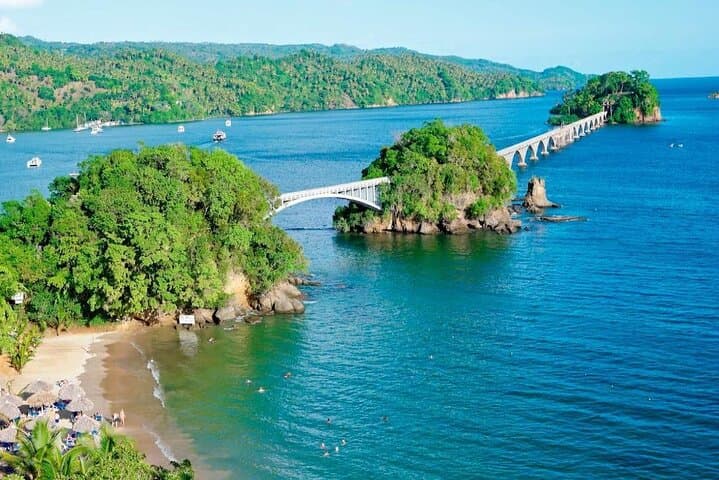
The bay sits in a bowl carved by tectonic shifts and river sediments, and its shallow, warm seas create the seasonal sanctuary whales favor. Cayo Levantado — “Bacardi Island” to many visitors — was once a simple sandbank and has become a social hub: a white-sand beach, a handful of local vendors, and a lunch buffet with Dominican flavors. Culture here mixes Taino, Spanish and Afro-Caribbean threads; fishermen, guides and beach cooks all share stories of the old days and the whales that keep coming.
Practically, expect a two- to three-hour round-trip whale-watching leg and roughly three hours on Cayo Levantado, making a full-day outing. Bring sunscreen, a brimmed hat and motion-sickness meds if you’re prone to sea swell — the bay can be choppy in the morning. Cameras with a good zoom pay off; binoculars are useful but optional. Respect viewing distance rules: experienced local guides steer the boats to minimize disturbance.
Timing matters: the best sightings are mid-winter to early spring when whales aggregate. Arrive early for pickup, carry cash for small purchases, and plan for a relaxed return to Punta Cana after a long, sun-soaked day.
easy.
8–10 hours.
Suitable for most fitness levels; you should be comfortable boarding a small boat and walking on sand.
Sightings are never 100% guaranteed — these are wild animals — but the Bay of Samaná is a high-probability area during peak season and local guides know whale patterns.
Yes; shared transfers from Punta Cana/Bávaro and Bayahibe are typically included with set pickup times — confirm your pickup location when booking.
Most tours include a Dominican buffet-style lunch, non-alcoholic drinks, and some sodas; alcoholic drinks may be additional.
Generally yes — the tour is rated easy physically — but those with mobility issues, pregnancy, or serious heart/back conditions should avoid boat travel and crowded transfers.
Samaná Bay has long been a seasonal calving ground for humpbacks and the region has layered history from Taino inhabitants to Spanish colonial and later Afro-Caribbean and immigrant communities.
The area is regulated as a whale sanctuary with local rules to maintain distance and minimize noise; visitors are encouraged to avoid single-use plastics and follow guide instructions to reduce disturbance.
Scape Caribe Tours & Travel operates guided outdoor trips and adventures with an emphasis on safety, stewardship, and memorable experiences.
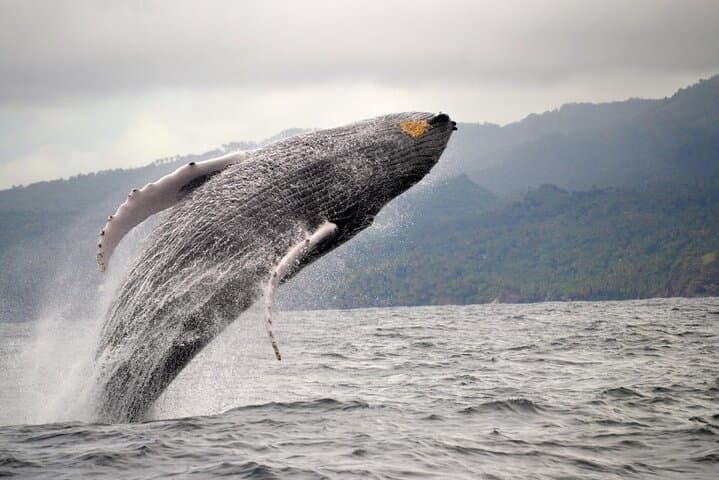
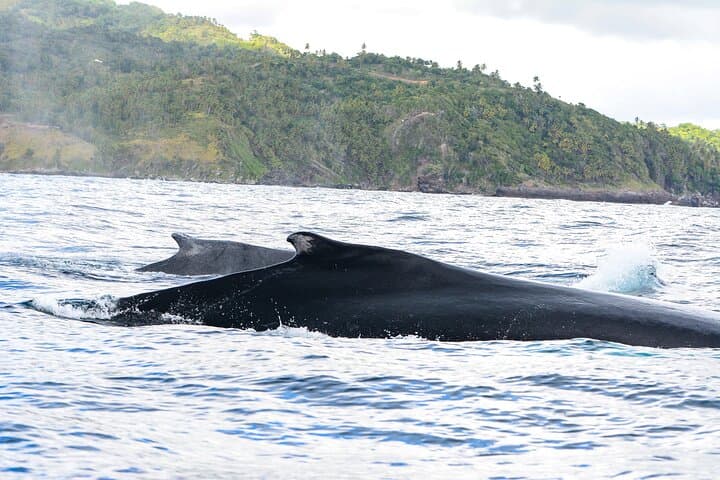
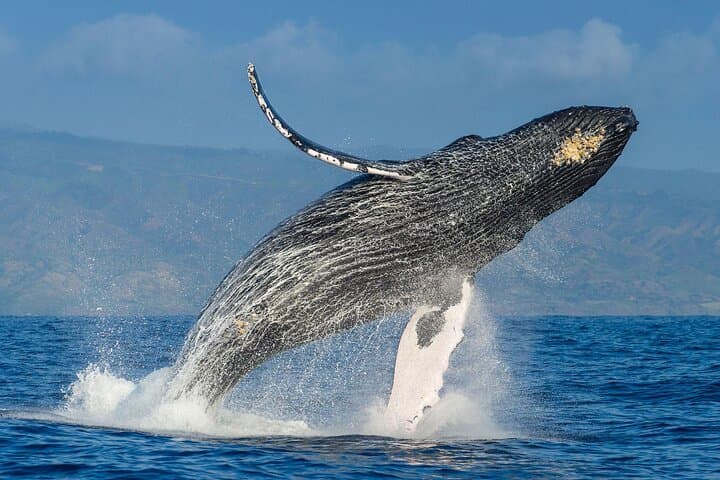
Morning light slices across the Bay of Samaná as the boat slips away from Las Cañitas Pier — coconut-fringed shorelines receding while the sea widens and the air sharpens with salt. On good days the water itself seems to lean toward the horizon, as if eager to reveal what lives beneath: humpback whales that return each winter to breed and rear calves in these protected waters.
Morning light slices across the Bay of Samaná as the boat slips away from Las Cañitas Pier — coconut-fringed shorelines receding while the sea widens and the air sharpens with salt. On good days the water itself seems to lean toward the horizon, as if eager to reveal what lives beneath: humpback whales that return each winter to breed and rear calves in these protected waters.
The bay sits in a bowl carved by tectonic shifts and river sediments, and its shallow, warm seas create the seasonal sanctuary whales favor. Cayo Levantado — “Bacardi Island” to many visitors — was once a simple sandbank and has become a social hub: a white-sand beach, a handful of local vendors, and a lunch buffet with Dominican flavors. Culture here mixes Taino, Spanish and Afro-Caribbean threads; fishermen, guides and beach cooks all share stories of the old days and the whales that keep coming.
Practically, expect a two- to three-hour round-trip whale-watching leg and roughly three hours on Cayo Levantado, making a full-day outing. Bring sunscreen, a brimmed hat and motion-sickness meds if you’re prone to sea swell — the bay can be choppy in the morning. Cameras with a good zoom pay off; binoculars are useful but optional. Respect viewing distance rules: experienced local guides steer the boats to minimize disturbance.
Timing matters: the best sightings are mid-winter to early spring when whales aggregate. Arrive early for pickup, carry cash for small purchases, and plan for a relaxed return to Punta Cana after a long, sun-soaked day.