THE ADVENTURE COLLECTIVE® · Independent discovery and booking for outdoor travel

Set sail from Santa Bárbara de Samaná on an open catamaran to watch humpback whales in their breeding bay, then relax on the sugar sand of Cayo Levantado with a local lunch. This 2–4 hour outing pairs marine wildlife viewing with a beach stop and regional flavors.
Set sail from Santa Bárbara de Samaná on an open catamaran to watch humpback whales in their breeding bay, then relax on the sugar sand of Cayo Levantado with a local lunch. This 2–4 hour outing pairs marine wildlife viewing with a beach stop and regional flavors.
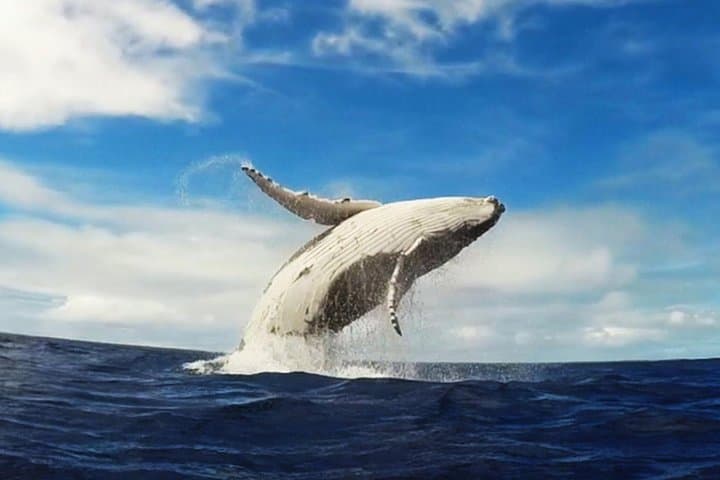
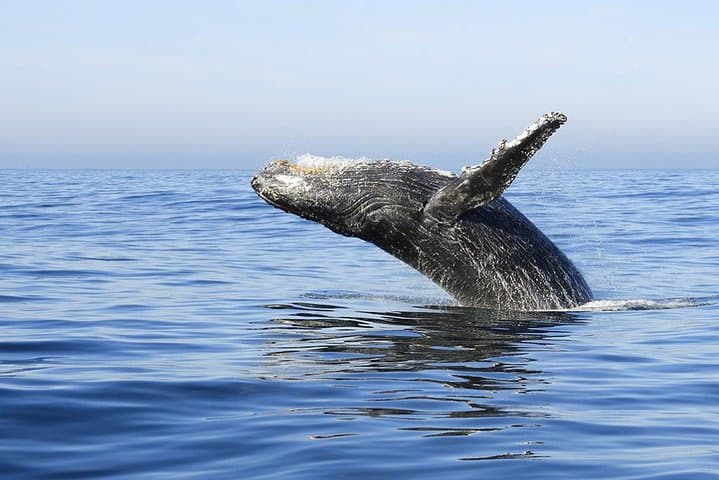
The catamaran slips out of Santa Bárbara de Samaná before the sun has fully warmed the sea, and the bay opens like a wide, breathing thing. Salted air pushes against the sails and the water laughs at the hull; in the distance a dark shape rolls, a humpback exhaling steam into the morning. For two to four hours the ride is a study in scale — small human bodies on a wooden deck and giants that surface, slap, and breach as if daring you to look away.
Verified experiences and guided adventures in the surrounding area.
Operated by The Whales Las Ballenas · Samaná, Samaná
The catamaran slips out of Santa Bárbara de Samaná before the sun has fully warmed the sea, and the bay opens like a wide, breathing thing. Salted air pushes against the sails and the water laughs at the hull; in the distance a dark shape rolls, a humpback exhaling steam into the morning. For two to four hours the ride is a study in scale — small human bodies on a wooden deck and giants that surface, slap, and breach as if daring you to look away.
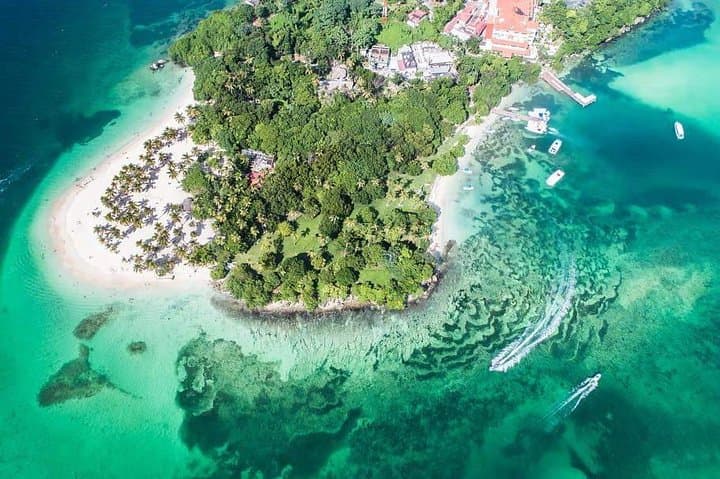
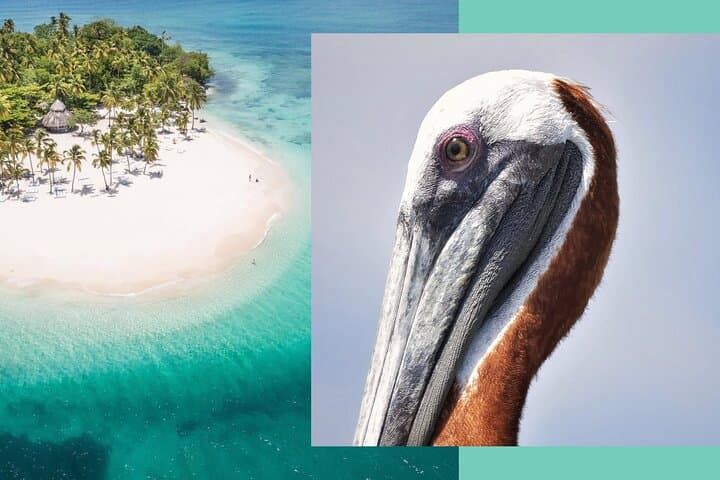
Samana Bay is one of the North Atlantic humpback’s most reliable nurseries. Every winter these whales migrate from northern feeding grounds to mate and calve in the warm, sheltered waters off the Samana Peninsula. Geologically the bay is carved by tectonic uplift and coral growth, its shoreline alternating between mangrove-choked inlets and white-sand pockets like Cayo Levantado, the so-called Bacardi Island that became famous for its postcard beach.
The culture here is maritime and hands-on. Families who long worked as fishermen now know the rhythms of tourism as well — cook a midday lunch of grilled fish and plantains, invite visitors under palms, and trade stories about where the whales tend to appear. Taino and Spanish histories intersect on this coastline, visible in place names and the layered cuisine: citrus-acid, coconut, and local peppers brightening a simple lunch.
Practical note: operators run open catamarans to reduce seasickness compared with small motor skiffs, and this particular tour caps at 20 passengers. Expect 2–4 hours total with a shore stop at Cayo Levantado for swimming and lunch. The company offers meet-at-point pickup; transfers are available for an extra fee. Bring motion-sickness prevention if you’re prone — the bay can be choppy early or late in the season.
Plan for sun and salt. Reef-safe sunscreen, a hat, polarized sunglasses, and a light layer that blocks wind will make the difference between a long day and a slog. Cameras and phones should be secured with straps or tucked into waterproof cases: the best shots come when the boat rocks and the whale decides to breach.
Respect distance and follow guides’ instructions around wildlife; the Dominican Republic enforces viewing distances to protect calves and mothers. Finally, note the operator’s cancellation policy: sales are final, and trips can be canceled for weather or low participation. Book early in peak season (January–March) and ask about the exact meeting point via the provided WhatsApp number so you aren’t scrambling on the morning of the tour.
easy.
2–4 hours.
Suitable for most fitness levels; ability to board a low-profile boat and stand briefly for viewing is required
Peak season runs from January through March, with sightings possible into April; mornings often offer calmer seas and active surface behavior.
The full outing, including whale watching and a stop at Cayo Levantado for swimming and lunch, typically lasts 2–4 hours.
Yes — although catamarans are steadier than small motorboats, conditions vary; bring medication if you are sensitive.
Transfers are not included by default; the operator can arrange pickups for an additional fee—confirm when booking.
All sales are final; trips may be canceled by the operator for bad weather or insufficient travelers, so check schedules closely.
Yes—infants can attend (must sit on laps) and infant seats are available, but note the boat environment and sun exposure.
Samana Bay has long been a seasonal refuge for humpbacks and a corridor for human settlements, including Taino communities and later Spanish colonists; the area’s maritime culture shifted toward tourism in the late 20th century.
Respect marked viewing distances and avoid flash photography; use reef-safe products to reduce harm to corals and coastal ecosystems.
The Whales Las Ballenas operates guided outdoor trips and adventures with an emphasis on safety, stewardship, and memorable experiences.
The catamaran slips out of Santa Bárbara de Samaná before the sun has fully warmed the sea, and the bay opens like a wide, breathing thing. Salted air pushes against the sails and the water laughs at the hull; in the distance a dark shape rolls, a humpback exhaling steam into the morning. For two to four hours the ride is a study in scale — small human bodies on a wooden deck and giants that surface, slap, and breach as if daring you to look away.
The catamaran slips out of Santa Bárbara de Samaná before the sun has fully warmed the sea, and the bay opens like a wide, breathing thing. Salted air pushes against the sails and the water laughs at the hull; in the distance a dark shape rolls, a humpback exhaling steam into the morning. For two to four hours the ride is a study in scale — small human bodies on a wooden deck and giants that surface, slap, and breach as if daring you to look away.
Samana Bay is one of the North Atlantic humpback’s most reliable nurseries. Every winter these whales migrate from northern feeding grounds to mate and calve in the warm, sheltered waters off the Samana Peninsula. Geologically the bay is carved by tectonic uplift and coral growth, its shoreline alternating between mangrove-choked inlets and white-sand pockets like Cayo Levantado, the so-called Bacardi Island that became famous for its postcard beach.
The culture here is maritime and hands-on. Families who long worked as fishermen now know the rhythms of tourism as well — cook a midday lunch of grilled fish and plantains, invite visitors under palms, and trade stories about where the whales tend to appear. Taino and Spanish histories intersect on this coastline, visible in place names and the layered cuisine: citrus-acid, coconut, and local peppers brightening a simple lunch.
Practical note: operators run open catamarans to reduce seasickness compared with small motor skiffs, and this particular tour caps at 20 passengers. Expect 2–4 hours total with a shore stop at Cayo Levantado for swimming and lunch. The company offers meet-at-point pickup; transfers are available for an extra fee. Bring motion-sickness prevention if you’re prone — the bay can be choppy early or late in the season.
Plan for sun and salt. Reef-safe sunscreen, a hat, polarized sunglasses, and a light layer that blocks wind will make the difference between a long day and a slog. Cameras and phones should be secured with straps or tucked into waterproof cases: the best shots come when the boat rocks and the whale decides to breach.
Respect distance and follow guides’ instructions around wildlife; the Dominican Republic enforces viewing distances to protect calves and mothers. Finally, note the operator’s cancellation policy: sales are final, and trips can be canceled for weather or low participation. Book early in peak season (January–March) and ask about the exact meeting point via the provided WhatsApp number so you aren’t scrambling on the morning of the tour.