THE ADVENTURE COLLECTIVE® · Independent discovery and booking for outdoor travel

Spend a full day in Samaná moving from jungle trails on horseback to whale-populated blue waters and the palm-fringed Cayo Levantado. This tour pairs Salto El Limón’s waterfall hike with seasonal humpback watching and beach time on a famed island.
Spend a full day in Samaná moving from jungle trails on horseback to whale-populated blue waters and the palm-fringed Cayo Levantado. This tour pairs Salto El Limón’s waterfall hike with seasonal humpback watching and beach time on a famed island.
The day opens with the bay breathing around you — the hulking backs of humpback whales breaking the surface like slow, deliberate punctuation.
Verified experiences and guided adventures in the surrounding area.
The day opens with the bay breathing around you — the hulking backs of humpback whales breaking the surface like slow, deliberate punctuation.
From a safari truck crossing verdant ridges to a small boat cutting a wake toward Cayo Levantado, this full-day Samana circuit moves between salt, jungle, and river. Horseback tracks climb through secondary forest toward Salto El Limón, where a curtain of water collides with a rocky plunge pool; on the bay, guides search the Sanctuary of the Humpback Whale, active here seasonally from January 15 to March 30.
Geology and history show in the landscape: limestone karst and mangrove-lined coves around Samaná Bay, and former cacao and coffee haciendas that shaped local livelihoods. The area is a crossroad of Taino heritage, colonial-era agriculture, and modern ecotourism — you’ll see both working farms and signs of conservation efforts protecting whale breeding grounds.
Expect varied surfaces: paved roads give way to dirt tracks, riding trails, and a short boat transfer to Cayo Levantado’s white-sand beaches. Plan for sun, sudden showers, and humidity; the itinerary is long (about 11 hours) and includes moderate horseback time and light hiking at the waterfall.
Practical tips: bring reef-safe sunscreen, a dry bag for electronics, sturdy closed-toe shoes for the waterfall approach, and cash for small purchases. Timing matters — whale watching is best mid-morning when animals are active, and earlier departures avoid afternoon showers.
moderate.
11 hours.
Moderately fit: able to sit through boat transfers, enjoy 1–2 hours of horseback riding, and handle short hikes to the waterfall.
Official whale season runs January 15–March 30, with peak sightings typically in February when whales aggregate to breed and calve in Samaná Bay.
Rides vary by operator but commonly range 45–90 minutes one way, over dirt trails and gentle inclines; riders should be comfortable in the saddle for that period.
Yes — the island has calm, clear shallows ideal for swimming; snorkeling is possible off some beaches but conditions vary with tides and boat traffic.
This itinerary includes boat transfers, horseback riding, and uneven trail sections; it is not well suited for travelers with significant mobility restrictions—check with the operator for alternatives.
The Samaná region has long ties to Taino communities and later became a zone of cacao and coffee haciendas that shaped local settlements and routes.
Samaná operates a seasonal humpback whale sanctuary and has growing community-led efforts to reduce single-use plastics and protect coastal reefs.
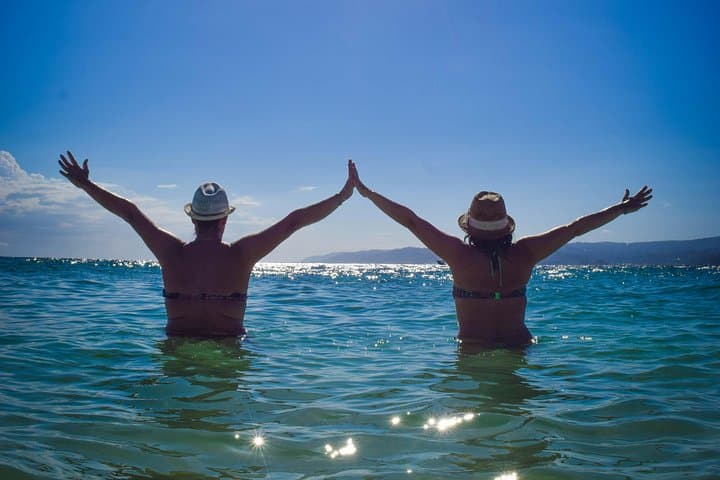
The day opens with the bay breathing around you — the hulking backs of humpback whales breaking the surface like slow, deliberate punctuation.
The day opens with the bay breathing around you — the hulking backs of humpback whales breaking the surface like slow, deliberate punctuation.
From a safari truck crossing verdant ridges to a small boat cutting a wake toward Cayo Levantado, this full-day Samana circuit moves between salt, jungle, and river. Horseback tracks climb through secondary forest toward Salto El Limón, where a curtain of water collides with a rocky plunge pool; on the bay, guides search the Sanctuary of the Humpback Whale, active here seasonally from January 15 to March 30.
Geology and history show in the landscape: limestone karst and mangrove-lined coves around Samaná Bay, and former cacao and coffee haciendas that shaped local livelihoods. The area is a crossroad of Taino heritage, colonial-era agriculture, and modern ecotourism — you’ll see both working farms and signs of conservation efforts protecting whale breeding grounds.
Expect varied surfaces: paved roads give way to dirt tracks, riding trails, and a short boat transfer to Cayo Levantado’s white-sand beaches. Plan for sun, sudden showers, and humidity; the itinerary is long (about 11 hours) and includes moderate horseback time and light hiking at the waterfall.
Practical tips: bring reef-safe sunscreen, a dry bag for electronics, sturdy closed-toe shoes for the waterfall approach, and cash for small purchases. Timing matters — whale watching is best mid-morning when animals are active, and earlier departures avoid afternoon showers.