THE ADVENTURE COLLECTIVE® · Independent discovery and booking for outdoor travel

Spend one long, vivid day on the Samaná Peninsula: a catamaran whale watch across Samana Bay and a horseback trek to the 165-foot El Limón Waterfall. This trip blends marine spectacle with a short rainforest ride and a local lunch.
Spend one long, vivid day on the Samaná Peninsula: a catamaran whale watch across Samana Bay and a horseback trek to the 165-foot El Limón Waterfall. This trip blends marine spectacle with a short rainforest ride and a local lunch.
You push off on a broad-hulled catamaran into Samana Bay where the Atlantic opens and the water begins to speak—slight chop, a gull calling, horizon broken by a dark back and a spray. The boat threads the blue toward the singers of the deep: humpback whales that gather here each winter to breed and calf, breaching and tail-slapping like punctuation in open water.
Verified experiences and guided adventures in the surrounding area.
Operated by Runners Adventures · Santa Bárbara de Samaná, Samaná
You push off on a broad-hulled catamaran into Samana Bay where the Atlantic opens and the water begins to speak—slight chop, a gull calling, horizon broken by a dark back and a spray. The boat threads the blue toward the singers of the deep: humpback whales that gather here each winter to breed and calf, breaching and tail-slapping like punctuation in open water.
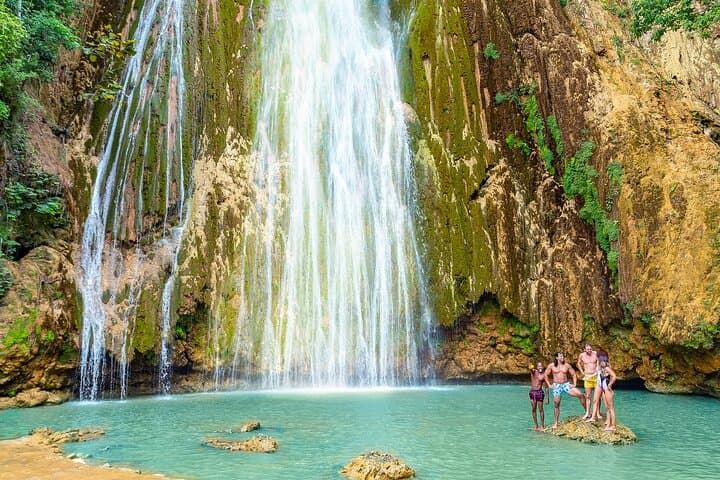
After the salt and sea-spray, the day turns inland. A short horseback ride threads through humid forest, past small plots of coffee, cacao and plantain, until the trail gives way to the thunder of water. El Limón Falls drops roughly 165 feet into a shaded basin; you can feel the mist daring you forward and the limestone bedrock underfoot where water has carved narrow channels for millennia.
This route stitches natural history with local culture—the Samaná Peninsula’s Taino roots, later colonial-era plantations, and a coastal fishing economy still tuned to the whales’ annual arrival. Geologically the peninsula is uplifted limestone with karst valleys that feed waterfalls like El Limón.
Practical guide: the full excursion is long (often 10–13 hours including transport), so bring reef-safe sunscreen, a dry bag for phones, and a reusable water bottle. Expect a moderate fitness requirement for the horseback approach and some uneven steps at the falls. Whale season peaks winter (roughly January–March); if you go outside that window, the forest and waterfall remain rewarding. Mind the guides’ safety briefings around horses and slippery rocks, and give the whales space—observers, not actors, in this marine theatre.
moderate.
10–13 hours.
Moderate fitness: able to mount a horse, walk on uneven, wet surfaces, and tolerate a long day with transport
Humpback whale season in Samaná generally peaks January through March. Tours in that period offer the highest chance of consistent sightings, though sightings are never 100% guaranteed.
Yes—most rides are about 30 minutes on gentle trails and suitable for beginners; guides give basic instruction and horses are used to tourist traffic, but notify operators of any mobility issues.
Expect a full-day outing with moderate activity: boat time, boarding the catamaran, a short horseback ride, and walking on uneven, sometimes slippery paths near the falls.
Children are allowed but infants must sit on an adult’s lap on the transport; some tours have age or height restrictions for horseback riding—check with the operator when booking.
The Samaná Peninsula has Taino heritage and later colonial agricultural history; many inland trails pass small family-run coffee and cacao plots established during the plantation era.
Whale-watching here follows seasonal guidelines to minimize disturbance; use reef-safe sunscreen, avoid single-use plastics, and follow guide instructions to reduce impact on fragile coastal and forest habitats.
Runners Adventures operates guided outdoor trips and adventures with an emphasis on safety, stewardship, and memorable experiences.
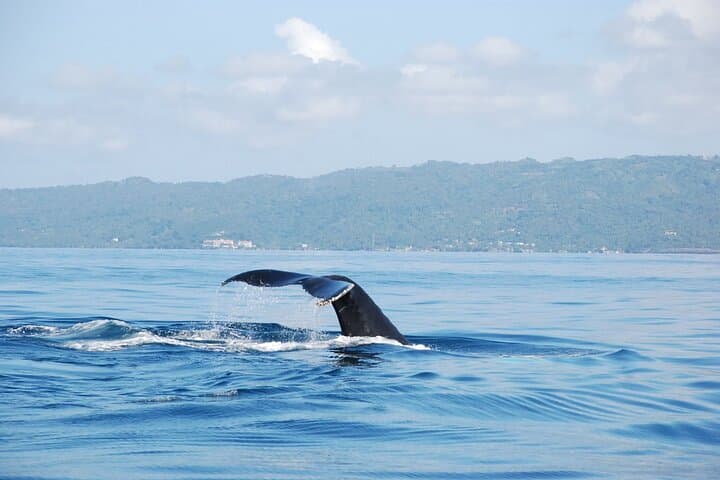
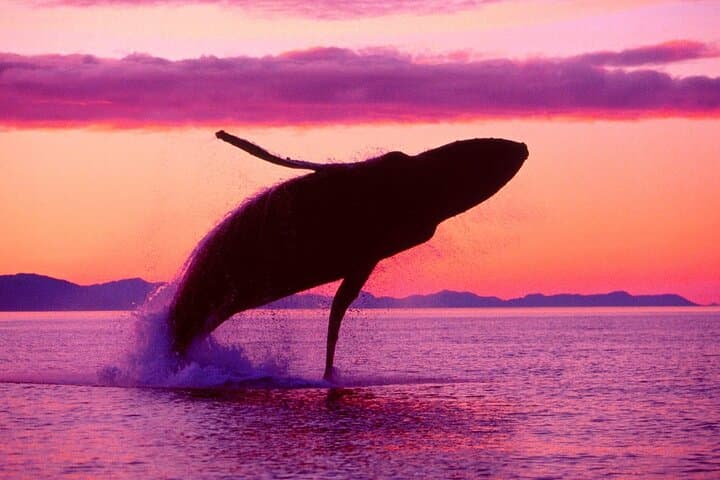
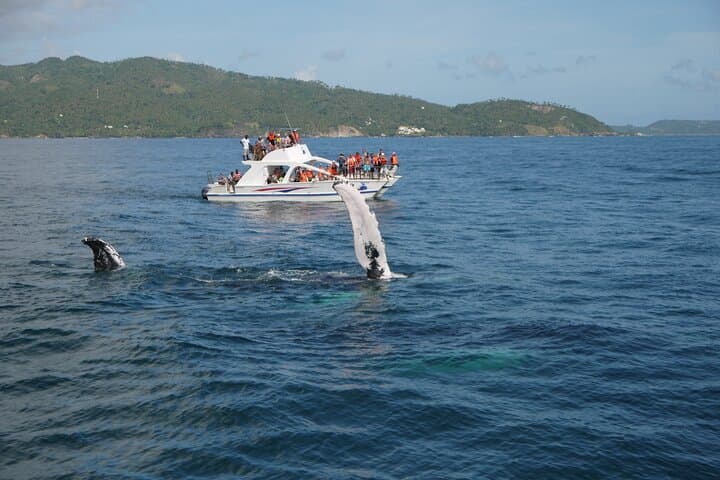
You push off on a broad-hulled catamaran into Samana Bay where the Atlantic opens and the water begins to speak—slight chop, a gull calling, horizon broken by a dark back and a spray. The boat threads the blue toward the singers of the deep: humpback whales that gather here each winter to breed and calf, breaching and tail-slapping like punctuation in open water.
You push off on a broad-hulled catamaran into Samana Bay where the Atlantic opens and the water begins to speak—slight chop, a gull calling, horizon broken by a dark back and a spray. The boat threads the blue toward the singers of the deep: humpback whales that gather here each winter to breed and calf, breaching and tail-slapping like punctuation in open water.
After the salt and sea-spray, the day turns inland. A short horseback ride threads through humid forest, past small plots of coffee, cacao and plantain, until the trail gives way to the thunder of water. El Limón Falls drops roughly 165 feet into a shaded basin; you can feel the mist daring you forward and the limestone bedrock underfoot where water has carved narrow channels for millennia.
This route stitches natural history with local culture—the Samaná Peninsula’s Taino roots, later colonial-era plantations, and a coastal fishing economy still tuned to the whales’ annual arrival. Geologically the peninsula is uplifted limestone with karst valleys that feed waterfalls like El Limón.
Practical guide: the full excursion is long (often 10–13 hours including transport), so bring reef-safe sunscreen, a dry bag for phones, and a reusable water bottle. Expect a moderate fitness requirement for the horseback approach and some uneven steps at the falls. Whale season peaks winter (roughly January–March); if you go outside that window, the forest and waterfall remain rewarding. Mind the guides’ safety briefings around horses and slippery rocks, and give the whales space—observers, not actors, in this marine theatre.