THE ADVENTURE COLLECTIVE® · Independent discovery and booking for outdoor travel

Spend a full day on Samaná Bay watching humpback whales, swimming at Cayo Levantado (Bacardi Island), and visiting the La Farola conservation site. This 8-hour catamaran cruise pairs wildlife viewing with a Creole lunch and beach time.
Spend a full day on Samaná Bay watching humpback whales, swimming at Cayo Levantado (Bacardi Island), and visiting the La Farola conservation site. This 8-hour catamaran cruise pairs wildlife viewing with a Creole lunch and beach time.
The catamaran slips away from the marina as the first light washes across Samaná Bay. Salt air and the low thrum of the engine set the pace; in the distance the water is a shifting highway where humpback whales migrate to birth and court. When a spout rises or a flank carves the surface, the boat's rhythm changes — everyone leans forward, cameras ready, the sea itself daring you to keep up.
Verified experiences and guided adventures in the surrounding area.
Operated by Destination Services Dominican Republic · Santa Bárbara de Samaná, Samaná
The catamaran slips away from the marina as the first light washes across Samaná Bay. Salt air and the low thrum of the engine set the pace; in the distance the water is a shifting highway where humpback whales migrate to birth and court. When a spout rises or a flank carves the surface, the boat's rhythm changes — everyone leans forward, cameras ready, the sea itself daring you to keep up.
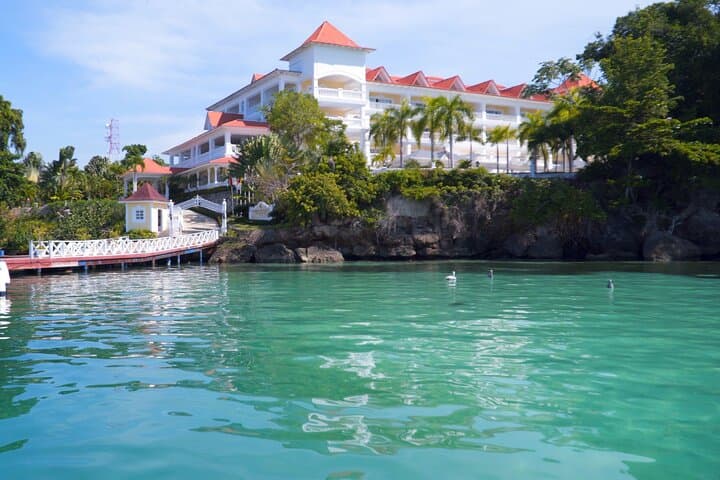
This stretch of the Dominican Republic is geological storybook: coral-fringed islets, mangrove fingers, and a bay carved by tectonics and coral growth. Cayo Levantado — popularly called Bacardi Island after a 1990s ad — is a small crescent of white sand and coconut palms where crews serve Creole-style lunch and swimmers slip into warm, turquoise shallows. La Farola and nearby Cabo Ratón hold mangroves and a small amphibian-research project, highlighting the area's mix of tourism and conservation.
Expect an eight-hour outing that mixes wildlife watching, a beach stop, and short conservation-focused visits. Sightings of humpbacks are most likely in the peak season (Jan–Mar) but never guaranteed; operators keep respectful distance and follow local guidelines. Practical prep: bring reef-safe sunscreen, a wide-brim hat, a waterproof camera or case, and motion-sickness medication if you’re sensitive. Wear supportive sandals or boat shoes and keep a lightweight layer for the wake-chill.
Logistics: hotel pickup is typically provided from Punta Cana-area hotels with a transfer to the port; have ID and any passport info ready. Arrive hydrated and ready for an active, marine-focused day that balances spectacle with stewardship.
moderate.
8 hours.
Moderate fitness—able to stand and move on a rocking boat, walk short sandy stretches, and climb on/off the vessel.
No — sightings are very likely in peak season (January–March) in Samaná Bay, but operators prioritize non-intrusive viewing and cannot guarantee sightings.
Typical inclusions are roundtrip hotel transfer (from most Punta Cana hotels), boat ride, lunch and non-alcoholic drinks on full-day tours, and swim stops—confirm details at booking.
This activity is not recommended for pregnant travelers or people with significant heart or spinal issues due to boat motion and transfer logistics.
Transfer to the port can take up to 1.5 hours; be ready in your hotel lobby about 15 minutes before your scheduled pickup time and confirm pickup with the operator.
Samaná Bay has been a seasonal breeding ground for humpbacks for centuries; Cayo Levantado earned the nickname 'Bacardi Island' after a famous ad campaign that boosted its tourist profile.
Operators in the area follow distance guidelines for whales and support local protection efforts; visitors should use reef-safe sunscreen, avoid disturbing wildlife, and take all trash back to shore.
Destination Services Dominican Republic operates guided outdoor trips and adventures with an emphasis on safety, stewardship, and memorable experiences.

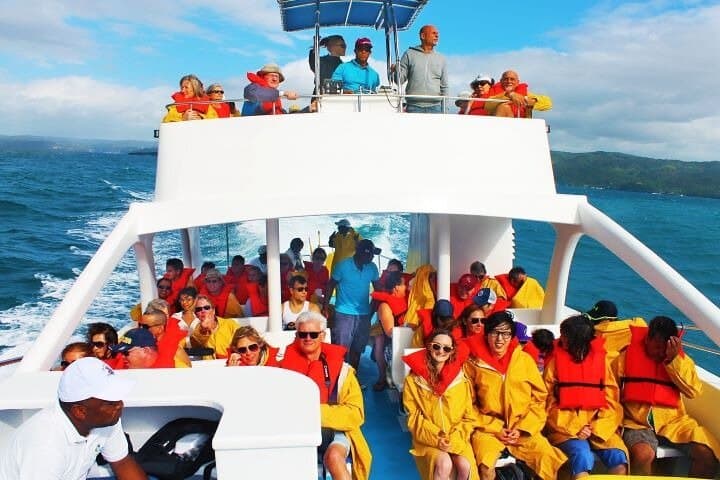

The catamaran slips away from the marina as the first light washes across Samaná Bay. Salt air and the low thrum of the engine set the pace; in the distance the water is a shifting highway where humpback whales migrate to birth and court. When a spout rises or a flank carves the surface, the boat's rhythm changes — everyone leans forward, cameras ready, the sea itself daring you to keep up.
The catamaran slips away from the marina as the first light washes across Samaná Bay. Salt air and the low thrum of the engine set the pace; in the distance the water is a shifting highway where humpback whales migrate to birth and court. When a spout rises or a flank carves the surface, the boat's rhythm changes — everyone leans forward, cameras ready, the sea itself daring you to keep up.
This stretch of the Dominican Republic is geological storybook: coral-fringed islets, mangrove fingers, and a bay carved by tectonics and coral growth. Cayo Levantado — popularly called Bacardi Island after a 1990s ad — is a small crescent of white sand and coconut palms where crews serve Creole-style lunch and swimmers slip into warm, turquoise shallows. La Farola and nearby Cabo Ratón hold mangroves and a small amphibian-research project, highlighting the area's mix of tourism and conservation.
Expect an eight-hour outing that mixes wildlife watching, a beach stop, and short conservation-focused visits. Sightings of humpbacks are most likely in the peak season (Jan–Mar) but never guaranteed; operators keep respectful distance and follow local guidelines. Practical prep: bring reef-safe sunscreen, a wide-brim hat, a waterproof camera or case, and motion-sickness medication if you’re sensitive. Wear supportive sandals or boat shoes and keep a lightweight layer for the wake-chill.
Logistics: hotel pickup is typically provided from Punta Cana-area hotels with a transfer to the port; have ID and any passport info ready. Arrive hydrated and ready for an active, marine-focused day that balances spectacle with stewardship.