THE ADVENTURE COLLECTIVE® · Independent discovery and booking for outdoor travel

Board a catamaran from Samaná for a full-day whale-watching excursion, then relax on Cayo Levantado’s white sand with a local buffet. This seasonal trip combines reliable humpback sightings with a tropical island swim and straightforward beach time.
Board a catamaran from Samaná for a full-day whale-watching excursion, then relax on Cayo Levantado’s white sand with a local buffet. This seasonal trip combines reliable humpback sightings with a tropical island swim and straightforward beach time.
The catamaran slips out of the harbor and the bay opens like a breathing thing — blue flat at the edges, playful toward the middle. Salt and diesel mix with the bright tang of sunscreen as the skipper scans the horizon; within the hour a spray, a blow, and the rolling bulk of a humpback announce themselves. Onboard, passengers move from rail to rail, cameras ready, while the sea seems to push the boat into a slow, respectful orbit around the animals.
Verified experiences and guided adventures in the surrounding area.
Operated by Cafetours · Samaná, Samaná
The catamaran slips out of the harbor and the bay opens like a breathing thing — blue flat at the edges, playful toward the middle. Salt and diesel mix with the bright tang of sunscreen as the skipper scans the horizon; within the hour a spray, a blow, and the rolling bulk of a humpback announce themselves. Onboard, passengers move from rail to rail, cameras ready, while the sea seems to push the boat into a slow, respectful orbit around the animals.
The Samaná Peninsula has been a seasonal breeding ground for North Atlantic humpbacks for generations. Geologically, the bay is a wide, protected embayment hemmed by low limestone ridges and sandy spits; those shallow, warm waters are what attract whales to calve and court. Culturally, nearby communities mix fishing traditions with growing eco-tourism, and small islands off the bay — Cayo Levantado among them — carry nicknames and local stories born from rum-era commerce and modern hospitality.
Practical guidance: expect a 6–8 hour outing that includes several hours aboard a catamaran, roughly an hour of focused whale observation, and a beachfront stop on Cayo Levantado for a buffet lunch and beach time. Seas can be choppy; bring motion-sickness medicine, a sun hat, reusable water bottle, and reef-safe sunscreen. Respect guides’ instructions on approach distances to whales; these tours operate in a narrow January–March window when whales are most reliably present. Bring cash for small purchases and a towel for the island swim. With basic preparation, the day balances wildlife viewing, light sea travel, and an easy tropical beach interlude — a compact, memorable Samana experience.
easy.
6–8 hours.
Light physical fitness; able to board a boat and walk on sandy beach for a few hours.
The highest likelihood is mid-January through late March when North Atlantic humpbacks come to Samaná Bay to breed and calf.
Many operators accommodate children and provide accessible transport options, but check in advance about boarding assistance and transfer needs.
Guides follow local regulations and best practices: boats keep a respectful distance and maneuver to observe without disturbing the animals.
Bring swimwear, towel, sun protection, small cash for extras, and a dry bag for valuables during the beach visit.
Samaná Bay has long been an important fishing and trading area; its sheltered waters have supported coastal communities and, more recently, seasonal whale-focused tourism.
Whale-watching in the bay follows seasonal guidelines to protect breeding humpbacks; visitors are asked to minimize noise and maintain distance to reduce disturbance.
Cafetours operates guided outdoor trips and adventures with an emphasis on safety, stewardship, and memorable experiences.


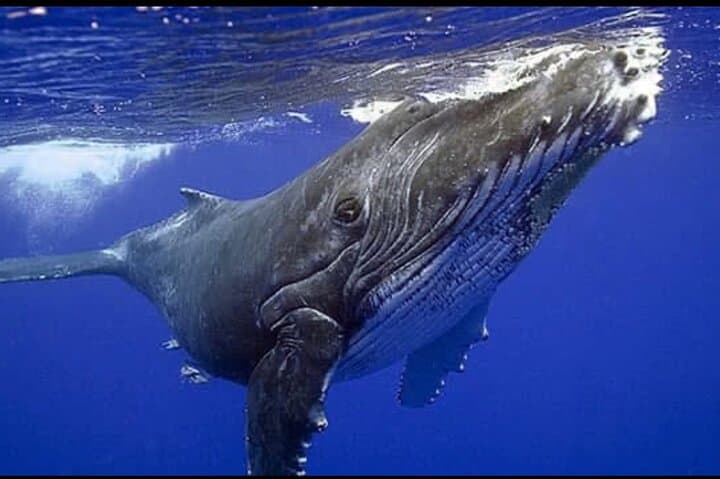

The catamaran slips out of the harbor and the bay opens like a breathing thing — blue flat at the edges, playful toward the middle. Salt and diesel mix with the bright tang of sunscreen as the skipper scans the horizon; within the hour a spray, a blow, and the rolling bulk of a humpback announce themselves. Onboard, passengers move from rail to rail, cameras ready, while the sea seems to push the boat into a slow, respectful orbit around the animals.
The catamaran slips out of the harbor and the bay opens like a breathing thing — blue flat at the edges, playful toward the middle. Salt and diesel mix with the bright tang of sunscreen as the skipper scans the horizon; within the hour a spray, a blow, and the rolling bulk of a humpback announce themselves. Onboard, passengers move from rail to rail, cameras ready, while the sea seems to push the boat into a slow, respectful orbit around the animals.
The Samaná Peninsula has been a seasonal breeding ground for North Atlantic humpbacks for generations. Geologically, the bay is a wide, protected embayment hemmed by low limestone ridges and sandy spits; those shallow, warm waters are what attract whales to calve and court. Culturally, nearby communities mix fishing traditions with growing eco-tourism, and small islands off the bay — Cayo Levantado among them — carry nicknames and local stories born from rum-era commerce and modern hospitality.
Practical guidance: expect a 6–8 hour outing that includes several hours aboard a catamaran, roughly an hour of focused whale observation, and a beachfront stop on Cayo Levantado for a buffet lunch and beach time. Seas can be choppy; bring motion-sickness medicine, a sun hat, reusable water bottle, and reef-safe sunscreen. Respect guides’ instructions on approach distances to whales; these tours operate in a narrow January–March window when whales are most reliably present. Bring cash for small purchases and a towel for the island swim. With basic preparation, the day balances wildlife viewing, light sea travel, and an easy tropical beach interlude — a compact, memorable Samana experience.