THE ADVENTURE COLLECTIVE® · Independent discovery and booking for outdoor travel

Explore Salvador’s Pelourinho on a full‑day guided tour that pairs panoramic coastal views with deep colonial and Afro‑Brazilian history. This practical tour includes lunch, a ride on the Lacerda Elevator and stops at São Francisco Church and Mercado Modelo.
Explore Salvador’s Pelourinho on a full‑day guided tour that pairs panoramic coastal views with deep colonial and Afro‑Brazilian history. This practical tour includes lunch, a ride on the Lacerda Elevator and stops at São Francisco Church and Mercado Modelo.
Strolling into Pelourinho feels like stepping across a seam in time: cobblestones click underfoot, plastered colonial facades catch the Atlantic light, and the bay calls from below. The tour begins at Farol da Barra and the 16th‑century fort—where the Bay of All Saints dares the wind—and moves through wide avenues and cramped alleys that frame Salvador’s layered story.
Verified experiences and guided adventures in the surrounding area.
Operated by Gray Line Brazil · Salvador, Bahia
Strolling into Pelourinho feels like stepping across a seam in time: cobblestones click underfoot, plastered colonial facades catch the Atlantic light, and the bay calls from below. The tour begins at Farol da Barra and the 16th‑century fort—where the Bay of All Saints dares the wind—and moves through wide avenues and cramped alleys that frame Salvador’s layered story.
Portuguese colonists carved the upper city from coastal escarpments, and the architecture still reads like a ledger of power—baroque churches, merchant palaces and the gilded São Francisco complex. African cultures reshaped the place: Candomblé rites, capoeira rhythms and Bahian cuisine all arrived with the people forced across the Atlantic and remade the city’s identity.
Geology is part of the show: the Lacerda Elevator bridges the high and low city over a limestone escarpment, giving true vantage on harbor geometry and tidal movement. Culture is tactile—Jorge Amado’s novels, Carnival circuits, and the market stalls where local artisans work in public.
Practical guidance: this is a 9‑hour, mostly low‑effort walking and coach tour with lunch included. Expect periods of sun and short stair climbs; bring small BRL coins for the Lacerda Elevator and modest clothing for church visits. Morning departures avoid the hottest hours; comfortable shoes and a refillable water bottle make a big difference.
The pace balances panoramic stops with deeper dives—São Francisco’s carved interiors, a quick market browse, and a quiet moment at Our Lord of Bonfim. For first‑time visitors, it’s an efficient way to orient yourself to Salvador’s history, landscape and living culture.
easy.
9 hours.
Suitable for most fitness levels; involves city walking on uneven cobbles and short stair climbs.
Some churches permit free entry while key sites like São Francisco and certain forts may charge admission; the tour indicates which admissions are included.
Most operators can accommodate common dietary needs if notified in advance—indicate restrictions when booking or reconfirming the tour.
The tour is described as suitable for all fitness levels, but cobblestones and stairs may limit access; contact the operator in advance to arrange pickup/drop‑off details.
Guides typically speak Portuguese and often offer commentary in English; check with the operator when you reconfirm your booking.
Salvador was Brazil’s first colonial capital and a major Atlantic slave port; its architecture and religious practices reflect centuries of Portuguese and African cultural exchange.
Historic centers face wear from heavy tourism—support preservation by buying from local artisans, staying on marked paths and reducing single‑use plastics.
Gray Line Brazil operates guided outdoor trips and adventures with an emphasis on safety, stewardship, and memorable experiences.
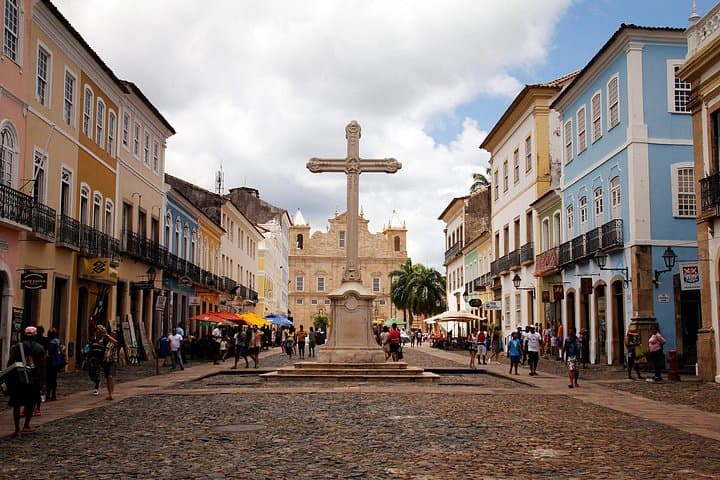
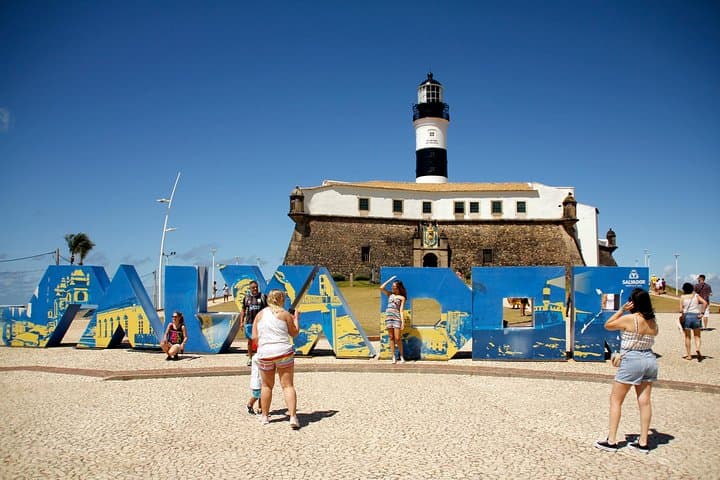
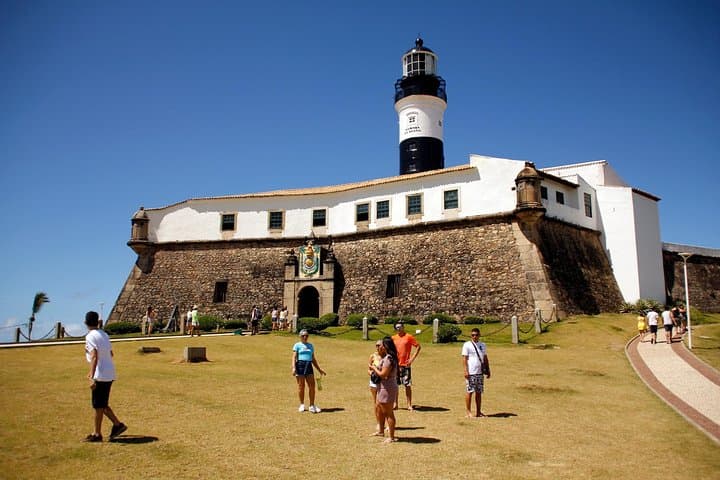
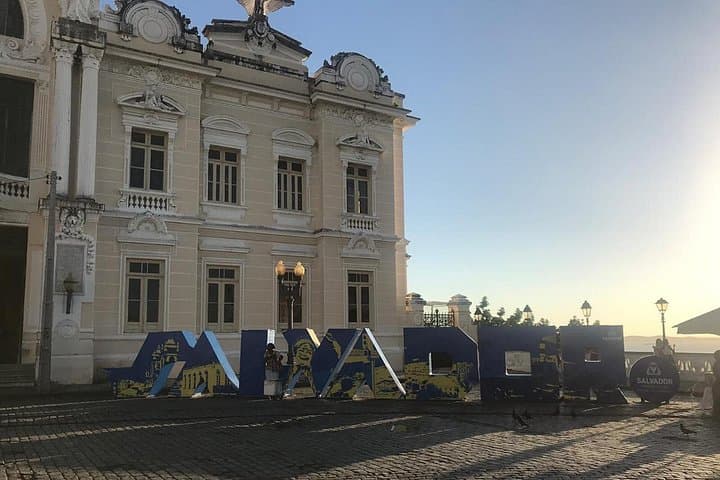
Strolling into Pelourinho feels like stepping across a seam in time: cobblestones click underfoot, plastered colonial facades catch the Atlantic light, and the bay calls from below. The tour begins at Farol da Barra and the 16th‑century fort—where the Bay of All Saints dares the wind—and moves through wide avenues and cramped alleys that frame Salvador’s layered story.
Strolling into Pelourinho feels like stepping across a seam in time: cobblestones click underfoot, plastered colonial facades catch the Atlantic light, and the bay calls from below. The tour begins at Farol da Barra and the 16th‑century fort—where the Bay of All Saints dares the wind—and moves through wide avenues and cramped alleys that frame Salvador’s layered story.
Portuguese colonists carved the upper city from coastal escarpments, and the architecture still reads like a ledger of power—baroque churches, merchant palaces and the gilded São Francisco complex. African cultures reshaped the place: Candomblé rites, capoeira rhythms and Bahian cuisine all arrived with the people forced across the Atlantic and remade the city’s identity.
Geology is part of the show: the Lacerda Elevator bridges the high and low city over a limestone escarpment, giving true vantage on harbor geometry and tidal movement. Culture is tactile—Jorge Amado’s novels, Carnival circuits, and the market stalls where local artisans work in public.
Practical guidance: this is a 9‑hour, mostly low‑effort walking and coach tour with lunch included. Expect periods of sun and short stair climbs; bring small BRL coins for the Lacerda Elevator and modest clothing for church visits. Morning departures avoid the hottest hours; comfortable shoes and a refillable water bottle make a big difference.
The pace balances panoramic stops with deeper dives—São Francisco’s carved interiors, a quick market browse, and a quiet moment at Our Lord of Bonfim. For first‑time visitors, it’s an efficient way to orient yourself to Salvador’s history, landscape and living culture.