THE ADVENTURE COLLECTIVE® · Independent discovery and booking for outdoor travel

Stand above a channel where the sea moves with shocking speed. This short guided trip times peak tides so you can watch Saltstraumen’s whirlpools safely, learn the local history, and capture dramatic photos.
Stand above a channel where the sea moves with shocking speed. This short guided trip times peak tides so you can watch Saltstraumen’s whirlpools safely, learn the local history, and capture dramatic photos.
A chill wind cuts across the viewing platform as the fjord exhales. Below, water races through a narrow channel, carving boiling eddies and ragged whirlpools that dare you closer. On a guided visit to Saltstraumen, that roar becomes the day’s soundtrack—waves slamming against rock, gulls riding the gusts, guides timing the spectacle like conductors.
Verified experiences and guided adventures in the surrounding area.
Operated by Faisal · Bodø, Nordland
A chill wind cuts across the viewing platform as the fjord exhales. Below, water races through a narrow channel, carving boiling eddies and ragged whirlpools that dare you closer. On a guided visit to Saltstraumen, that roar becomes the day’s soundtrack—waves slamming against rock, gulls riding the gusts, guides timing the spectacle like conductors.
Saltstraumen sits where Saltfjorden and Skjerstadfjorden meet; the narrow strait concentrates tidal exchange into explosive currents. People have lived on these banks since the Stone Age—archaeologists have found hunting sites dating back thousands of years—and local coastal culture still orients around fishing, tides, and sea knowledge. Geologically, the channel’s steep sides and shallow sill accelerate water flow; during spring tides or new and full moons, the exchange intensifies and whirlpools reach their greatest size.
Practical guidance is straightforward: timing is everything. Tours use tidal timetables to position you at peak flow; aim for new or full moon windows for the strongest currents. Wear windproof layers and sturdy shoes—the viewing areas can spray and get slippery. Binoculars and a telephoto lens bring distant boils into frame; keep to fenced viewpoints and follow the guide’s safety brief. The site is largely accessible by road and many tours include private transport from Bodø. If you plan to explore beyond the bridge, pair the visit with nearby coastal trails or the historic trading post at Kjerringøy for a longer day of shoreline culture and light-hunting photography.
Expect a short, high-impact outing: dramatic water dynamics, concise local history, and clear safety rules that keep the danger visible but manageable.
easy.
1–2 hours.
Suitable for most fitness levels; mostly short walks and standing at viewpoints.
Tidal peaks occur around new and full moons and vary by day; tours use timetables to arrive at the strongest flows, typically around the high tidal exchange windows.
Yes, when you stay in designated viewing areas and follow guides’ instructions; the currents are powerful and dangerous off-limits zones are clearly marked.
Swimming or entering the channel is extremely dangerous and not permitted; strong tidal pulls and underwater currents make it unsafe.
There are wheelchair-accessible viewing areas and many tours note accessibility—confirm pickup and specific access needs when booking.
Humans have occupied the Saltstraumen area since the Stone Age; archaeological sites show coastal hunting settlements thousands of years old.
The tidal system supports rich marine life; visitors should avoid disturbing shorelines, pack out trash, and stick to marked paths to protect habitats.
Faisal operates guided outdoor trips and adventures with an emphasis on safety, stewardship, and memorable experiences.
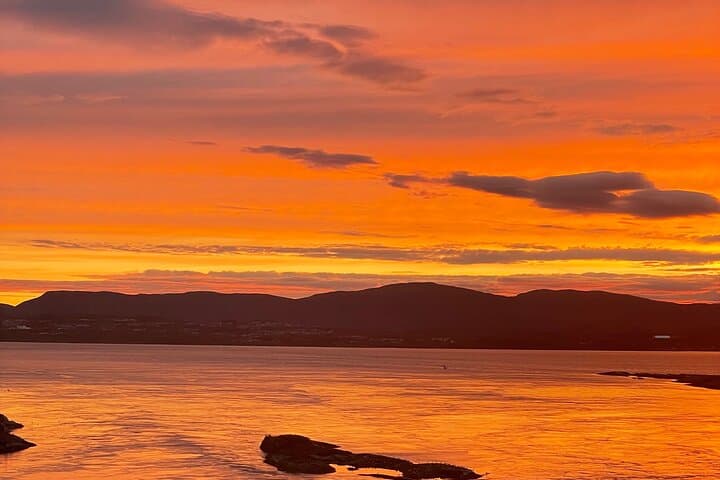
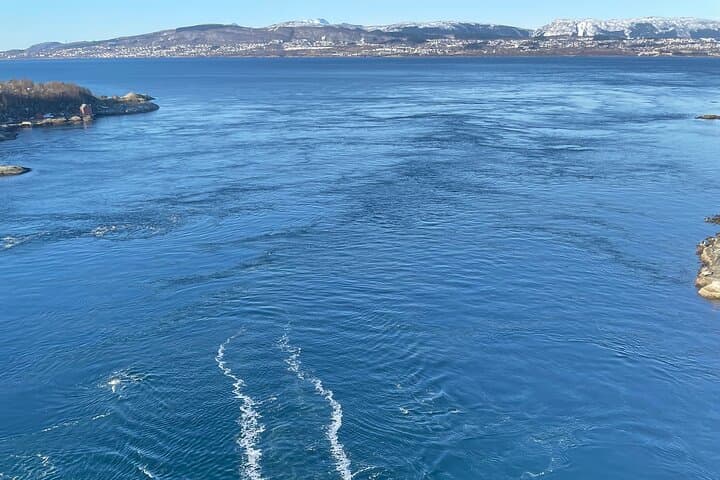
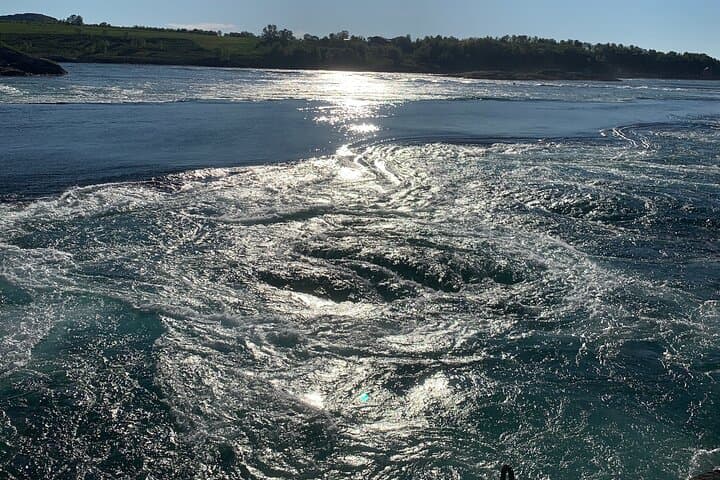
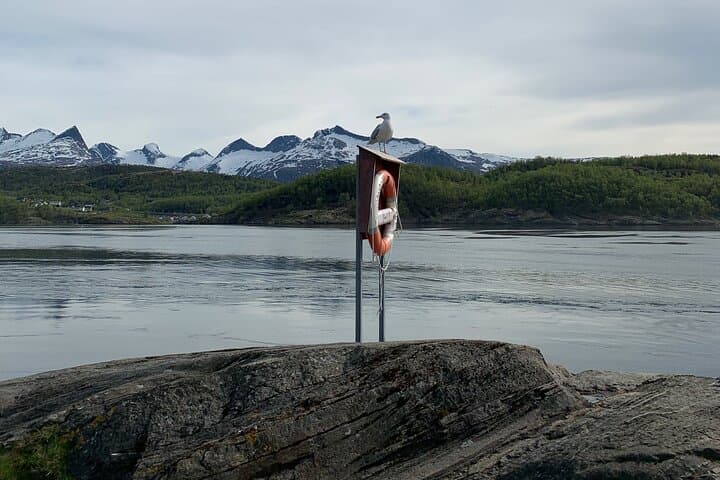
A chill wind cuts across the viewing platform as the fjord exhales. Below, water races through a narrow channel, carving boiling eddies and ragged whirlpools that dare you closer. On a guided visit to Saltstraumen, that roar becomes the day’s soundtrack—waves slamming against rock, gulls riding the gusts, guides timing the spectacle like conductors.
A chill wind cuts across the viewing platform as the fjord exhales. Below, water races through a narrow channel, carving boiling eddies and ragged whirlpools that dare you closer. On a guided visit to Saltstraumen, that roar becomes the day’s soundtrack—waves slamming against rock, gulls riding the gusts, guides timing the spectacle like conductors.
Saltstraumen sits where Saltfjorden and Skjerstadfjorden meet; the narrow strait concentrates tidal exchange into explosive currents. People have lived on these banks since the Stone Age—archaeologists have found hunting sites dating back thousands of years—and local coastal culture still orients around fishing, tides, and sea knowledge. Geologically, the channel’s steep sides and shallow sill accelerate water flow; during spring tides or new and full moons, the exchange intensifies and whirlpools reach their greatest size.
Practical guidance is straightforward: timing is everything. Tours use tidal timetables to position you at peak flow; aim for new or full moon windows for the strongest currents. Wear windproof layers and sturdy shoes—the viewing areas can spray and get slippery. Binoculars and a telephoto lens bring distant boils into frame; keep to fenced viewpoints and follow the guide’s safety brief. The site is largely accessible by road and many tours include private transport from Bodø. If you plan to explore beyond the bridge, pair the visit with nearby coastal trails or the historic trading post at Kjerringøy for a longer day of shoreline culture and light-hunting photography.
Expect a short, high-impact outing: dramatic water dynamics, concise local history, and clear safety rules that keep the danger visible but manageable.