THE ADVENTURE COLLECTIVE® · Independent discovery and booking for outdoor travel

Two days across the Quebrada de Humahuaca and Salinas Grandes deliver high-altitude landscapes, colorful sedimentary hills, and living Andean culture. This guided circuit balances easy short walks with long scenic drives and local-market stops.
Two days across the Quebrada de Humahuaca and Salinas Grandes deliver high-altitude landscapes, colorful sedimentary hills, and living Andean culture. This guided circuit balances easy short walks with long scenic drives and local-market stops.
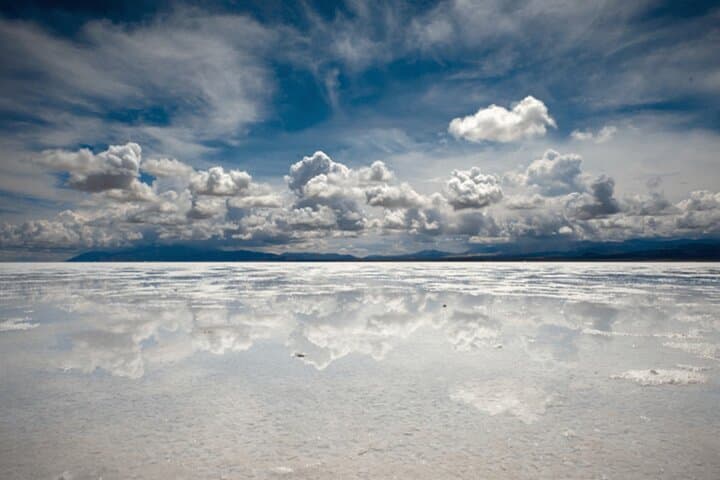
Morning light strips the valley as the coach leaves Salta, and the high puna opens like a page of geological history. By the time you crest Cuesta de Lipán at 4,170 meters the air thins and the road seems to push you forward toward a white plain that dares you to step out and measure distance against the horizon: Salinas Grandes.
Verified experiences and guided adventures in the surrounding area.
Operated by La Quebrada Turismo · Salta, Salta Province
Morning light strips the valley as the coach leaves Salta, and the high puna opens like a page of geological history. By the time you crest Cuesta de Lipán at 4,170 meters the air thins and the road seems to push you forward toward a white plain that dares you to step out and measure distance against the horizon: Salinas Grandes.
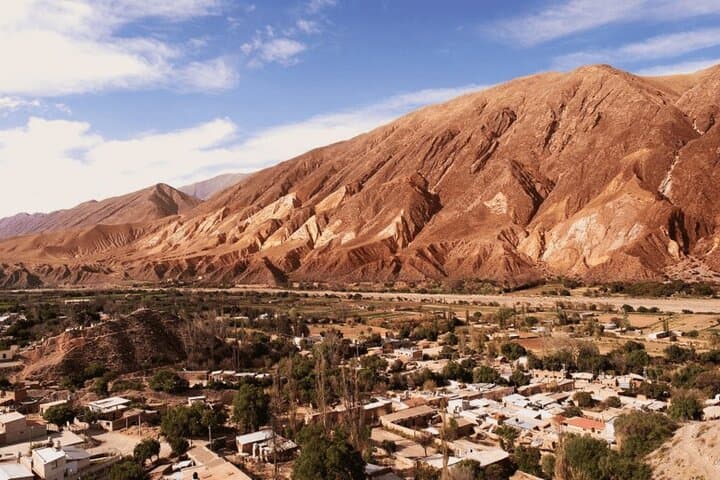
This two-day circuit threads colonial towns, indigenous markets and layered foothills of the Quebrada de Humahuaca — a UNESCO-listed corridor shaped by tectonics and ancient salt deposits. Purmamarca’s Cerro de los Siete Colores records millennia of sediment and mineral shifts in painted bands, while Tilcara’s Pucará speaks to pre-Columbian settlement and defensive strategies on high ground. Humahuaca’s town center retains Spanish-era plazas and Andean traditions, and ceramics workshops in nearby villages keep centuries-old techniques alive.
Expect brisk mountain air, sharp sunlight, and a mix of short walks and long drives. The salt flats offer surreal photos and the chance to see local salt sculptures and a community-run salt restaurant, but remember the entrance fee supports nearby villages. Cultural exchange is part of the trip: markets brim with woven goods, and vendors often explain materials and motifs.
Practical notes: acclimatize in Salta before departure, drink plenty of water, and bring layers—temperatures swing widely between puna nights and daytime sun. Footwear should be comfortable for uneven cobbles and short high-altitude walks. Plan for limited services on the flats and cash for local fees and souvenirs.
moderate.
2 days.
Light to moderate fitness: long vehicle transfers with short low-impact walks at high altitude; be comfortable standing and walking on uneven surfaces.
No, the entrance fee is paid locally to regional communities and is not included in the tour price.
Yes—there are scheduled free periods in both towns for walking, shopping and visiting key sites like the Cerro de los Siete Colores and local markets.
Symptoms can occur above 3,000–4,000 m; acclimatize in Salta, hydrate, avoid alcohol and rest if you feel unwell—notify guides immediately if symptoms persist.
The itinerary includes free time for meals but does not include all meals; some stops have small restaurants, including a salt-restaurant at Salinas Grandes, and markets in Purmamarca offer local options.
The Quebrada de Humahuaca has been an Andean transit corridor for millennia and is a UNESCO World Heritage site for its cultural landscape and archaeological sites.
Entrance fees support local communities; stick to marked paths, avoid collecting salt or artifacts, and buy crafts directly from artisans to support the local economy.
La Quebrada Turismo operates guided outdoor trips and adventures with an emphasis on safety, stewardship, and memorable experiences.
Morning light strips the valley as the coach leaves Salta, and the high puna opens like a page of geological history. By the time you crest Cuesta de Lipán at 4,170 meters the air thins and the road seems to push you forward toward a white plain that dares you to step out and measure distance against the horizon: Salinas Grandes.
Morning light strips the valley as the coach leaves Salta, and the high puna opens like a page of geological history. By the time you crest Cuesta de Lipán at 4,170 meters the air thins and the road seems to push you forward toward a white plain that dares you to step out and measure distance against the horizon: Salinas Grandes.
This two-day circuit threads colonial towns, indigenous markets and layered foothills of the Quebrada de Humahuaca — a UNESCO-listed corridor shaped by tectonics and ancient salt deposits. Purmamarca’s Cerro de los Siete Colores records millennia of sediment and mineral shifts in painted bands, while Tilcara’s Pucará speaks to pre-Columbian settlement and defensive strategies on high ground. Humahuaca’s town center retains Spanish-era plazas and Andean traditions, and ceramics workshops in nearby villages keep centuries-old techniques alive.
Expect brisk mountain air, sharp sunlight, and a mix of short walks and long drives. The salt flats offer surreal photos and the chance to see local salt sculptures and a community-run salt restaurant, but remember the entrance fee supports nearby villages. Cultural exchange is part of the trip: markets brim with woven goods, and vendors often explain materials and motifs.
Practical notes: acclimatize in Salta before departure, drink plenty of water, and bring layers—temperatures swing widely between puna nights and daytime sun. Footwear should be comfortable for uneven cobbles and short high-altitude walks. Plan for limited services on the flats and cash for local fees and souvenirs.