THE ADVENTURE COLLECTIVE® · Independent discovery and booking for outdoor travel

A full-day loop from Salta that threads the sculpted cliffs of Quebrada de las Conchas and finishes with wine tasting in sunlit Cafayate. Expect dramatic geology, colonial-era streets, and a sampling of Torrontés and Malbec.
A full-day loop from Salta that threads the sculpted cliffs of Quebrada de las Conchas and finishes with wine tasting in sunlit Cafayate. Expect dramatic geology, colonial-era streets, and a sampling of Torrontés and Malbec.
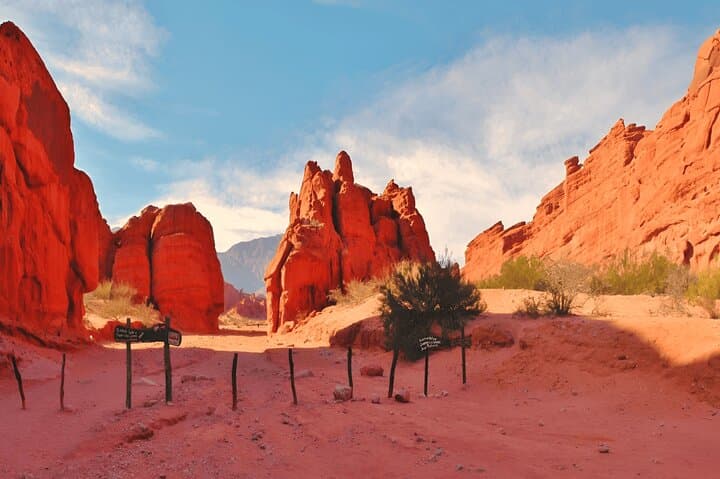
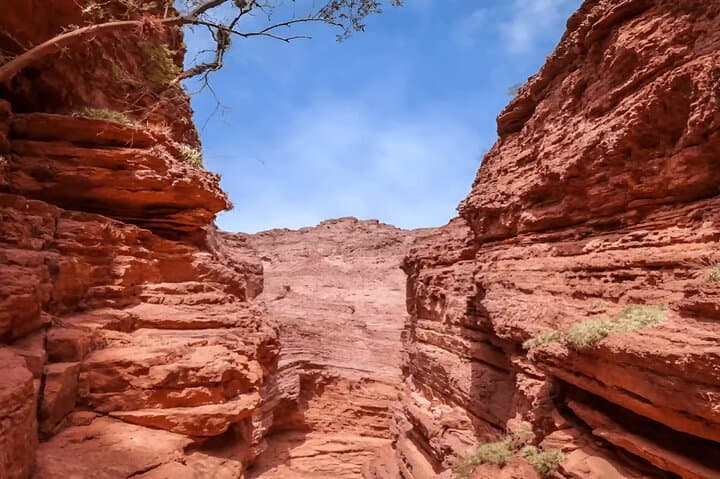
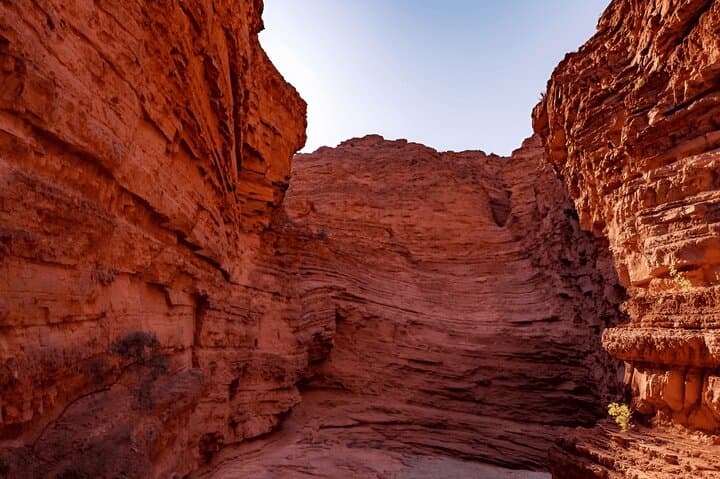
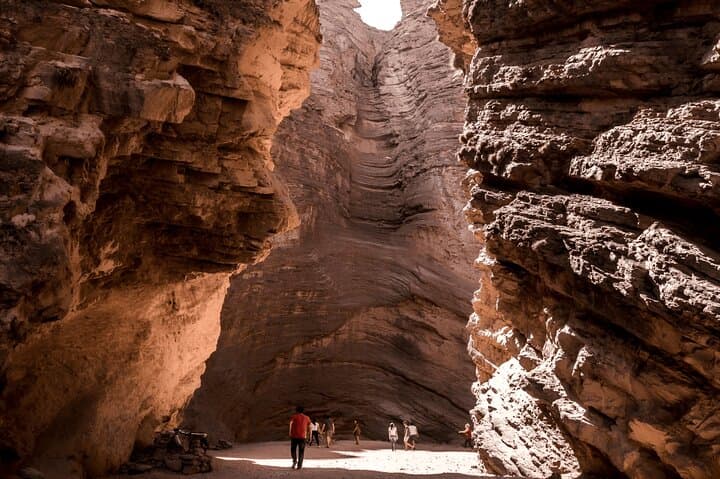
Morning light slides across the windshield as the road climbs out of Salta and the Lerma Valley. The bus threads Route 68 into Quebrada de las Conchas, where wind and water have carved red-and-ochre cliffs that seem to dare drivers to stop and look. At viewpoints, rock faces lean in like listeners; the Amphitheatre answers with an echo that carries down the gorge.
Verified experiences and guided adventures in the surrounding area.
Operated by La Quebrada Turismo · Cafayate, Salta Province
Morning light slides across the windshield as the road climbs out of Salta and the Lerma Valley. The bus threads Route 68 into Quebrada de las Conchas, where wind and water have carved red-and-ochre cliffs that seem to dare drivers to stop and look. At viewpoints, rock faces lean in like listeners; the Amphitheatre answers with an echo that carries down the gorge.
This corridor is geological storytelling: layered sedimentary rock uplifted and then sculpted into narrow canyons, windows, and spires over millions of years. Spanish colonial routes later followed these natural corridors, and viticulture arrived with European settlers and missionaries; Cafayate’s white Torrontés and increasingly confident Malbecs grow where the desert gives way to irrigated terraces.
Cafayate itself lays out low, sun-bleached houses and 19th-century facades beside broad vineyards. A winery stop introduces regional tasting notes—floral, aromatic whites and concentrated reds—before two hours of free time for lunch and town exploration.
Practical edge: expect a long day—11 to 12 hours—largely seated with periodic light walking at viewpoints and in town. Bring sun protection, water, and a small daypack for camera, ID for tastings, and a light layer for windy canyon viewpoints. Travel is by air-conditioned coach, with restroom and snack stops. Mornings are cool and afternoons can heat quickly; late-afternoon light makes the rock shapes glow, so time your photos near the return drive. For travelers who want scenic geology, accessible culture, and a curated introduction to Cafayate’s wines, this full-day loop delivers a compact survey of the Calchaquí Valleys.
easy.
11–12 hours.
Suitable for most fitness levels; the day includes long periods seated on a coach and brief, easy walks at stops.
No, lunch and drinks in Cafayate are not included; you’ll have about two hours of free time to eat and explore.
Only short, easy walks at scenic stops and around Cafayate—most of the day is spent on the coach.
Yes, the itinerary includes entrance to a winery and a tasting at one designated winery during the visit.
The tour is suitable for families but infants must sit on an adult’s lap; consider the long day and potential heat when traveling with young children.
The Calchaquí Valleys saw Spanish routes and missionary viticulture from the colonial era; local winemaking evolved with European grape varieties adapted to high-altitude, low-rainfall conditions.
This semi-arid region is water-sensitive—stick to marked roads, avoid littering, and support wineries that practice efficient irrigation and responsible land use.
La Quebrada Turismo operates guided outdoor trips and adventures with an emphasis on safety, stewardship, and memorable experiences.
Morning light slides across the windshield as the road climbs out of Salta and the Lerma Valley. The bus threads Route 68 into Quebrada de las Conchas, where wind and water have carved red-and-ochre cliffs that seem to dare drivers to stop and look. At viewpoints, rock faces lean in like listeners; the Amphitheatre answers with an echo that carries down the gorge.
Morning light slides across the windshield as the road climbs out of Salta and the Lerma Valley. The bus threads Route 68 into Quebrada de las Conchas, where wind and water have carved red-and-ochre cliffs that seem to dare drivers to stop and look. At viewpoints, rock faces lean in like listeners; the Amphitheatre answers with an echo that carries down the gorge.
This corridor is geological storytelling: layered sedimentary rock uplifted and then sculpted into narrow canyons, windows, and spires over millions of years. Spanish colonial routes later followed these natural corridors, and viticulture arrived with European settlers and missionaries; Cafayate’s white Torrontés and increasingly confident Malbecs grow where the desert gives way to irrigated terraces.
Cafayate itself lays out low, sun-bleached houses and 19th-century facades beside broad vineyards. A winery stop introduces regional tasting notes—floral, aromatic whites and concentrated reds—before two hours of free time for lunch and town exploration.
Practical edge: expect a long day—11 to 12 hours—largely seated with periodic light walking at viewpoints and in town. Bring sun protection, water, and a small daypack for camera, ID for tastings, and a light layer for windy canyon viewpoints. Travel is by air-conditioned coach, with restroom and snack stops. Mornings are cool and afternoons can heat quickly; late-afternoon light makes the rock shapes glow, so time your photos near the return drive. For travelers who want scenic geology, accessible culture, and a curated introduction to Cafayate’s wines, this full-day loop delivers a compact survey of the Calchaquí Valleys.