THE ADVENTURE COLLECTIVE® · Independent discovery and booking for outdoor travel

A single day that feels like two journeys: a scenic drive through the orange-and-red folds of Quebrada de las Conchas and an afternoon tasting Torrontés among high-altitude vineyards in Cafayate. Expect dramatic rock formations, warm local hospitality, and practical tips to make the long day comfortable.
A single day that feels like two journeys: a scenic drive through the orange-and-red folds of Quebrada de las Conchas and an afternoon tasting Torrontés among high-altitude vineyards in Cafayate. Expect dramatic rock formations, warm local hospitality, and practical tips to make the long day comfortable.
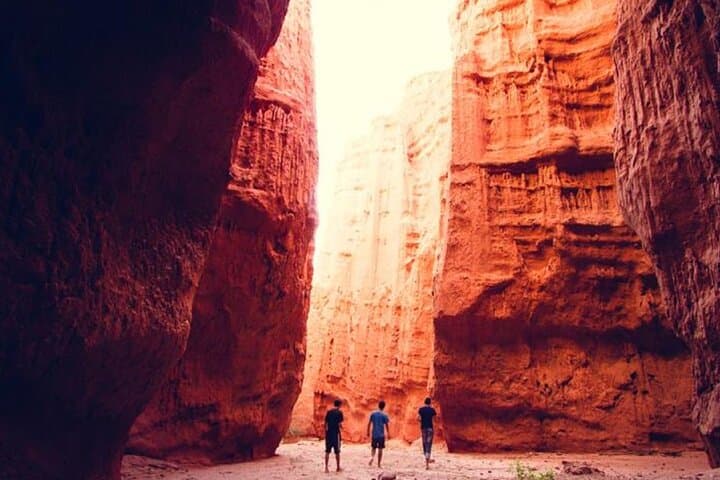
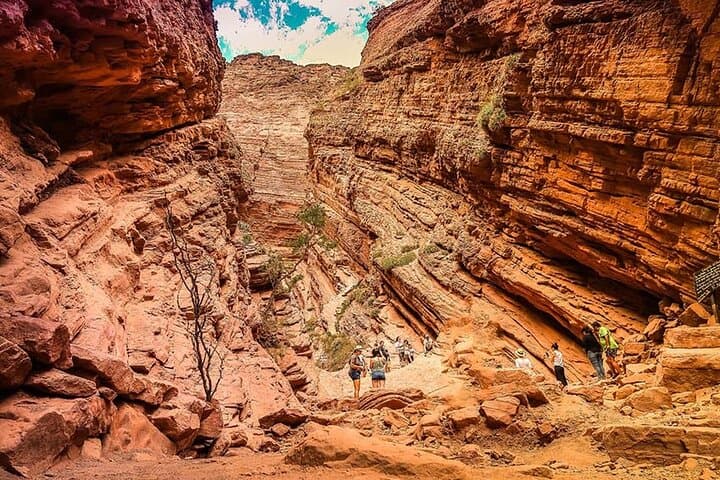
You leave Salta before the heat builds, headlights picking out bands of ochre and rust that climb and fold like the pages of a geological book. The road traces a river’s ambition through Quebrada de las Conchas, and the landscape does not wait politely — it thrusts shapes at you: the Amphitheater’s concave bowl that throws your words back in echo, Garganta del Diablo’s narrow throat, and layered red cliffs that glow under the morning sun.
Verified experiences and guided adventures in the surrounding area.
Operated by RipioTurismo · Cafayate, Salta Province
You leave Salta before the heat builds, headlights picking out bands of ochre and rust that climb and fold like the pages of a geological book. The road traces a river’s ambition through Quebrada de las Conchas, and the landscape does not wait politely — it thrusts shapes at you: the Amphitheater’s concave bowl that throws your words back in echo, Garganta del Diablo’s narrow throat, and layered red cliffs that glow under the morning sun.
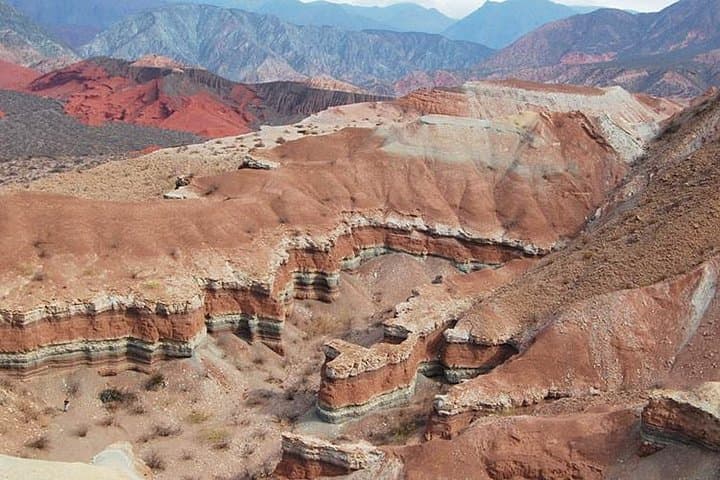
This is a day that reads like two stories: one of stone, written over millions of years, and one of people, written in vineyards and adobe. The Quebrada’s rusty stripes are sedimentary sandstones and clays sculpted by uplift and relentless erosion; each formation is a slow-motion argument between water and rock. Human history here is quieter but persistent. The Calchaquí valleys were home to indigenous groups long before Spanish missionaries planted European grape varieties; those vines took root in high, dry soils and produced Torrontés — the fragrant white wine that gives Cafayate a modern reputation.
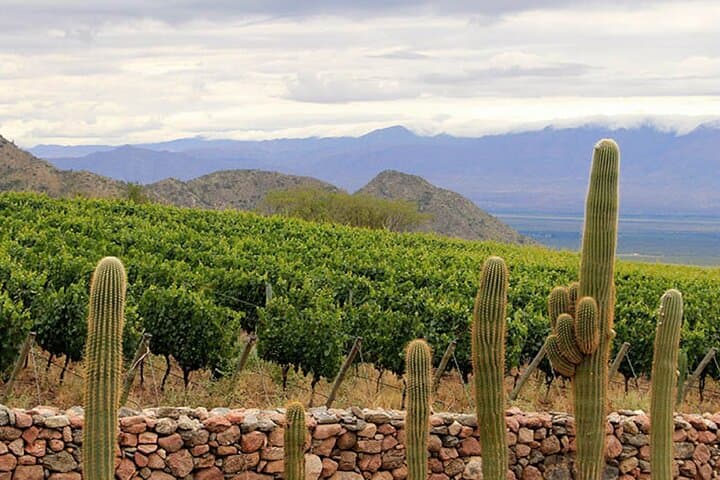
Cafayate itself is a small, sun-baked town with a compact main street, cantinas serving empanadas, and wineries that welcome you like old friends. A typical tour includes a guided tasting (expect floral, citrus-forward Torrontés) and time to walk between bodegas or browse a local market that sells goat cheese and woven textiles. On the drive back the light changes the canyon’s moods; the same cliffs that looked bright at noon deepen to rust and umber, as if the valley is reserving its final performance.
Practical edge: the full loop from Salta is a long day — plan for roughly 7–8 hours total, with three hours of driving each way on a winding but well-maintained Ruta 68 and about two to four hours in Cafayate for tastings and a short stroll. Altitude rises from Salta (~1,200 m) to Cafayate (~1,700 m), so sun and dry air are the real challenges. Dress in layers, bring at least 1–2 liters of water, and use sunscreen and a brimmed hat. Footwear should be sturdy for gravel and winery grounds. Most tours include hotel pickup and a local guide; book with a provider that limits group size if you prefer quieter tastings. If you have mobility limits, verify specific winery access ahead of time — many bodegas have uneven paths.
Timing tip: aim for early departures to catch softer light in the quebrada and avoid the busiest afternoon traffic; late afternoons reward photographers with richer colors. Respect the fragile canyon: stick to paths, take only photos, and support local producers with a purchase or tasting fee — it helps keep small vineyards in business.
easy.
7–8 hours.
Suitable for most fitness levels; expect some standing and short walks on uneven ground
Plan on roughly 7–8 hours total including round-trip driving (about 3 hours each way on Ruta 68) and 2–4 hours in Cafayate for tastings and exploration.
Most tours include a guided winery visit and tastings, but confirm specifics when booking — some tastings or premium bottles may cost extra.
Yes — pickup and drop-off at accommodations in Salta are typically included; the operator will reconfirm your exact pickup time the day before.
The excursion is labeled physically easy and family-friendly, but some wineries and viewpoints have uneven ground; check accessibility with the operator if mobility is a concern.
Bring ID (legal drinking age), small cash for purchases, a hat, sunscreen, and comfortable shoes for walking between tasting rooms.
The elevation gain is modest (Salta ~1,200 m to Cafayate ~1,700 m). Most travelers are fine, but stay hydrated and avoid heavy meals or excess alcohol if you are sensitive to altitude.
The Calchaquí valleys were inhabited by indigenous communities before Spanish missionaries introduced vineyards; local wine culture blends indigenous and colonial influences.
The quebrada’s soils are fragile and erosion-prone; stay on established viewpoints and support small wineries that practice sustainable viticulture when possible.
RipioTurismo operates guided outdoor trips and adventures with an emphasis on safety, stewardship, and memorable experiences.
You leave Salta before the heat builds, headlights picking out bands of ochre and rust that climb and fold like the pages of a geological book. The road traces a river’s ambition through Quebrada de las Conchas, and the landscape does not wait politely — it thrusts shapes at you: the Amphitheater’s concave bowl that throws your words back in echo, Garganta del Diablo’s narrow throat, and layered red cliffs that glow under the morning sun.
You leave Salta before the heat builds, headlights picking out bands of ochre and rust that climb and fold like the pages of a geological book. The road traces a river’s ambition through Quebrada de las Conchas, and the landscape does not wait politely — it thrusts shapes at you: the Amphitheater’s concave bowl that throws your words back in echo, Garganta del Diablo’s narrow throat, and layered red cliffs that glow under the morning sun.
This is a day that reads like two stories: one of stone, written over millions of years, and one of people, written in vineyards and adobe. The Quebrada’s rusty stripes are sedimentary sandstones and clays sculpted by uplift and relentless erosion; each formation is a slow-motion argument between water and rock. Human history here is quieter but persistent. The Calchaquí valleys were home to indigenous groups long before Spanish missionaries planted European grape varieties; those vines took root in high, dry soils and produced Torrontés — the fragrant white wine that gives Cafayate a modern reputation.
Cafayate itself is a small, sun-baked town with a compact main street, cantinas serving empanadas, and wineries that welcome you like old friends. A typical tour includes a guided tasting (expect floral, citrus-forward Torrontés) and time to walk between bodegas or browse a local market that sells goat cheese and woven textiles. On the drive back the light changes the canyon’s moods; the same cliffs that looked bright at noon deepen to rust and umber, as if the valley is reserving its final performance.
Practical edge: the full loop from Salta is a long day — plan for roughly 7–8 hours total, with three hours of driving each way on a winding but well-maintained Ruta 68 and about two to four hours in Cafayate for tastings and a short stroll. Altitude rises from Salta (~1,200 m) to Cafayate (~1,700 m), so sun and dry air are the real challenges. Dress in layers, bring at least 1–2 liters of water, and use sunscreen and a brimmed hat. Footwear should be sturdy for gravel and winery grounds. Most tours include hotel pickup and a local guide; book with a provider that limits group size if you prefer quieter tastings. If you have mobility limits, verify specific winery access ahead of time — many bodegas have uneven paths.
Timing tip: aim for early departures to catch softer light in the quebrada and avoid the busiest afternoon traffic; late afternoons reward photographers with richer colors. Respect the fragile canyon: stick to paths, take only photos, and support local producers with a purchase or tasting fee — it helps keep small vineyards in business.