THE ADVENTURE COLLECTIVE® · Independent discovery and booking for outdoor travel

Walk a 3-mile, 2.5–3 hour loop through Salt Lake City’s cultural core — from Temple Square and City Creek to Pioneer Park and Vivint Arena. This accessible downtown tour pairs civic history with architecture and local insights.
Walk a 3-mile, 2.5–3 hour loop through Salt Lake City’s cultural core — from Temple Square and City Creek to Pioneer Park and Vivint Arena. This accessible downtown tour pairs civic history with architecture and local insights.
You step out of the Visit Salt Lake City Visitors Center and the city unfolds — sandstone and glass, wide boulevards, and the Wasatch Front rising like a watchful ridge to the east. The air carries a dry, bracing clarity; downtown streets hum with tram bells and the measured cadence of foot traffic. On this 3-mile, 2.5–3 hour loop you move at a pace that invites stories as much as sights.
Verified experiences and guided adventures in the surrounding area.
Operated by Southwest Adventure Tours · Salt Lake City, UT
You step out of the Visit Salt Lake City Visitors Center and the city unfolds — sandstone and glass, wide boulevards, and the Wasatch Front rising like a watchful ridge to the east. The air carries a dry, bracing clarity; downtown streets hum with tram bells and the measured cadence of foot traffic. On this 3-mile, 2.5–3 hour loop you move at a pace that invites stories as much as sights.
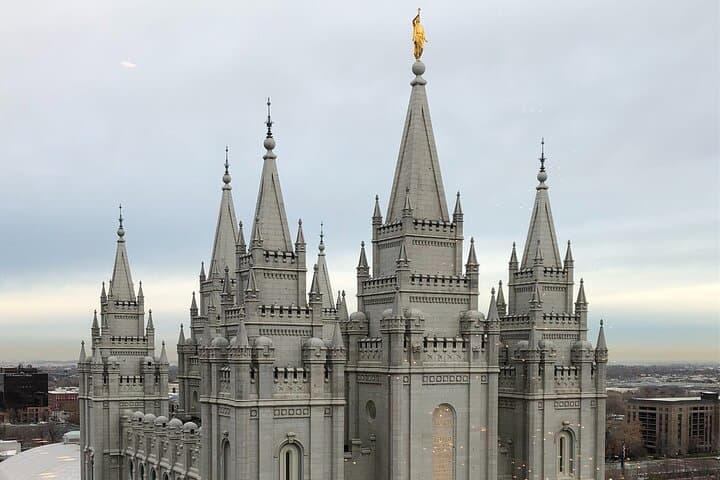
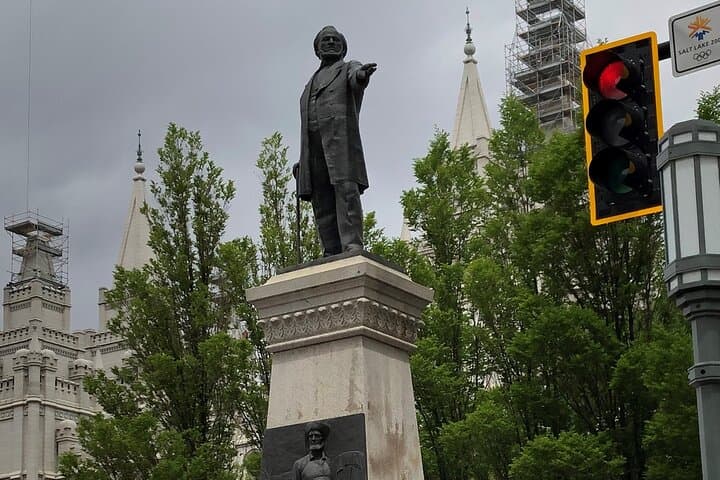
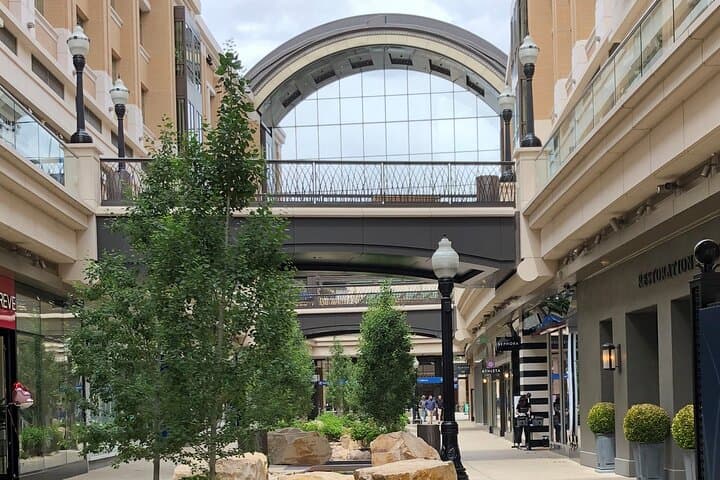
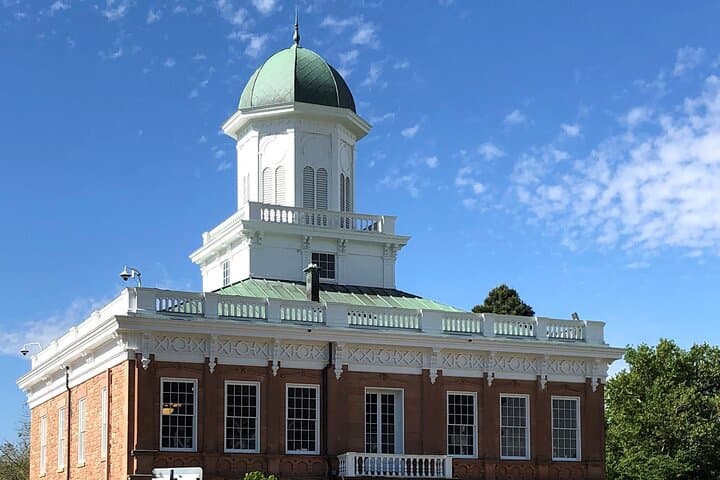
Begin at Temple Square, where the arrival of the Mormon pioneers in 1847 reshaped this valley. The tour threads through City Creek and the Gallivan Center — post-2002 Olympic refurbishments sit beside mid-century civic blocks and newer arts venues. Geology is never far: the city sits on the Salt Lake Valley, narrowed by the Wasatch Fault and fed historically by snowmelt that also fills the distant Great Salt Lake. Architecture ranges from pioneer-era masonry to contemporary glass-and-steel, and cultural layers include immigrant neighborhoods, a growing arts scene, and the infrastructural imprint of rail and winter-sports legacy.
Practical guidance: the loop covers mostly paved sidewalks and pedestrian plazas with minimal elevation; comfortable walking shoes and a refillable water bottle make this easy. Morning departures avoid midday heat in summer and provide cleaner light for photos. The guide will highlight civic history and local context; be prepared to pause for 5–10 minutes at each stop and to follow photography and access rules at sacred sites. Public transit is nearby if you want to extend your exploration into Capitol Hill or the Gilgal Sculpture Garden after the tour.
easy.
2–3 hours.
Suitable for most fitness levels; requires ability to stand and walk steadily for up to three hours.
Yes — the route uses paved sidewalks and pedestrian plazas and is listed as wheelchair accessible; notify booking if you require accommodations.
Small-group tours are capped at 14 travelers with a two-guest minimum for departure.
The tour meets and ends at the Visit Salt Lake City Visitors Center in downtown Salt Lake City; public transit options are nearby.
Yes — the tour is family-friendly and suitable for children able to walk the 3-mile route; strollers are allowed.
Salt Lake City was established by Mormon pioneers in 1847 and later expanded through rail and the civic investments tied to the 2002 Winter Olympics.
Urban planners emphasize water-wise landscaping downtown; the long-term health of the Great Salt Lake remains a regional conservation priority.
Southwest Adventure Tours operates guided outdoor trips and adventures with an emphasis on safety, stewardship, and memorable experiences.
You step out of the Visit Salt Lake City Visitors Center and the city unfolds — sandstone and glass, wide boulevards, and the Wasatch Front rising like a watchful ridge to the east. The air carries a dry, bracing clarity; downtown streets hum with tram bells and the measured cadence of foot traffic. On this 3-mile, 2.5–3 hour loop you move at a pace that invites stories as much as sights.
You step out of the Visit Salt Lake City Visitors Center and the city unfolds — sandstone and glass, wide boulevards, and the Wasatch Front rising like a watchful ridge to the east. The air carries a dry, bracing clarity; downtown streets hum with tram bells and the measured cadence of foot traffic. On this 3-mile, 2.5–3 hour loop you move at a pace that invites stories as much as sights.
Begin at Temple Square, where the arrival of the Mormon pioneers in 1847 reshaped this valley. The tour threads through City Creek and the Gallivan Center — post-2002 Olympic refurbishments sit beside mid-century civic blocks and newer arts venues. Geology is never far: the city sits on the Salt Lake Valley, narrowed by the Wasatch Fault and fed historically by snowmelt that also fills the distant Great Salt Lake. Architecture ranges from pioneer-era masonry to contemporary glass-and-steel, and cultural layers include immigrant neighborhoods, a growing arts scene, and the infrastructural imprint of rail and winter-sports legacy.
Practical guidance: the loop covers mostly paved sidewalks and pedestrian plazas with minimal elevation; comfortable walking shoes and a refillable water bottle make this easy. Morning departures avoid midday heat in summer and provide cleaner light for photos. The guide will highlight civic history and local context; be prepared to pause for 5–10 minutes at each stop and to follow photography and access rules at sacred sites. Public transit is nearby if you want to extend your exploration into Capitol Hill or the Gilgal Sculpture Garden after the tour.