THE ADVENTURE COLLECTIVE® · Independent discovery and booking for outdoor travel

Descend into Zipaquirá’s Salt Cathedral on a private tour from Bogotá and explore salt-carved chapels, a monumental cross and hand-carved stations of the vía crucis. This 5–6 hour outing blends geology, history and spiritual architecture with private transport and local insight.
Descend into Zipaquirá’s Salt Cathedral on a private tour from Bogotá and explore salt-carved chapels, a monumental cross and hand-carved stations of the vía crucis. This 5–6 hour outing blends geology, history and spiritual architecture with private transport and local insight.
You step off the van into a cool, mineral hush and follow a narrow path that bends and drops into the mountain. Light pools across salt-sculpted walls, and the air tastes faintly of iodine and earth; the cathedral’s vast cross quietly dominates the cavern like a slow-moving tide.
Verified experiences and guided adventures in the surrounding area.
Operated by ORIGENES COLTRAVEL · Zipaquirá, Cundinamarca
You step off the van into a cool, mineral hush and follow a narrow path that bends and drops into the mountain. Light pools across salt-sculpted walls, and the air tastes faintly of iodine and earth; the cathedral’s vast cross quietly dominates the cavern like a slow-moving tide.
The Salt Cathedral of Zipaquirá sits inside a working salt mine carved from halite deposits laid down when this basin was an inland sea. Salt extraction here predates the Spanish era — the Muisca people prized the “white gold” and built trade networks around it — and the modern underground sanctuary evolved in the 20th century as both a devotional space and an engineering feat.
On a guided private tour you’ll walk a hand-carved vía crucis, pause at water mirrors and lit chapels, and learn about mining techniques and local craft traditions in Zipaquirá’s colonial square. The cathedral’s lighting designs and sculpted chambers make the geology legible: layers, veins and drifts that once fed a regional economy now shape a spiritual itinerary.
Practical notes: the door-to-door experience from Bogotá takes about 5–6 hours total, including transit (roughly 45–75 minutes each way depending on traffic) and exploration time. Admission to the cathedral is typically purchased on site; this private transfer includes bottled water and an air-conditioned vehicle. Wear sturdy, closed-toe shoes and a light jacket — temperatures stay cool underground and some paths include steps and damp surfaces. Mobility access exists in parts, but the site isn’t recommended for travelers with serious cardiovascular issues. Bring a camera, but follow rules about flash and respect quiet zones. Time your visit for mid-morning or late afternoon to avoid peak crowds in the plaza and get cleaner light inside the chambers.
easy.
5–6 hours.
Suitable for most travelers; requires walking on stairs and uneven ground but no technical exertion
Expect a 5–6 hour excursion including pickup, transport (about 45–75 minutes each way, depending on traffic), time in the cathedral and a short visit to Zipaquirá’s main square.
Most private tours include transport but not cathedral admission; plan to buy tickets at the venue unless explicitly stated otherwise.
Parts of the site and the transportation options are wheelchair accessible, but some underground passages involve steps—check with the operator about specific access needs.
Photography is usually allowed in many areas, but follow on-site signage and avoid flash in designated quiet or devotional spaces.
Zipaquirá’s salt deposits were exploited by the Muisca long before Spanish contact; the underground cathedral is a 20th-century reinterpretation of mining space into a devotional complex.
Managing visitor flows and limiting aggressive lighting helps protect delicate salt surfaces; local guides encourage staying on paths and avoiding touching formations.
ORIGENES COLTRAVEL operates guided outdoor trips and adventures with an emphasis on safety, stewardship, and memorable experiences.
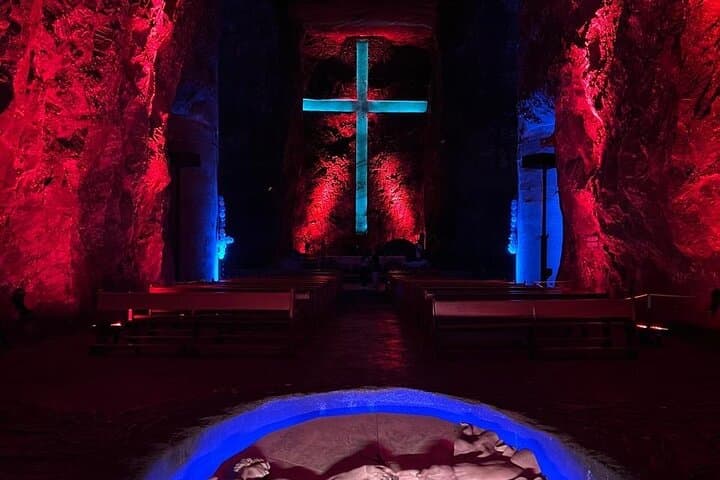
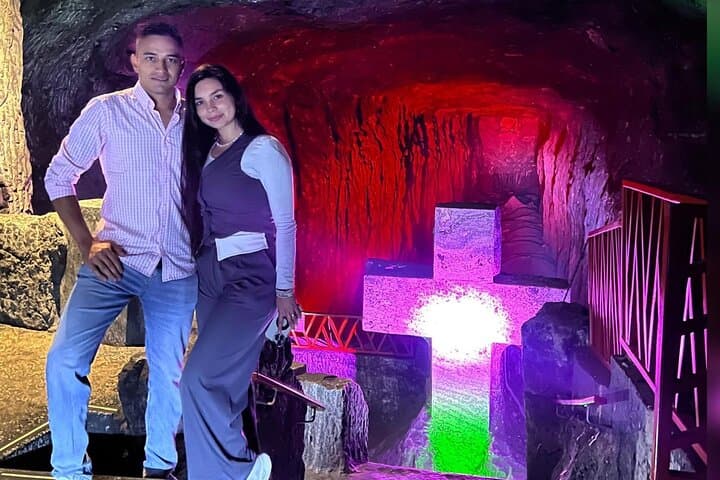
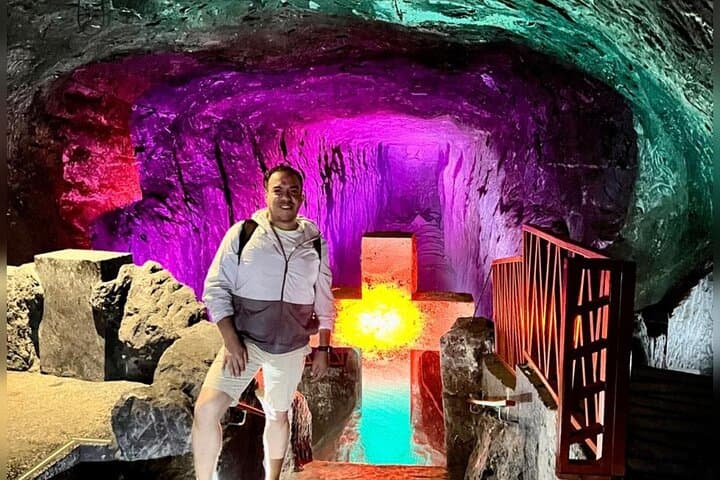
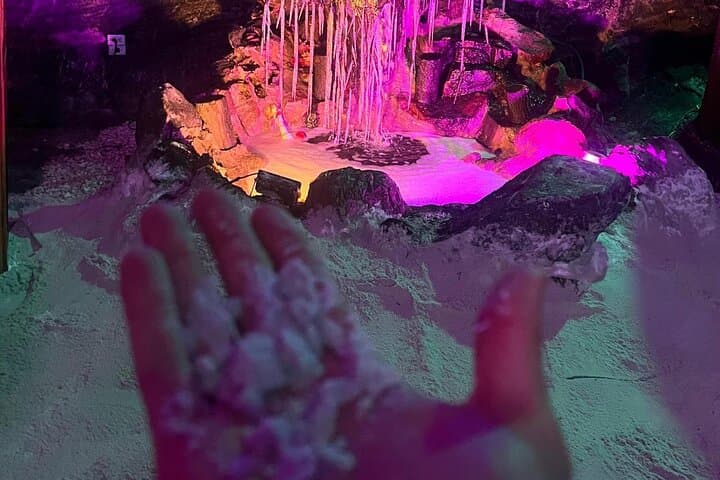
You step off the van into a cool, mineral hush and follow a narrow path that bends and drops into the mountain. Light pools across salt-sculpted walls, and the air tastes faintly of iodine and earth; the cathedral’s vast cross quietly dominates the cavern like a slow-moving tide.
You step off the van into a cool, mineral hush and follow a narrow path that bends and drops into the mountain. Light pools across salt-sculpted walls, and the air tastes faintly of iodine and earth; the cathedral’s vast cross quietly dominates the cavern like a slow-moving tide.
The Salt Cathedral of Zipaquirá sits inside a working salt mine carved from halite deposits laid down when this basin was an inland sea. Salt extraction here predates the Spanish era — the Muisca people prized the “white gold” and built trade networks around it — and the modern underground sanctuary evolved in the 20th century as both a devotional space and an engineering feat.
On a guided private tour you’ll walk a hand-carved vía crucis, pause at water mirrors and lit chapels, and learn about mining techniques and local craft traditions in Zipaquirá’s colonial square. The cathedral’s lighting designs and sculpted chambers make the geology legible: layers, veins and drifts that once fed a regional economy now shape a spiritual itinerary.
Practical notes: the door-to-door experience from Bogotá takes about 5–6 hours total, including transit (roughly 45–75 minutes each way depending on traffic) and exploration time. Admission to the cathedral is typically purchased on site; this private transfer includes bottled water and an air-conditioned vehicle. Wear sturdy, closed-toe shoes and a light jacket — temperatures stay cool underground and some paths include steps and damp surfaces. Mobility access exists in parts, but the site isn’t recommended for travelers with serious cardiovascular issues. Bring a camera, but follow rules about flash and respect quiet zones. Time your visit for mid-morning or late afternoon to avoid peak crowds in the plaza and get cleaner light inside the chambers.