THE ADVENTURE COLLECTIVE® · Independent discovery and booking for outdoor travel

Spend a full day from Bogotá exploring the legendary Laguna de Guatavita and the underground Salt Cathedral of Zipaquirá. This guided tour blends highland hiking, Muisca history, and dramatic salt-mining architecture—ideal for travelers who want culture and landscape in one day.
Spend a full day from Bogotá exploring the legendary Laguna de Guatavita and the underground Salt Cathedral of Zipaquirá. This guided tour blends highland hiking, Muisca history, and dramatic salt-mining architecture—ideal for travelers who want culture and landscape in one day.
You climb into a minivan before sunrise and Bogotá slips behind you—rolling páramo and drained gold fields give way to steeper hills as the Andes presses closer. By midmorning you’re in Guatavita Pueblo, where cobbled streets and whitewashed facades feel like an interlude before the lagoon itself pulls you uphill: the water sits like a dark eye in a high basin, daring you to understand its story.
Verified experiences and guided adventures in the surrounding area.
Operated by transporte & turismo del eje S.A.S · Bogotá, Cundinamarca
You climb into a minivan before sunrise and Bogotá slips behind you—rolling páramo and drained gold fields give way to steeper hills as the Andes presses closer. By midmorning you’re in Guatavita Pueblo, where cobbled streets and whitewashed facades feel like an interlude before the lagoon itself pulls you uphill: the water sits like a dark eye in a high basin, daring you to understand its story.
Laguna de Guatavita is the birthplace of the El Dorado legend: Muisca chiefs once made offerings here, tossing gold and sacred objects into the water. Geologically it’s a highland lake set in the Eastern Cordillera—its rim and peat-fed slopes host shrubs and hummingbirds, and the approach trail rises steadily for roughly two hours of mixed dirt and stone.
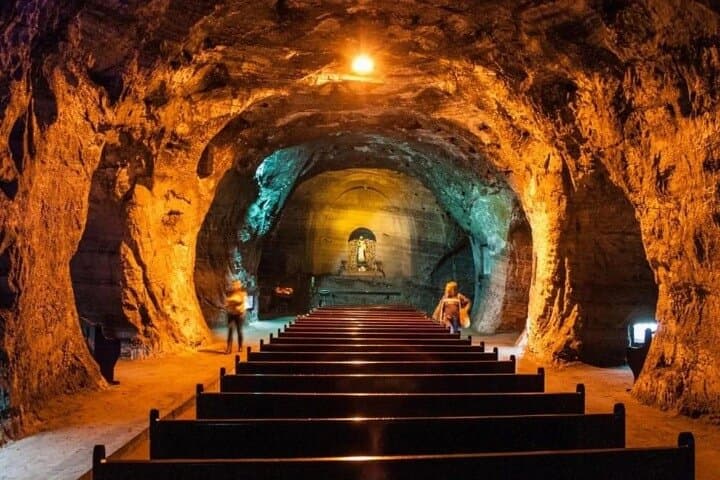
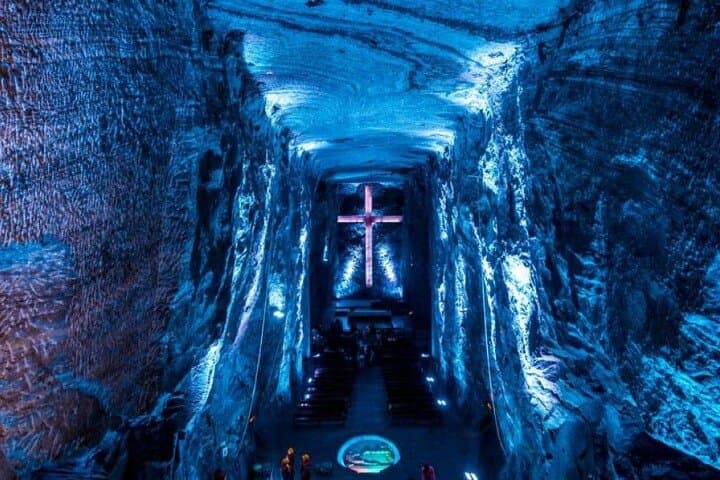
Later the route moves to Zipaquirá, where the Salt Cathedral repurposes centuries of salt-mining into an underground pilgrimage. Carved galleries, illuminated chapels and halite sculptures trace both industrial history and local Catholic practice—salt here is both material and memory.
Practical guidance: the full day runs about 11 hours including round-trip transport from Bogotá. Expect altitude between ~2,600–3,000 m, some uphill walking, and uneven surfaces at both sites. Wear sturdy shoes, layer for sudden weather changes, carry water and sun protection, and bring cash for small market purchases. Guides narrate history and logistics in English or Spanish; the itinerary suits most fitness levels but watch for steeper sections on the Guatavita approach.
This tour pairs cultural history with highland landscapes—bring a charged camera and sensible footwear and you’ll come away with both panoramas and stories.
moderate.
11 hours.
Moderate — comfortable walking for 2 hours uphill plus periods of standing indoors; suitable for most reasonably fit travelers.
The guided approach is roughly two hours uphill total, on a maintained but uneven trail with panoramic viewpoints along the way.
Entrance to the lagoon and Salt Cathedral are included in the tour options; bring cash for optional snacks, souvenirs, or extra purchases at markets.
The day is long and includes uphill walking; many families and older travelers participate, but those with mobility issues or severe cardiovascular conditions should consider skipping the lagoon hike.
Local guides provided by the operator speak Spanish and English according to the tour listing.
The Muisca civilization used Laguna de Guatavita for ritual offerings—these practices fueled the El Dorado myth; Zipaquirá’s salt deposits supported mining and regional trade for centuries, later transformed into the modern Salt Cathedral.
The lagoon area is monitored to protect peat and water quality; visitors should stay on trails, avoid littering, and respect local access rules to limit erosion and cultural site impact.
transporte & turismo del eje S.A.S operates guided outdoor trips and adventures with an emphasis on safety, stewardship, and memorable experiences.

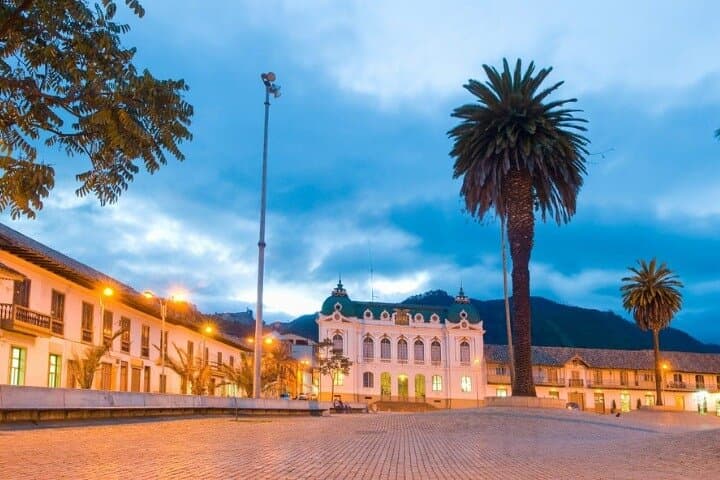
You climb into a minivan before sunrise and Bogotá slips behind you—rolling páramo and drained gold fields give way to steeper hills as the Andes presses closer. By midmorning you’re in Guatavita Pueblo, where cobbled streets and whitewashed facades feel like an interlude before the lagoon itself pulls you uphill: the water sits like a dark eye in a high basin, daring you to understand its story.
You climb into a minivan before sunrise and Bogotá slips behind you—rolling páramo and drained gold fields give way to steeper hills as the Andes presses closer. By midmorning you’re in Guatavita Pueblo, where cobbled streets and whitewashed facades feel like an interlude before the lagoon itself pulls you uphill: the water sits like a dark eye in a high basin, daring you to understand its story.
Laguna de Guatavita is the birthplace of the El Dorado legend: Muisca chiefs once made offerings here, tossing gold and sacred objects into the water. Geologically it’s a highland lake set in the Eastern Cordillera—its rim and peat-fed slopes host shrubs and hummingbirds, and the approach trail rises steadily for roughly two hours of mixed dirt and stone.
Later the route moves to Zipaquirá, where the Salt Cathedral repurposes centuries of salt-mining into an underground pilgrimage. Carved galleries, illuminated chapels and halite sculptures trace both industrial history and local Catholic practice—salt here is both material and memory.
Practical guidance: the full day runs about 11 hours including round-trip transport from Bogotá. Expect altitude between ~2,600–3,000 m, some uphill walking, and uneven surfaces at both sites. Wear sturdy shoes, layer for sudden weather changes, carry water and sun protection, and bring cash for small market purchases. Guides narrate history and logistics in English or Spanish; the itinerary suits most fitness levels but watch for steeper sections on the Guatavita approach.
This tour pairs cultural history with highland landscapes—bring a charged camera and sensible footwear and you’ll come away with both panoramas and stories.