THE ADVENTURE COLLECTIVE® · Independent discovery and booking for outdoor travel

A demanding five‑day alternative to the classic Inca Trail, the Salkantay Trek traverses high alpine passes, cloud forest and an original Inca approach at Llactapata before delivering you to Machu Picchu. Expect long days, dramatic elevation change and a mix of glacial, forest and archaeological terrain.
A demanding five‑day alternative to the classic Inca Trail, the Salkantay Trek traverses high alpine passes, cloud forest and an original Inca approach at Llactapata before delivering you to Machu Picchu. Expect long days, dramatic elevation change and a mix of glacial, forest and archaeological terrain.
Dawn on the Altiplano paints the snow of Salkantay a hard, pale gold as your minivan peels out of Cusco at 4:30 a.m. The first day’s road shrinks behind you while the trail climbs to alpine pampa, wind and sky sharpening each step. On this five‑day route you move from high, glaciated passes into humid cloud forest, finishing with the original Inca approach to Machu Picchu via Llactapata.
Verified experiences and guided adventures in the surrounding area.
Operated by Machu Picchu Hike Tours · Cusco, Cusco
Dawn on the Altiplano paints the snow of Salkantay a hard, pale gold as your minivan peels out of Cusco at 4:30 a.m. The first day’s road shrinks behind you while the trail climbs to alpine pampa, wind and sky sharpening each step. On this five‑day route you move from high, glaciated passes into humid cloud forest, finishing with the original Inca approach to Machu Picchu via Llactapata.
The route follows living geography and living history: Salkantay (an Apu, or sacred mountain) looms above the pass at 4,630 m, a jagged witness to pre‑Columbian ritual and modern trekkers. Below, glacial moraine gives way to lush, bird-rich valleys where coffee farms and remnants of the Inca trail appear between mossy terraces. Llactapata is both an archaeological outcrop and a strategic watchpoint for Machu Picchu—an intimate vantage often missed by day‑trippers.
Expect long days: typical mileage ranges from 9–22 km per day with sustained climbs and technical descents, and overnight camps at roughly 3,900–2,050 m. Terrain shifts from rocky high passes to muddy cloud‑forest trails and narrow Inca stone walkways.
Practical edge: acclimatize in Cusco, hydrate constantly, and favor a conservative pace above 4,000 m. Camps include tents and mats; food is provided. Decide before the hydroelectric whether you’ll take the train or the 3‑hour riverside walk to Aguas Calientes. With preparation—sturdy boots, layered insulation, and patience—the Salkantay Llactapata route delivers raw mountain drama and a quiet, original arrival at Machu Picchu.
challenging.
4–5 days (approx. 6–8 hours hiking daily).
Good cardiovascular fitness and experience with multi‑day high‑altitude hiking; ability to carry a daypack for long days.
Yes—the itinerary lists the Machu Picchu entry ticket as included with the trek.
No—tents and sleeping mats are provided; participants should bring a personal sleeping bag and daypack.
This route is physically demanding and high‑altitude; beginners with strong fitness and prior trekking experience may manage, but it’s recommended to build altitude experience first.
You can take the train (recommended, book early) or walk the rail line for about 3 hours—walking is rough and stony and not advised for those with weak ankles.
Salkantay was revered as an Apu (sacred mountain) by pre‑Inca and Inca peoples; Llactapata served as an Inca observation and trail node with direct sightlines to Machu Picchu.
The trek passes fragile ecosystems—minimize impact by staying on established trails, carrying out waste, and following local guide instructions to protect archaeological sites and cloud‑forest habitat.
Machu Picchu Hike Tours operates guided outdoor trips and adventures with an emphasis on safety, stewardship, and memorable experiences.
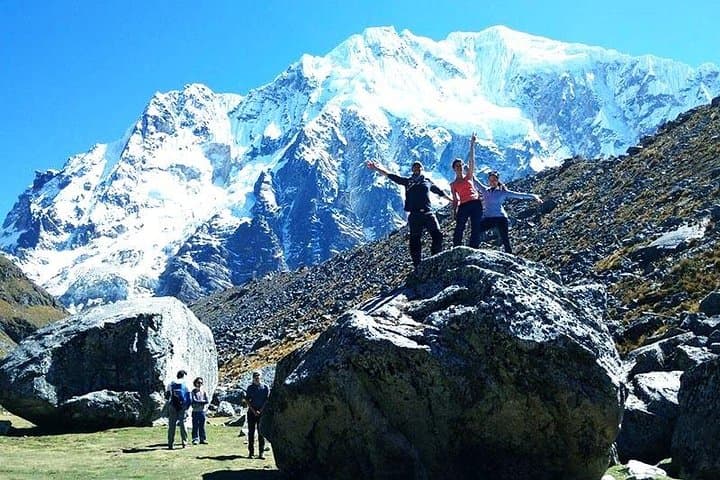


Dawn on the Altiplano paints the snow of Salkantay a hard, pale gold as your minivan peels out of Cusco at 4:30 a.m. The first day’s road shrinks behind you while the trail climbs to alpine pampa, wind and sky sharpening each step. On this five‑day route you move from high, glaciated passes into humid cloud forest, finishing with the original Inca approach to Machu Picchu via Llactapata.
Dawn on the Altiplano paints the snow of Salkantay a hard, pale gold as your minivan peels out of Cusco at 4:30 a.m. The first day’s road shrinks behind you while the trail climbs to alpine pampa, wind and sky sharpening each step. On this five‑day route you move from high, glaciated passes into humid cloud forest, finishing with the original Inca approach to Machu Picchu via Llactapata.
The route follows living geography and living history: Salkantay (an Apu, or sacred mountain) looms above the pass at 4,630 m, a jagged witness to pre‑Columbian ritual and modern trekkers. Below, glacial moraine gives way to lush, bird-rich valleys where coffee farms and remnants of the Inca trail appear between mossy terraces. Llactapata is both an archaeological outcrop and a strategic watchpoint for Machu Picchu—an intimate vantage often missed by day‑trippers.
Expect long days: typical mileage ranges from 9–22 km per day with sustained climbs and technical descents, and overnight camps at roughly 3,900–2,050 m. Terrain shifts from rocky high passes to muddy cloud‑forest trails and narrow Inca stone walkways.
Practical edge: acclimatize in Cusco, hydrate constantly, and favor a conservative pace above 4,000 m. Camps include tents and mats; food is provided. Decide before the hydroelectric whether you’ll take the train or the 3‑hour riverside walk to Aguas Calientes. With preparation—sturdy boots, layered insulation, and patience—the Salkantay Llactapata route delivers raw mountain drama and a quiet, original arrival at Machu Picchu.