THE ADVENTURE COLLECTIVE® · Independent discovery and booking for outdoor travel

A rigorous five-day route from high Andean glaciers into tropical cloudforest, the Salkantay Trek delivers raw mountain scenery, remote Quechua villages, and a climactic arrival at Machu Picchu. Prepare for high passes, dramatic climate shifts, and a blend of natural and cultural highlights.
A rigorous five-day route from high Andean glaciers into tropical cloudforest, the Salkantay Trek delivers raw mountain scenery, remote Quechua villages, and a climactic arrival at Machu Picchu. Prepare for high passes, dramatic climate shifts, and a blend of natural and cultural highlights.
A cold wind from the Salkantay massif cuts across the camp as dawn pushes color into the high valley. Hikers pull on layers, sip coca tea, and watch a glacier-bright ridge loosen a small avalanche that hisses down into the river below — the mountains here feel alive and deliberate.
Verified experiences and guided adventures in the surrounding area.
Operated by Machu Picchu Amazon Peru · Aguas Calientes, Cusco
A cold wind from the Salkantay massif cuts across the camp as dawn pushes color into the high valley. Hikers pull on layers, sip coca tea, and watch a glacier-bright ridge loosen a small avalanche that hisses down into the river below — the mountains here feel alive and deliberate.
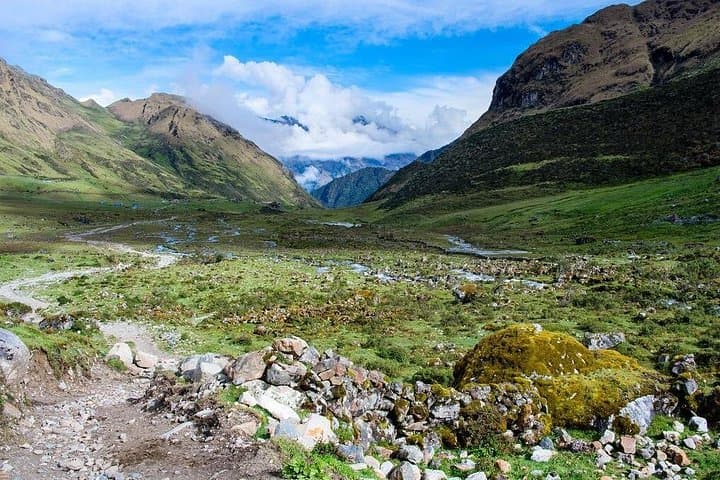
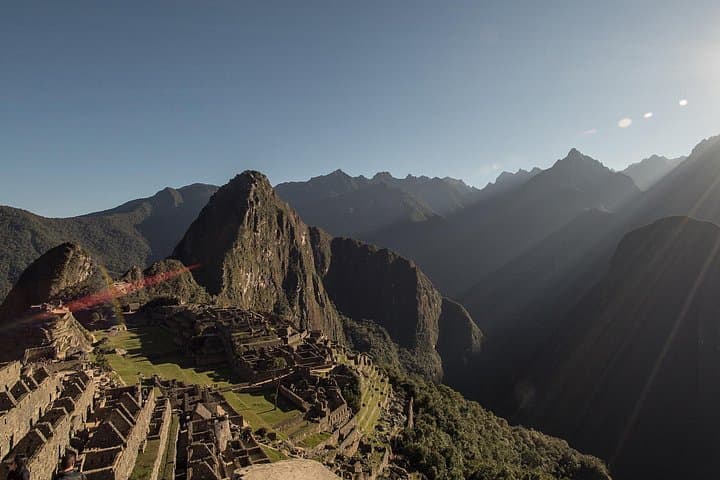
The five-day Salkantay route threads the Cordillera Vilcabamba, moving from 4,650 m passes past the snow-capped Salkantay (≈6,215 m) down into humid cloudforest and ultimately to Machu Picchu. Geologically the trail crosses uplifted Andean granite and glacial cirques before dropping into sedimentary valleys carved by powerful rivers. Culturally, the route passes small Quechua farming communities and Inca ruins like Llactapata, and follows paths that explorers such as Hiram Bingham used in the early 20th century.
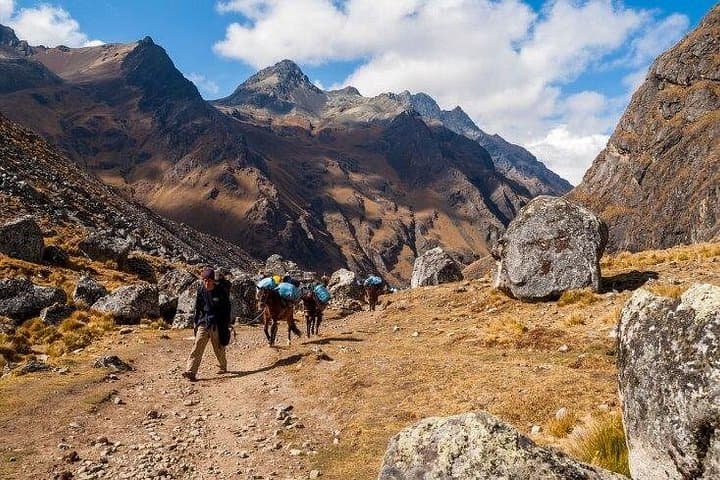
Expect alpine air and thin oxygen above 4,000 m, a sharp change to orchid-rich jungle within two days, and varied terrain: hard-packed switchbacks, rocky passes, river terraces and dirt farm tracks. Guides commonly run camp logistics and cooks prepare hot, often vegetarian-friendly meals; porters carry group gear and a 7 kg personal allowance is typical.
Practical guidance: acclimatize in Cusco before starting, carry a good insulating sleeping pad, layer for wide diurnal swings, and hydrate deliberately to reduce altitude effects. Start early each day to avoid afternoon storms and give yourself time for photos and short cultural stops. Permits for Machu Picchu and Huayna Picchu must be secured in advance; book guides and train seats early in high season.
challenging.
5 days.
Good aerobic fitness, prior multi-day trekking experience, and tolerance for high-altitude hiking are recommended
Salkantay is longer and reaches higher altitudes than the classic Inca Trail; it’s more remote and requires stronger fitness but avoids the permit congestion of the Inca Trail.
Group porters typically carry communal camping and cooking equipment; hikers carry a personal daypack and up to ~7 kg of personal items for porter transport.
Dry season (May–September) offers clearer skies and firmer trails; shoulder months can work but expect more rain and muddy sections in December–March.
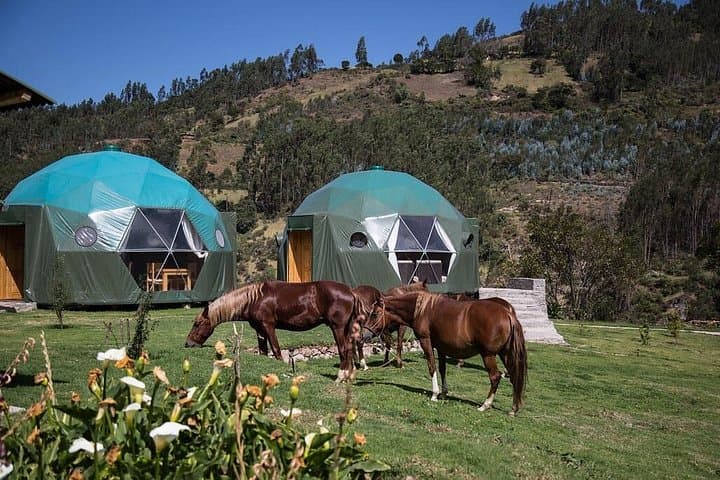
There are limited services at a few private campsites and villages—carry water and snacks and rely on guided meals included in most arrangements.
The route follows ancient Andean paths and lower-valley Inca sites; Hiram Bingham used sections of this corridor during the early 20th-century rediscovery of Machu Picchu.
Stay on designated trails, avoid single-use plastics, and use biodegradable soaps provided by operators to protect fragile highland and cloudforest ecosystems.
Machu Picchu Amazon Peru operates guided outdoor trips and adventures with an emphasis on safety, stewardship, and memorable experiences.
A cold wind from the Salkantay massif cuts across the camp as dawn pushes color into the high valley. Hikers pull on layers, sip coca tea, and watch a glacier-bright ridge loosen a small avalanche that hisses down into the river below — the mountains here feel alive and deliberate.
A cold wind from the Salkantay massif cuts across the camp as dawn pushes color into the high valley. Hikers pull on layers, sip coca tea, and watch a glacier-bright ridge loosen a small avalanche that hisses down into the river below — the mountains here feel alive and deliberate.
The five-day Salkantay route threads the Cordillera Vilcabamba, moving from 4,650 m passes past the snow-capped Salkantay (≈6,215 m) down into humid cloudforest and ultimately to Machu Picchu. Geologically the trail crosses uplifted Andean granite and glacial cirques before dropping into sedimentary valleys carved by powerful rivers. Culturally, the route passes small Quechua farming communities and Inca ruins like Llactapata, and follows paths that explorers such as Hiram Bingham used in the early 20th century.
Expect alpine air and thin oxygen above 4,000 m, a sharp change to orchid-rich jungle within two days, and varied terrain: hard-packed switchbacks, rocky passes, river terraces and dirt farm tracks. Guides commonly run camp logistics and cooks prepare hot, often vegetarian-friendly meals; porters carry group gear and a 7 kg personal allowance is typical.
Practical guidance: acclimatize in Cusco before starting, carry a good insulating sleeping pad, layer for wide diurnal swings, and hydrate deliberately to reduce altitude effects. Start early each day to avoid afternoon storms and give yourself time for photos and short cultural stops. Permits for Machu Picchu and Huayna Picchu must be secured in advance; book guides and train seats early in high season.