THE ADVENTURE COLLECTIVE® · Independent discovery and booking for outdoor travel

A five-day trek from Mollepata to Aguas Calientes via Humantay and the Salkantay Pass, this route crosses alpine ridgelines and cloud forest on the approach to Machu Picchu. Expect high passes, long descents, and independently securing your Machu Picchu ticket.
A five-day trek from Mollepata to Aguas Calientes via Humantay and the Salkantay Pass, this route crosses alpine ridgelines and cloud forest on the approach to Machu Picchu. Expect high passes, long descents, and independently securing your Machu Picchu ticket.
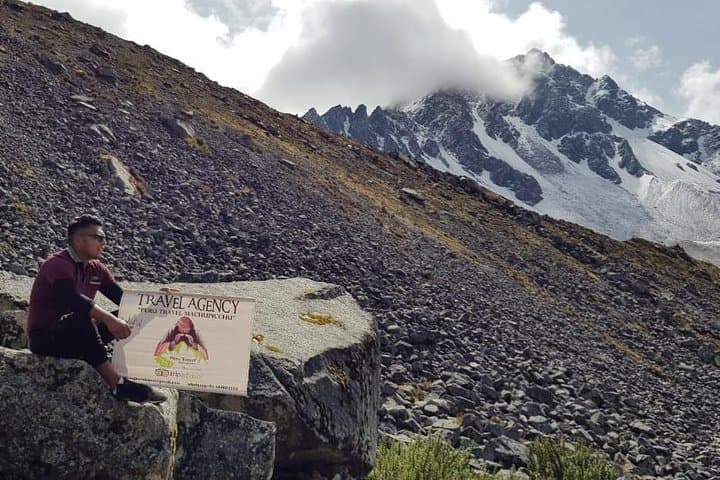
Pre-dawn in Cusco feels purposeful: vans pull out at 4 a.m., headlights cutting a ribbon through valley fog while riders sip coca tea against the cold. By midmorning the trail begins at Marcosapa (≈3,700 m), and the landscape tightens — wind-polished moraine, glaciers watching from above, and a thin air that sorts out pace and breath.
Verified experiences and guided adventures in the surrounding area.
Operated by Linda Tours · Cusco, Cusco
Pre-dawn in Cusco feels purposeful: vans pull out at 4 a.m., headlights cutting a ribbon through valley fog while riders sip coca tea against the cold. By midmorning the trail begins at Marcosapa (≈3,700 m), and the landscape tightens — wind-polished moraine, glaciers watching from above, and a thin air that sorts out pace and breath.
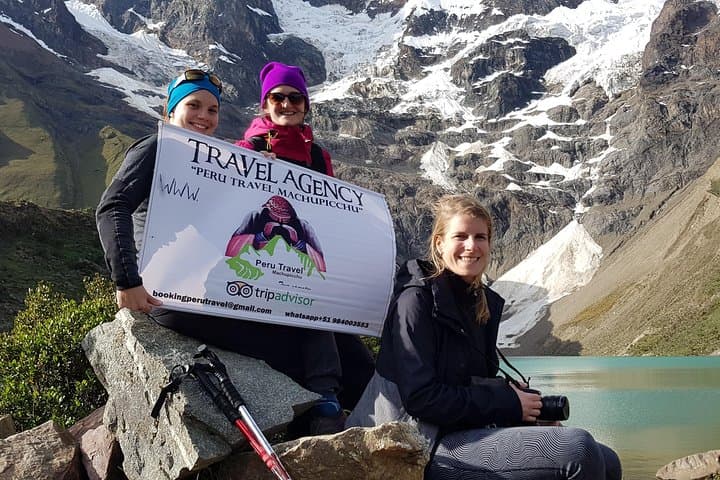
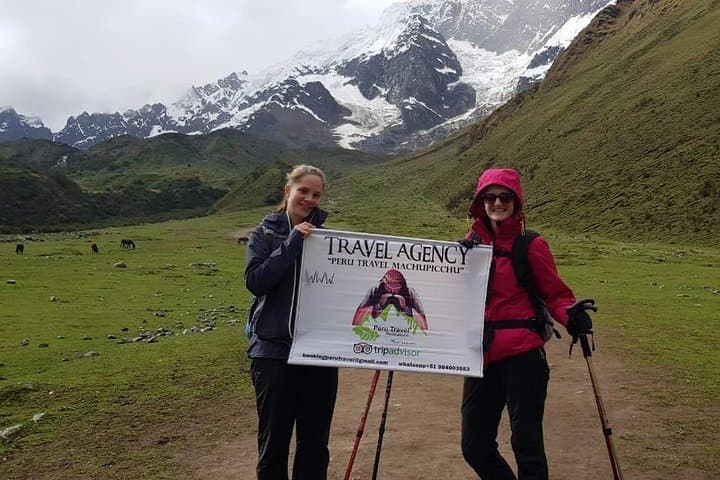
This itinerary follows the classic Salkantay corridor: Soraypampa camp (3,900 m) with the option to walk to Laguna Humantay (about 3 hours round-trip), climb to the Salkantay Pass at roughly 4,600 m on day two (around 9 hours of hiking that day), then descend through cloud forest to Colpapampa (2,700 m) and Lucmabamba before reaching Llactapata viewpoint and the hydroelectric track into Aguas Calientes. Geology here is recent and raw — granite and glacial cirques carved by the Cordillera Vilcabamba, giving way to humid slopes that feed the Urubamba watershed. Culturally, you move from highland Quechua communities into the Inca approaches to Machu Picchu, with terraces and waystations visible at Llactapata.
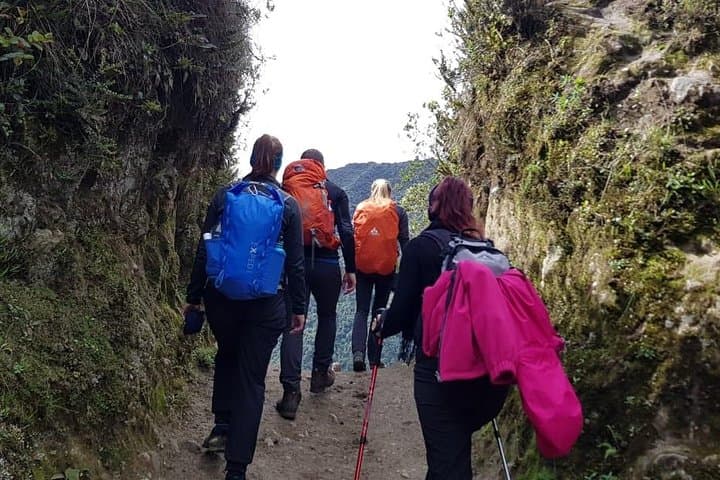
Practical guidance: plan 4–5 days, prioritize acclimatization in Cusco, and expect steep climbs, loose scree and muddy forest trails. Horses carry up to 5 kg of personal gear, but you should carry a daypack with layers, at least 2–3 L water, and snacks. Machu Picchu entrance, bus and train are not included — secure tickets in advance if possible. Timing your trek for the dry season (May–Sept) reduces landslide risk and improves visibility. Pack for rapid weather shifts and respect altitude: the mountain moves fast, and you should move slower.
challenging.
5 days.
Suitable for hikers with good aerobic fitness and prior multi-day trekking experience; must tolerate long ascents and high altitude.
No — the itinerary excludes the Machu Picchu entrance, the bus and the return train; you must purchase the ticket independently.
Significantly — you reach about 4,600 m at the Salkantay Pass; acclimatization in Cusco and conservative pacing are essential.
Horses carry up to 5 kg of personal items during the first three days; you should bring a small daypack for essentials.
May through September (dry season) offers the most stable conditions and best visibility, though nights are colder.
The Salkantay corridor was a high-altitude route linked to Inca networks; Llactapata contains Inca agricultural terraces and a vantage that appears on classic approaches to Machu Picchu.
Trails pass fragile alpine and cloud-forest ecosystems; stick to established campsites, pack out waste, and follow local guidelines to reduce trail impact.
Linda Tours operates guided outdoor trips and adventures with an emphasis on safety, stewardship, and memorable experiences.
Pre-dawn in Cusco feels purposeful: vans pull out at 4 a.m., headlights cutting a ribbon through valley fog while riders sip coca tea against the cold. By midmorning the trail begins at Marcosapa (≈3,700 m), and the landscape tightens — wind-polished moraine, glaciers watching from above, and a thin air that sorts out pace and breath.
Pre-dawn in Cusco feels purposeful: vans pull out at 4 a.m., headlights cutting a ribbon through valley fog while riders sip coca tea against the cold. By midmorning the trail begins at Marcosapa (≈3,700 m), and the landscape tightens — wind-polished moraine, glaciers watching from above, and a thin air that sorts out pace and breath.
This itinerary follows the classic Salkantay corridor: Soraypampa camp (3,900 m) with the option to walk to Laguna Humantay (about 3 hours round-trip), climb to the Salkantay Pass at roughly 4,600 m on day two (around 9 hours of hiking that day), then descend through cloud forest to Colpapampa (2,700 m) and Lucmabamba before reaching Llactapata viewpoint and the hydroelectric track into Aguas Calientes. Geology here is recent and raw — granite and glacial cirques carved by the Cordillera Vilcabamba, giving way to humid slopes that feed the Urubamba watershed. Culturally, you move from highland Quechua communities into the Inca approaches to Machu Picchu, with terraces and waystations visible at Llactapata.
Practical guidance: plan 4–5 days, prioritize acclimatization in Cusco, and expect steep climbs, loose scree and muddy forest trails. Horses carry up to 5 kg of personal gear, but you should carry a daypack with layers, at least 2–3 L water, and snacks. Machu Picchu entrance, bus and train are not included — secure tickets in advance if possible. Timing your trek for the dry season (May–Sept) reduces landslide risk and improves visibility. Pack for rapid weather shifts and respect altitude: the mountain moves fast, and you should move slower.