THE ADVENTURE COLLECTIVE® · Independent discovery and booking for outdoor travel

A five‑day crossing from Salkantay’s frozen pass into the cloud forest that arrives at Machu Picchu. Expect big altitude gains, changing ecosystems and remote campsites with expert logistics.
A five‑day crossing from Salkantay’s frozen pass into the cloud forest that arrives at Machu Picchu. Expect big altitude gains, changing ecosystems and remote campsites with expert logistics.
You stand before a skyline of knives and ice — Salkantay’s jagged shoulder cutting the early light — then, within hours, step into a steaming wash of orchids and hummingbirds. The 5‑day Salkantay Trek is that gradient in physical form: from high alpine passes and glacial peeks to humid cloud forest trails that open onto the Urubamba valley and, finally, Machu Picchu.
Verified experiences and guided adventures in the surrounding area.
Operated by Peru Amazon Trips · Cusco, Cusco
You stand before a skyline of knives and ice — Salkantay’s jagged shoulder cutting the early light — then, within hours, step into a steaming wash of orchids and hummingbirds. The 5‑day Salkantay Trek is that gradient in physical form: from high alpine passes and glacial peeks to humid cloud forest trails that open onto the Urubamba valley and, finally, Machu Picchu.
Geology and history are written into the slopes. The Cordillera Vilcabamba carries granitic ridgelines and glacial cirques formed over millennia; the Incas later threaded pathways through those contours and used high sites for astronomical observation. Hiram Bingham’s early 20th‑century explorations retraced many of these routes, revealing ruins such as Llactapata that watch over Machu Picchu from across the valley.
Local culture remains active along the route: small Quechua communities farm coffee, corn and fruits in terraces, and traditional offerings to Pachamama (mother earth) still mark key camps. Wildlife shifts with altitude — condors and highland deer give way to cock‑of‑the‑rock and tropical birds lower down.
Practical guidance: plan for altitude — the route tops out near 4,600–4,650 m — and schedule two full acclimatization days in Cusco beforehand if possible. Expect varied trail surfaces: rocky switchbacks, narrow singletrack and muddy jungle paths. Daily distances average 8–16 km with significant elevation change; carry layered clothing, a warm sleeping system, and at least 2–3 liters of water per day. Travel in a guided group if you’re unfamiliar with high‑altitude trekking — guides handle camping logistics, permits and train transfers from Aguas Calientes to Ollantaytambo, leaving you to focus on the landscape and the hike ahead.
challenging.
5 days.
Good aerobic fitness and prior multi‑day hiking experience recommended; ability to hike 6–10 hours on steep terrain at altitude.
Salkantay is generally longer, higher and more remote than the classic Inca Trail — expect more elevation gain, fewer crowds and a wider range of ecosystems.
Yes — entrance to Machu Picchu is included by most operators but must be purchased and time‑slot controlled; confirm your guide has secured your ticket.
No — guided groups provide tents, cooking staff and hot meals; basic comfort is handled, but you should be comfortable sleeping outdoors and carrying a daypack.
Acclimatize slowly, stay hydrated, avoid alcohol, consider coca tea and discuss acetazolamide with your doctor if you’ve had altitude issues before.
The route follows ancient Andean corridors used by pre‑Inca and Inca communities; later explorers like Hiram Bingham used Valle Sagrado approaches to rediscover Machu Picchu.
Trail impact is monitored and many operators follow leave‑no‑trace practices; avoid single‑use plastics, use biodegradable soaps and respect local farming lands to limit your footprint.
Peru Amazon Trips operates guided outdoor trips and adventures with an emphasis on safety, stewardship, and memorable experiences.
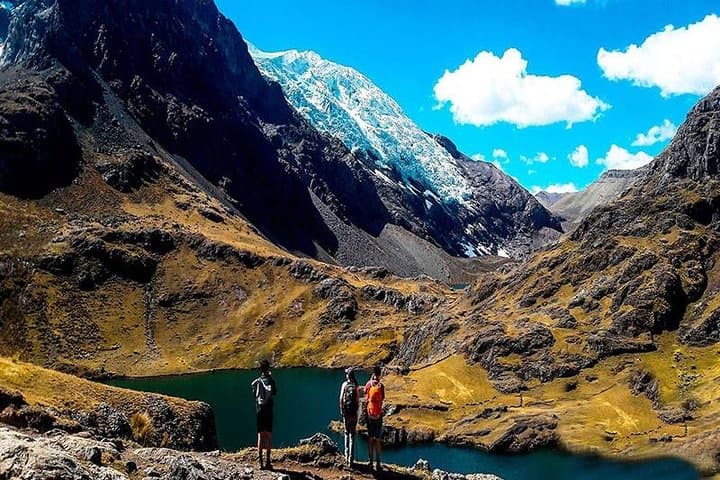
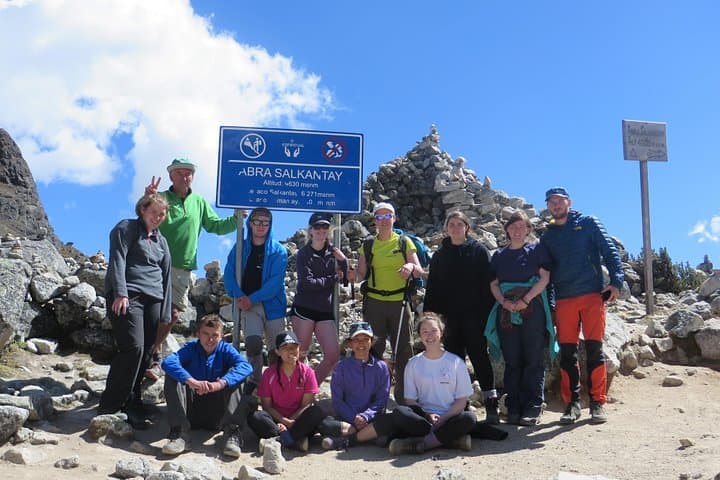
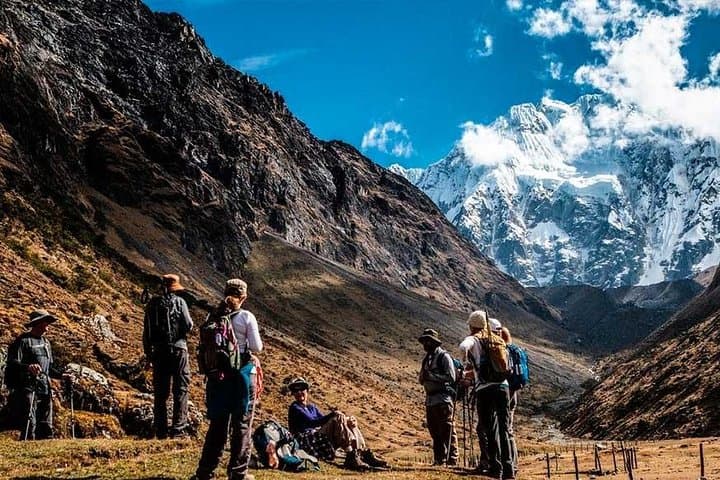
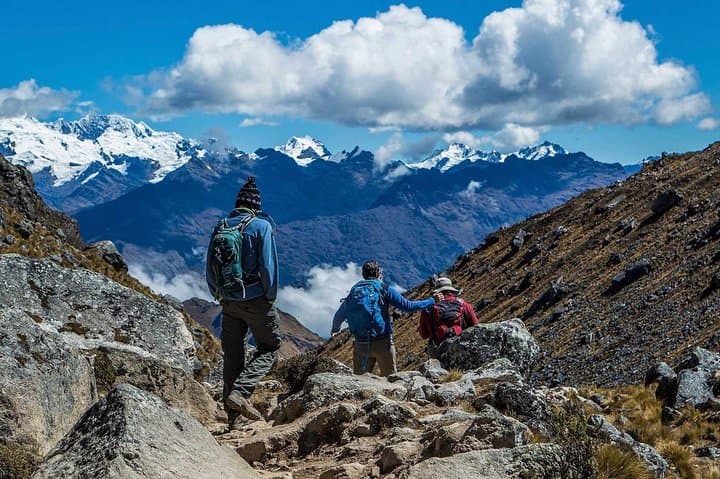
You stand before a skyline of knives and ice — Salkantay’s jagged shoulder cutting the early light — then, within hours, step into a steaming wash of orchids and hummingbirds. The 5‑day Salkantay Trek is that gradient in physical form: from high alpine passes and glacial peeks to humid cloud forest trails that open onto the Urubamba valley and, finally, Machu Picchu.
You stand before a skyline of knives and ice — Salkantay’s jagged shoulder cutting the early light — then, within hours, step into a steaming wash of orchids and hummingbirds. The 5‑day Salkantay Trek is that gradient in physical form: from high alpine passes and glacial peeks to humid cloud forest trails that open onto the Urubamba valley and, finally, Machu Picchu.
Geology and history are written into the slopes. The Cordillera Vilcabamba carries granitic ridgelines and glacial cirques formed over millennia; the Incas later threaded pathways through those contours and used high sites for astronomical observation. Hiram Bingham’s early 20th‑century explorations retraced many of these routes, revealing ruins such as Llactapata that watch over Machu Picchu from across the valley.
Local culture remains active along the route: small Quechua communities farm coffee, corn and fruits in terraces, and traditional offerings to Pachamama (mother earth) still mark key camps. Wildlife shifts with altitude — condors and highland deer give way to cock‑of‑the‑rock and tropical birds lower down.
Practical guidance: plan for altitude — the route tops out near 4,600–4,650 m — and schedule two full acclimatization days in Cusco beforehand if possible. Expect varied trail surfaces: rocky switchbacks, narrow singletrack and muddy jungle paths. Daily distances average 8–16 km with significant elevation change; carry layered clothing, a warm sleeping system, and at least 2–3 liters of water per day. Travel in a guided group if you’re unfamiliar with high‑altitude trekking — guides handle camping logistics, permits and train transfers from Aguas Calientes to Ollantaytambo, leaving you to focus on the landscape and the hike ahead.